Chapters (102)
- Front Cover
- Title Page
- Copyright
- Contents
- 1942
- Chapter 1
- Chapter 2
- Chapter 3
- Chapter 4
- Chapter 5
- Chapter 6
- Chapter 7
- 1928
- Chapter 8
- Chapter 9
- Chapter 10
- Chapter 11
- Chapter 12
- Chapter 13
- Chapter 14
- Chapter 15
- Chapter 16
- Chapter 17
- Chapter 18
- Chapter 19
- Chapter 20
- Chapter 21
- Chapter 22
- Chapter 23
- Chapter 24
- Chapter 25
- Chapter 26
- 1943
- Chapter 27
- Chapter 28
- Chapter 29
- Chapter 30
- Chapter 31
- Chapter 32
- Chapter 33
- Chapter 34
- Chapter 35
- Chapter 36
- Chapter 37
- Chapter 38
- Chapter 39
- Chapter 40
- Chapter 41
- Chapter 42
- Chapter 43
- Chapter 44
- Chapter 45
- Chapter 46
- Chapter 47
- Chapter 48
- Chapter 49
- Chapter 50
- Chapter 51
- Chapter 52
- Chapter 53
- Chapter 54
- Chapter 55
- Chapter 56
- Chapter 57
- Chapter 58
- Chapter 59
- Chapter 60
- Chapter 61
- Chapter 62
- Chapter 63
- Chapter 64
- Chapter 65
- Chapter 66
- Chapter 67
- Chapter 68
- Chapter 69
- Chapter 70
- Chapter 71
- Chapter 72
- Chapter 73
- Chapter 74
- Chapter 75
- Chapter 76
- Chapter 77
- Chapter 78
- Chapter 79
- Chapter 80
- Chapter 81
- Chapter 82
- Chapter 83
- Chapter 84
- Chapter 85
- Chapter 86
- Epilogue
- Author’s Note
- Recipes from Fenna
- Reading Group Guide
- Images from Fenna’s Journey
- Further Reading
- Acknowledgments
- About the Author
- Back Cover
© The Francis Frith Collection
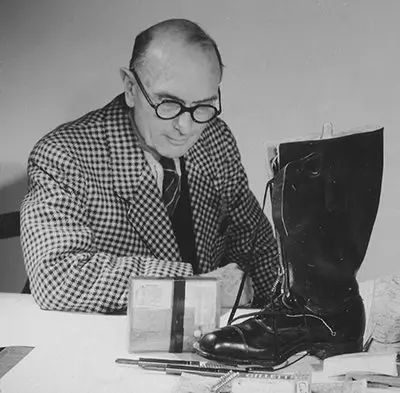
Christopher Clayton Hutton with his flying boots and other gadgets.
Courtesy of P. M. Froom Collection
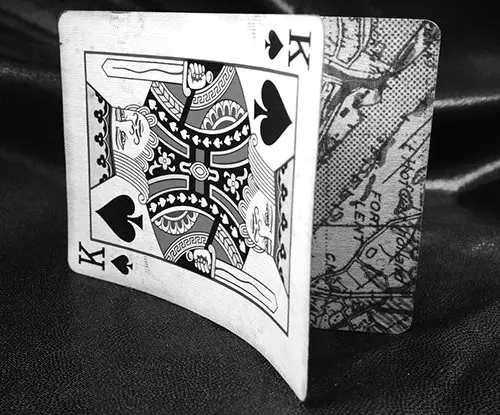
A reproduction of a typical MI9 “map deck” card used for smuggling to escapers and evaders during WWII.
Courtesy of Zachary Womack
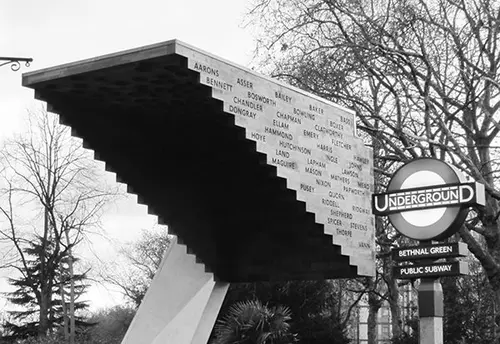
Memorial in London featuring names of the victims of the Bethnal Green Tube Disaster.
© Stairway to Heaven Memorial Trust, London, 2018
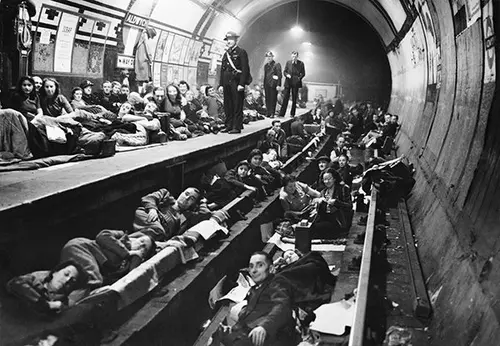
Londoners take shelter at Aldwych Tube Station during an air raid in 1940.
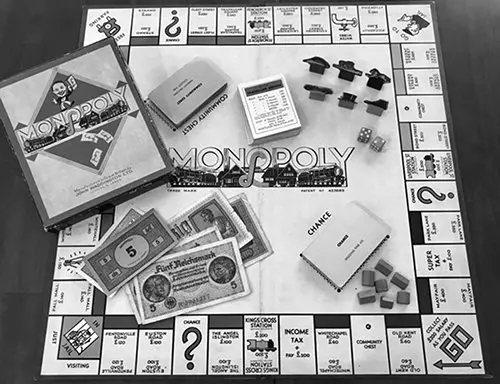
A WWII-era British Monopoly board with cardboard tokens (due to wartime supplies) and Reichsmarks, an example of currency often smuggled into POW camps by MI9.
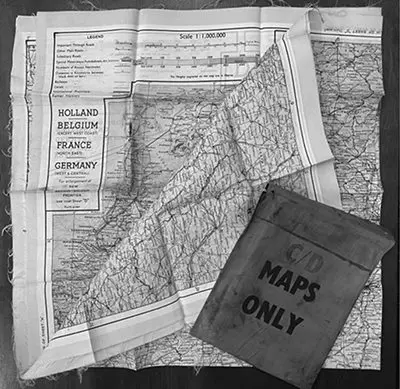
A WWII Allied military-issue silk map of Western Europe.
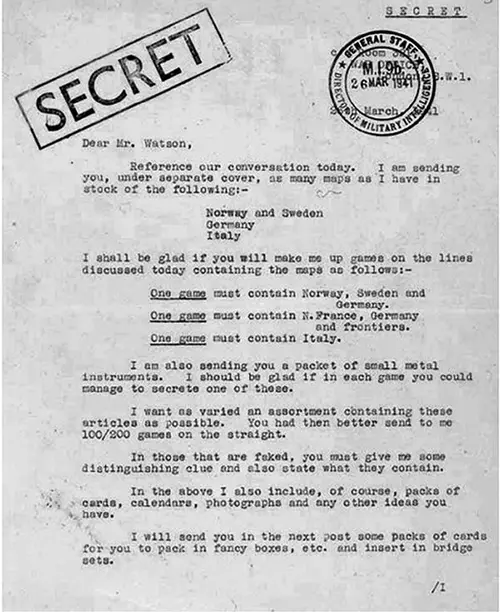
A memo sent by Christopher Hutton to Norman Watson at John Waddington Ltd., ordering Monopoly games that covertly include maps and other escape aids.
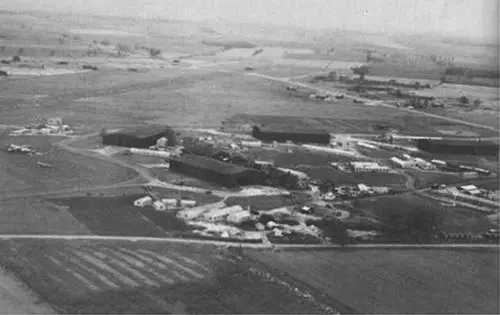
Barns, tractors, and even grazing cattle helped disguise RAF Tempsford, the secret WWII airfield used routinely for night-drop missions, as a farm to overflying enemy aircraft.
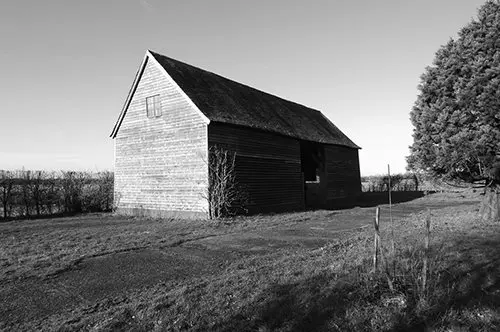
At the airfield that paraded as Gibraltar Farm, the barn in which agents were issued their kits and gear prior to their flights now serves as a memorial to honor their bravery.
© Adrian S. Pye, CC BY-SA 2.0
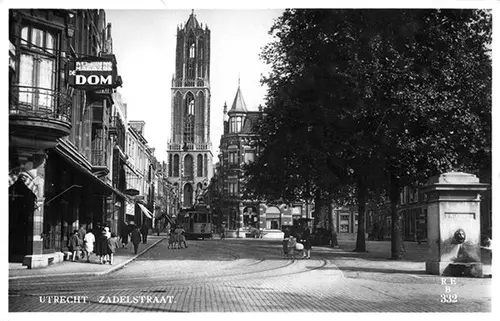
Domtoren (Dom Tower) and a tram viewed from Zadelstraat, the oldest paved shopping street in Utrecht.
Utrechts Archief, CC0
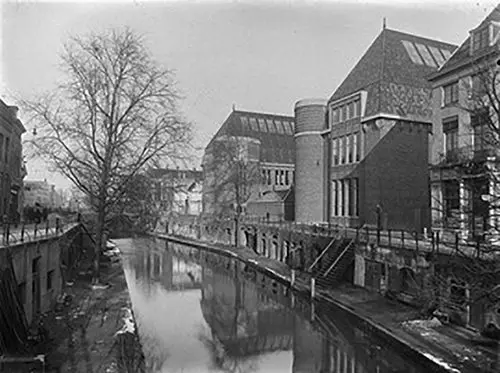
Oudegracht (”old canal”), the central canal that runs through Utrecht.
Rijksdienst voor het Cultureel Erfgoed, CC BY-SA 4.0
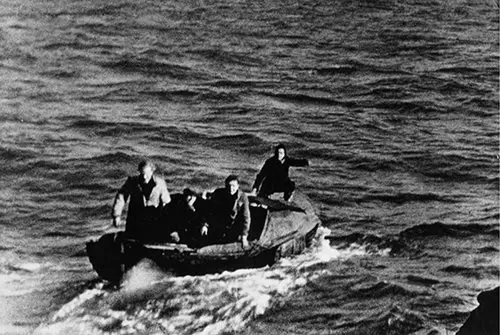
Engelandvaarders who escaped German-occupied Netherlands are rescued by RAF High Speed Rescue launch 185 on February 24, 1944.
Film shot by Captain A.J. Hardy of the 8th USAAF Bomber Command, CC BY 2.5
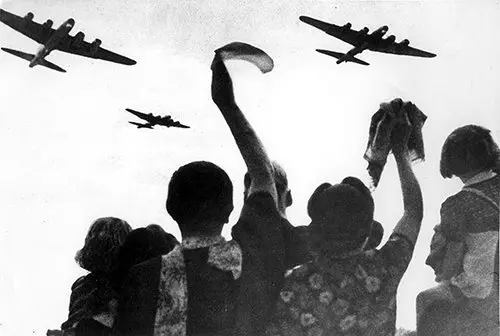
Liberated Dutch citizens wave to passing Allied aircraft in 1945.
Nationaal Archief
Further Reading
In addition to the books previously mentioned, here is a partial list of the many resources used for The Ways We Hide for readers interested in learning more about the story’s various topics.
For information about MI9 and its array of gadgets: MI9: Escape and Evasion 1939–1945 by M. R. D. Foot and J. M. Langley, Evasion & Escape Devices by Phil Froom, MI9 by Helen Fry, and Great Escapes by Barbara A. Bond.
Reads featuring RAF Tempsford airfield and WWII operative night drops: Tempsford Academy by Bernard O’Connor and the online article “Major Herbert R. Brucker, SF Pioneer” by Charles H. Briscoe (Veritas magazine).
For more about the history of Monopoly and its World War II use: The Game Makers by Philip E. Orbanes and The Monopolists by Mary Pilon.
For books recounting the tragic Italian Hall Disaster and its related strike: Death’s Door by Steve Lehto, We Are Many by Ella Reeve Bloor, and False Alarm by P. Germain.
For various Dutch accounts: Behind the Fireplace: Memoirs of a Girl Working in the Dutch Resistance by Andrew Scott and Grietje Okma Scott, Dutch in Michigan by Larry Ten Harmsel, and This Faithful Book: A Diary from WWII in the Netherlands by Madzy Brender à Brandis, translated by Marianne Brandis.