Chapters (102)
- Front Cover
- Title Page
- Copyright
- Contents
- 1942
- Chapter 1
- Chapter 2
- Chapter 3
- Chapter 4
- Chapter 5
- Chapter 6
- Chapter 7
- 1928
- Chapter 8
- Chapter 9
- Chapter 10
- Chapter 11
- Chapter 12
- Chapter 13
- Chapter 14
- Chapter 15
- Chapter 16
- Chapter 17
- Chapter 18
- Chapter 19
- Chapter 20
- Chapter 21
- Chapter 22
- Chapter 23
- Chapter 24
- Chapter 25
- Chapter 26
- 1943
- Chapter 27
- Chapter 28
- Chapter 29
- Chapter 30
- Chapter 31
- Chapter 32
- Chapter 33
- Chapter 34
- Chapter 35
- Chapter 36
- Chapter 37
- Chapter 38
- Chapter 39
- Chapter 40
- Chapter 41
- Chapter 42
- Chapter 43
- Chapter 44
- Chapter 45
- Chapter 46
- Chapter 47
- Chapter 48
- Chapter 49
- Chapter 50
- Chapter 51
- Chapter 52
- Chapter 53
- Chapter 54
- Chapter 55
- Chapter 56
- Chapter 57
- Chapter 58
- Chapter 59
- Chapter 60
- Chapter 61
- Chapter 62
- Chapter 63
- Chapter 64
- Chapter 65
- Chapter 66
- Chapter 67
- Chapter 68
- Chapter 69
- Chapter 70
- Chapter 71
- Chapter 72
- Chapter 73
- Chapter 74
- Chapter 75
- Chapter 76
- Chapter 77
- Chapter 78
- Chapter 79
- Chapter 80
- Chapter 81
- Chapter 82
- Chapter 83
- Chapter 84
- Chapter 85
- Chapter 86
- Epilogue
- Author’s Note
- Recipes from Fenna
- Reading Group Guide
- Images from Fenna’s Journey
- Further Reading
- Acknowledgments
- About the Author
- Back Cover
In a small bowl, thoroughly mix water and baking soda to create the invisible ink. With a small paintbrush or cotton swab, write a note with the solution on a piece of white paper. Allow to dry, typically 15 minutes. In a cup, create the reagent by combining rubbing alcohol and turmeric. (Apron recommended, as the solution can stain.) Atop layered newspapers to prevent discoloration of the surface beneath, paint over the sheet of white paper with the reagent and watch your message boldly and magically appear.
Reading Group Guide
1. Did your impression of the child on the cover change by the novel’s end? What about the title? Describe the various meanings it holds throughout the story.
2. From the Italian Hall Disaster and its parallel tragedy at Bethnal Green Station to the efforts of MI9, Houdini, and the Dutch Resistance, plus those of the Engelandvaarders, The Ways We Hide highlights myriad stunning pieces of history. Which among them fascinated and/or surprised you most?
3. Love, loss, family, and sacrifice are major themes of the novel and the driving force behind many of Fenna’s and Arie’s actions. Did you largely agree or disagree with Fenna’s decisions? What about Arie’s?
4. Several objects throughout the story—including the toy train, buttons, and, most frequently, a ball of string—help forge lasting bonds between characters. Which item was your favorite? Likewise, which possessions in your own life carry deep sentimental value given their link to a person or relationship?
5. Were you familiar with MI9 prior to reading this book? Which gadgets did you enjoy learning about most?
6. From Fenna’s childhood, the stampede on Christmas Eve contributed significantly to shaping her life, even decades later. What childhood experience(s) most altered your own life? Were there resulting obstacles you later learned to overcome?
Images from Fenna’s Journey
Although Fenna Vos is a fictional character, many elements of her story were inspired by actual events, locations, people, and more. These chronological images from her life offer a visual glimpse of the many ups and downs of her journey.
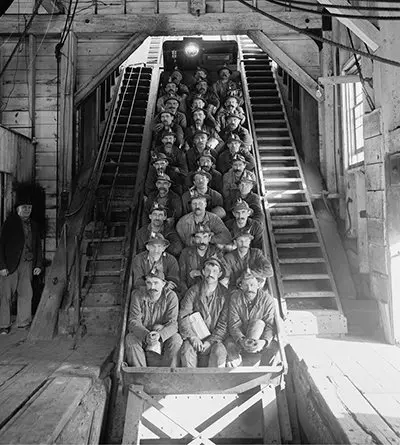
Miners in Calumet and Hecla Mine shaft No. 2 in Calumet, Houghton County, Michigan.
Detroit Publishing Co. Collection, Library of Congress
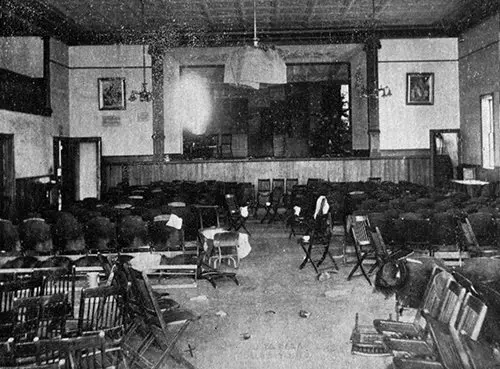
Inside the Italian Hall the morning after the 1913 Christmas Eve tragedy.
Michigan Tech University Archives and Copper Country Historical Collections
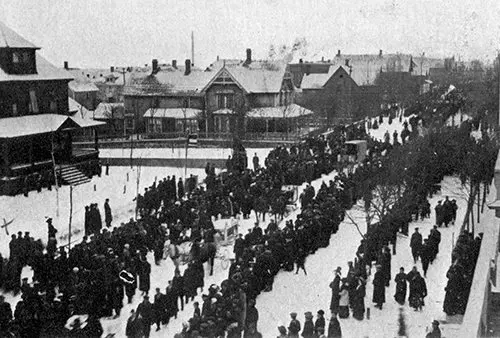
Thousands line the road at a funeral procession for victims of the Italian Hall Disaster in Calumet, Michigan.
Michigan Tech University Archives and Copper Country Historical Collections
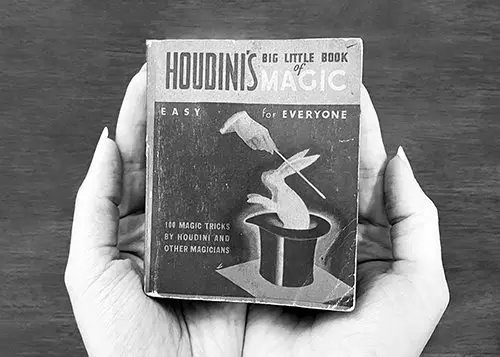
An original pocket-size edition of Houdini’s Big Little Book of Magic.
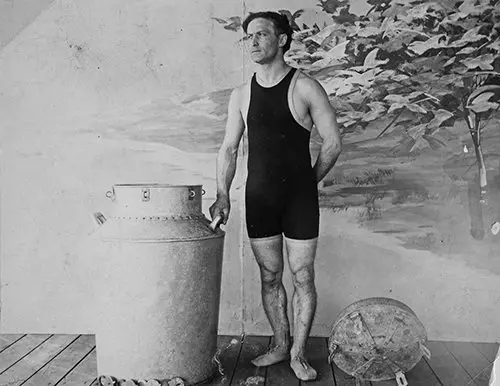
In 1908, Houdini prepares for his famed Milk Can Escape, which later inspires many escapologists (like Fenna and Charles) to attempt the same.
Photograph by Bill Orcutt, courtesy of HoudiniRevealed.com
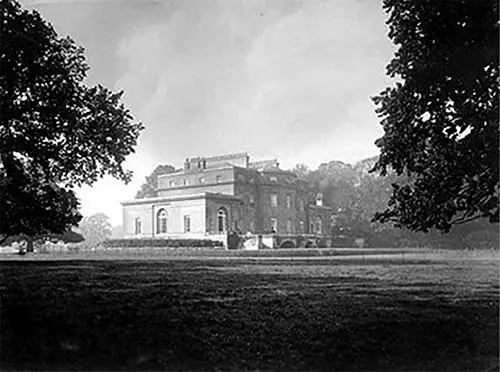
On the Wilton Park estate, the mansion dubbed the “White House” served briefly as MI9 headquarters, then continued to host its highly classified work throughout the war.
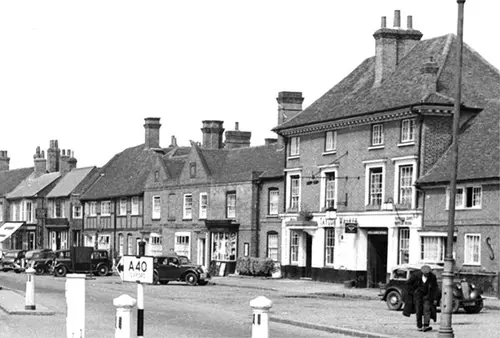
The George Hotel on Wycombe End in Beaconsfield often boarded military visitors of nearby Wilton Park.