Chapters (251)
- COVER
- DEDICATION
- EPIGRAPH
- MAP
- A NOTE FROM THE AUTHOR
- ASANTE KINGDOM
- CHAPTER ONE
- THE STORYTELLER
- IN THE DREAM
- SCHOOLED
- OUR TEACHER
- ON A MISSION
- MY OLDER BROTHER
- LIGHT SENTENCE
- AMA
- AFTER SCHOOL
- WAITING FOR ME
- TAKEN
- WHERE I GO
- CONVERSATION WITH EBO
- TROUBLE
- AFTER LOSING
- CONVERSATION WITH KWASI
- PUNISHMENT
- GOLD DIGGER
- WHEN I WAS SMALLER
- WHEN MY FATHER RETURNS
- WE PLANTED YAMS
- THE KINGS FESTIVAL
- CHAPTER TWO
- THE BAMBARA TREATY
- DISPUTE
- AMA JUMPS
- MY COUSIN
- THE BATTLE
- A TALE OF TWO BOYS
- EULOGY
- I REMEMBER
- CONSEQUENCE
- CONVERSATION WITH MR. GOODLUCK PHILLIP
- JUST IN TIME
- THE BIG ROCK
- FINGERS FIRST
- DUSK
- CONVERSATION WITH KWASI
- CHAPTER THREE
- A MIDSUMMER NIGHT
- THINGS MY MAAME SAYS
- NANA MOSI SAYS
- AFTER WE FETCH THE WOOD
- THE BIG IDEA
- WHILE EVERYONE WAITS
- OWARE
- THE SILENT WAY
- CONVERSATION WITH MY GRANDFATHER
- SIGNALS
- IN THE SHADE
- WHEN EBO ARRIVES
- UNDER OUR BREATH
- CELEBRATION
- FACE-OFF
- REVERSAL
- WHILE WE WAIT
- AMA
- CONVERSATION WITH AMA
- NAMES
- THE DUEL
- CONVERSATION WITH EBO
- THE PROCESSION
- LEGEND
- UNMATCHED
- TAKEDOWN
- CONGRATULATIONS
- BONSU VS. YAW
- KWASI SAYS
- DOOM
- INJURED
- KWASI VS. PRINCE YAW
- HUMILITY
- LAST MAN STANDING
- COLLAPSE
- CHAPTER FOUR
- THE DAY FOLLOWING
- REMORSE
- THERE IS NO COMFORT
- ADJOURNED
- THE DECISION
- THE ACCUSATIONS
- HOPE
- HENRY VI, PART 3
- GATHERING
- BACK TO SCHOOL
- AFTER MORNING ASSEMBLY
- CHITCHAT
- LITTLE KOFI
- AFTER LESSONS
- HIDDEN
- CONVERSATION
- LOOK WHAT I CAUGHT
- THE FLOW
- THE SUN IS BLUE
- TRANSLATION
- CHAPTER FIVE
- BREAK
- CONVERSATION
- A HISTORY
- RED RED STEW
- DURING RECESS
- SECOND THOUGHTS
- AND THEN I SEE AMA
- IN MY DREAM
- THE NEXT DAY
- THE FISH KICK
- MANHOOD
- RIVER RUN
- CONVERSATION WITH AMA
- CAPTIVATED
- SMITTEN
- RESURRECTION
- CONVERSATION WITH KWASI
- HALF-MOON
- CONVERSATION CONTINUED
- GAME OVER
- THE WOODS
- WHY ARE YOU STOPPING?
- READY. SET. KO!
- ON LAP AFTER LAP
- CALLING
- HIDING
- SEARCHING
- STILL SEARCHING
- NOWHERE
- I WISH
- ALARM
- THE FIRST THREE BLASTS
- HERE IN THE DARK
- THIS
- BIG TROUBLE
- CHAPTER SIX
- THUNDER
- GROUNDED
- DETAINED
- THE DRUNKEN LAUGHTER
- VISION
- FOOD COMES
- MEMORIES
- IN THIS DREAM
- IN THE BACK
- CONVERSATION WITH THE SMALL-SMALL BOY
- WAKE UP!
- CARVED
- THE SLOW WALK
- REVELATION
- FORTRESS
- THE TRIAL
- THE GOLD
- SENTENCE
- ATTACK
- POSSESSED
- THE RAIN DOES NOT FALL
- THE FIGHT
- GET UP
- IN THIS DREAM
- I THINK PAIN
- OUTCRY
- LATER ON
- A SOOTHING MEMORY
- I SWALLOW
- SOUNDS I HEAR
- WHAT I BELIEVE
- ALARMED
- THERE WILL BE NO CELEBRATION
- AS WE SINGLE FILE
- NIGHTFALL
- FREEDOM
- THE REMEMBERING
- THERE WAS EVEN A TIME
- FULL MOON
- RESCUE
- FEAR
- TRAILING
- ESCAPE
- CONVERSATION
- I HEAR SHOUTING
- TRAPPED
- CONVERSATION WITH THE CAPTORS
- CONSEQUENCE
- WELCOME
- AT THE CASTLE ENTRANCE
- TWO VERY TALL MEN
- THE WONDERFULS
- THE TRANSACTION
- STRENGTH
- THE GOVERNOR
- AFTER THE EXAMINATION
- DUNGEON
- DIZZINESS
- IN THIS DREAM
- CONVERSATION WITH THE DARK LADY
- GRAVE TROUBLE
- INTRODUCTION
- DISTRACTION
- THE HEALING
- NIMDEE
- OWU BURIES
- MY PEOPLE
- WHILE OTHERS COMFORT THEMSELVES
- QUESTIONS
- ANSWERS
- CHAPTER SEVEN
- CHAOS
- REST IN PEACE
- LEAVING
- TERROR
- WE ARE FORCED
- FLYING HOME
- AHEAD
- THE UNLOADING
- A ROPE LADDER
- HEAD COUNT
- TO THE WHITE FACES
- DAY ONE
- NIGHT TWO
- DAY THREE
- NIGHT SEVEN
- CONVERSATION WITH AFUA
- A PRAISE SONG
- NIGHT EIGHT
- DAY ELEVEN
- NIGHT NINETEEN
- IN THIS DREAM
- WHEN I WAKE
- THINGS HAVE COME TO THIS
- DAY TWENTY-THREE
- STAND TALL
- SONG OF FLIGHT
- NIGHT TWENTY-SEVEN
- MUTINY
- AND WHAT AM I SUPPOSED TO DO
- I NO LONGER COUNT THE DAYS
- BATTEN DOWN
- WRECKED
- THE SEA IS A RAGING MONSTER
- SHATTERED
- WRATH AND FURY
- CLIMBING THE SKY
- KINDRED
- ACKNOWLEDGMENTS
- TWI GLOSSARY
- ADINKRA SYMBOLS
- LOCATIONS USED IN THE DOOR OF NO RETURN
Dunwõtwe is the number eighteen. The actual Twi spelling is dunwɔtwe.
Ei is pronounced ey and connotes the utterance “eh” or “whoa,” depending on the context.
Ekutu means “orange,” as in the fruit. But it’s not Twi. It’s actually a word spoken in the Fante language, which is from the Fante people, who are prominent on the coast of Ghana.
Ete sen is a traditional greeting for when you first see someone. It means “How are you?” The actual Twi spelling is  te sɛn.
Kenkey is a West African dish similar to dumplings, usually served with pepper sauce and fried fish or soup.
Kente is a type of silk and cotton fabric made of colorful, interwoven cloth strips. Formerly only worn by royalty, kente cloth is worn today by many people, who regard it as a symbol of African pride and dignity.
Kokoduru is my abbreviation of the phrase koko yɛ duru, which means “to be brave.” I use it here as a way of declaring “I got this” or “You got this.”
Komm means “quiet” or “silence.”
Maame is “mother” or “mommy.”
Medase means “Thank you.”
Me din de means “My name is” and is used to introduce yourself.
Me ko is spelled Me kɔ and means “I go” or “I gotta go” or, as I understand it, “I’m outta here.”
Nana is a gender-neutral title representing the highest office in society. It is also a term used to denote “grandmother,” “grandfather,” or “elder.”
Ose yie is an Asante war chant I found on one of the great crooner/activist Harry Belafonte’s old albums.
Red Red is a Ghanaian dish (like Kofi, my absolute, hands-down favorite) comprised of black-eyed peas. The dish derives its name from the color it takes on from the red palm oil in which it’s cooked (and the fried plantain sometimes served with it).
Wahala means “trouble.”
Ye ko is spelled Ye kɔ and means “Let’s go” or “We go” or, as I sometimes say, “We’re outta here.”
ADINKRA SYMBOLS
(In Order of Appearance)
I placed these symbols at the beginning of each section to foreshadow what’s about to happen. Used for hundreds of years by Ghanaians, Adinkra symbols capture the history, way of life, and philosophy of the Asante people. Their representations and meanings are linked to fables and are used to bestow wisdom and knowledge. They are popular on fabrics, pottery, buildings, and crafts and as tattoos.
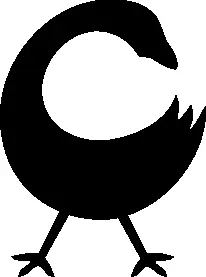
Sankofa is portrayed by a mythical bird turning its head backward to eat a precious egg. The symbol means that we should remember and learn from the past to make positive progress in the future. The literal translation is “to retrieve.”
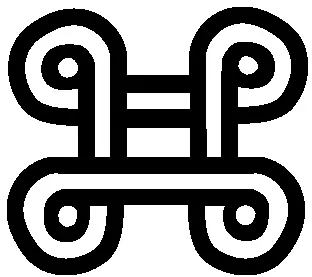
Mpatapo represents the bond or knot that binds parties in a dispute to a peaceful, harmonious reconciliation. It is a symbol of peacemaking after strife.