Chapters (56)
- PROLOGUE: KERRICK
- Title Page
- CHAPTER ONE
- CHAPTER TWO
- CHAPTER THREE
- CHAPTER FOUR
- CHAPTER FIVE
- CHAPTER SIX
- CHAPTER SEVEN
- CHAPTER EIGHT
- CHAPTER NINE
- CHAPTER TEN
- CHAPTER ELEVEN
- CHAPTER TWELVE
- CHAPTER THIRTEEN
- CHAPTER FOURTEEN
- CHAPTER FIFTEEN
- CHAPTER SIXTEEN
- CHAPTER SEVENTEEN
- CHAPTER EIGHTEEN
- CHAPTER NINETEEN
- CHAPTER TWENTY
- CHAPTER TWENTY-ONE
- CHAPTER TWENTY-TWO
- CHAPTER TWENTY-THREE
- CHAPTER TWENTY-FOUR
- CHAPTER TWENTY-FIVE
- CHAPTER TWENTY-SIX
- CHAPTER TWENTY-SEVEN
- CHAPTER TWENTY-EIGHT
- CHAPTER TWENTY-NINE
- CHAPTER THIRTY
- CHAPTER THIRTY-ONE
- CHAPTER THIRTY-TWO
- CHAPTER THIRTY-THREE
- CHAPTER THIRTY-FOUR
- CHAPTER THIRTY-FIVE
- CHAPTER THIRTY-SIX
- CHAPTER THIRTY-SEVEN
- CHAPTER THIRTY-EIGHT
- CHAPTER THIRTY-NINE
- CHAPTER FORTY
- CHAPTER FORTY-ONE
- CHAPTER FORTY-TWO
- CHAPTER FORTY-THREE
- CHAPTER FORTY-FOUR
- CHAPTER FORTY-FIVE
- THE WORLDWEST OF EDEN
- THE YILANÈ
- THE TANU
- THE PARAMUTAN
- DICTIONARIES
- ZOOLOGY
- ACKNOWLEDGMENTS
- ABOUT THE AUTHOR
- About this Title
takugu: see
tingava: intercouse
AFFIXES
-adluinar: completely
-eetchuk: long ago
-guaq: inferior
-kaq: small
-luarpoq: too much
-qaq: quick
-taq: new-caught
-tamnagok: then, now, soon
ZOOLOGY
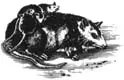
BANSEMNILLA
(Metatheria: Didelphys dimidiata)
A reddish-gray marsupial with three deep black bands down its back. It has a prehensile tail and opposable toes on its hind feet. It is carnivorous, favoring rats and mice, and is bred by the Sasku to eliminate these vermin from their corncribs.
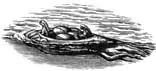
BOAT
(Cephalopoda: Archeololigo olcostephanus mutatus)
Yilanè surface water transport. Propulsion is obtained by a strong jet of water expelled to the stern. The creatures have only rudimentary intelligence like their ancestral squids, but can be trained to follow certain simple commands.

CLOAK
(Selachii: Elasmobranchus kappa mutatus)
Used by the Yilanè for warmth during the night or inclement weather. These creatures have absolutely no intelligence, but if they are well fed they will maintain a body temperature of approximately 102 degrees F.
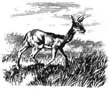
DEER
(Eutheria: Cervus mazama mazama)
A small deer with antlers as unbranched spikes. It is found in great numbers in the North Temperate Zone. The Tanu value these creatures both for their meat and their skins. The hides are tanned to make clothing and small leather articles (e.g. moccasins [madrap] and bags).
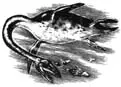
ENTEESENAT
(Sauropterygia: Elasamosaurus plesiosaurus)
A predaceous marine reptile well adapted to pelagic life and relatively unchanged since the Cretaceous period. They have small short heads and long snakelike necks. The paddlelike flippers are similar to those of the marine turtle. Newer varieties have been developed with greater cranial capacity that enable them to be trained to supply food for the larger uruketo (Icthyosaurus monstrosus mutatus).

EISEKOL
(Eutheria: Trichecbus latirostris mutatus)
An herbivorous aquatic mammal which dredges for underwater plants in its original unaltered state. Gene manipulation has greatly increased the animal’s size so that it can be utilized for underwater channel clearing, as well as dredging.

ELINOU
(Saurischia: Coelurosaurus compsognathus)
A small and agile dinosaur, much appreciated by the Yilanè for its pursuit and destruction of small mammalian vermin. Because of its colorful markings and complaisant nature it is often given the status of a pet.
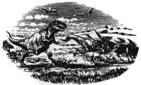
EPETRUK
(Saurischia: Tyrannosaurus rex)
The largest and most powerfully armed of the great carnosaurs. Over 40 feet long, the males weigh up to 7 tons. The forearms are small but strong. Because of its great weight it is quite slow, therefore attacks only the largest animals. A large amount of its diet is obtained by driving smaller carnivores from their kill.
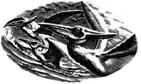
ESTEKEL*
(Pterosauria: Pterodactylus quetzalcoatlus)
The largest of the flying reptiles with a wingspan of over thirty feet. The bones are very light and strong, while the weight of the immense toothed beak is balanced by the bony outcrop on the back of the skull. They are found solely at the mouths of large rivers since they can only become airborne in locations such as this where large waves run counter to the prevailing winds.

GREATDEER
(Eutheria: Alces machlis gigas)