Chapters (94)
- Cover
- Dedication
- Epigraph
- Part I
- Chapter 1
- Chapter 2
- Chapter 3
- Chapter 4
- Chapter 5
- Chapter 6
- Chapter 7
- Chapter 8
- Chapter 9
- Chapter 10
- Chapter 11
- Chapter 12
- Chapter 13
- Chapter 14
- Chapter 15
- Chapter 16
- Part II
- Chapter 17
- Chapter 18
- Chapter 19
- Chapter 20
- Chapter 21
- Chapter 22
- Chapter 23
- Chapter 24
- Chapter 25
- Chapter 26
- Chapter 27
- Chapter 28
- Chapter 29
- Chapter 30
- Chapter 31
- Chapter 32
- Chapter 33
- Chapter 34
- Chapter 35
- Chapter 36
- Chapter 37
- Chapter 38
- Chapter 39
- Part III
- Chapter 40
- Chapter 41
- Chapter 42
- Chapter 43
- Chapter 44
- Chapter 45
- Chapter 46
- Chapter 47
- Chapter 48
- Chapter 49
- Chapter 50
- Chapter 51
- Chapter 52
- Chapter 53
- Chapter 54
- Chapter 55
- Chapter 56
- Chapter 57
- Chapter 58
- Chapter 59
- Chapter 60
- Chapter 61
- Chapter 62
- Chapter 63
- Chapter 64
- Chapter 65
- Chapter 66
- Chapter 67
- Chapter 68
- Chapter 69
- Chapter 70
- Chapter 71
- Chapter 72
- Chapter 73
- Chapter 74
- Chapter 75
- Chapter 76
- Chapter 77
- Chapter 78
- Chapter 79
- Chapter 80
- Chapter 81
- Chapter 82
- Chapter 83
- Chapter 84
- Acknowledgments
- About the Author
- Also by Jenny Colgan
- About the Publisher
Lissa waited for quite a while, but Anita did not return. Lissa knew she had six sessions of therapy and six only. That was two down already, and they didn’t quite seem to have gotten started yet. And the news that the trial would be soon, when she had assumed it would be months and months away, was very worrying. She checked Google, and sure enough the mayor’s office was trying to clamp down on youth crime in London by fast-tracking everything through the courts.
She sighed. That was very bad news indeed.
BUT LISSA DID that one thing. She muted her Facebook and Instagram accounts—leaving cheery messages to stop anyone from worrying about her—and removed herself from the conversation. She thought she would be lonely and miserable. In fact, instead—and with the occasional WhatsApp check-in from her good friends—she found it oddly freeing.
She didn’t really notice, but she started talking more to the locals, simply because she had no choice. Deirdre in the bakery; Mrs. Murray in the general store. And every day she’d swapped patient notes with Cormac, mostly brisk, but sometimes funny or odd. Irritatingly, he’d normally heard about anything that happened to her, including getting the car stuck up the dyke road, because apparently everybody knew you didn’t drive up the dyke road after a heavy rainstorm, but nobody had thought to mention it to her and it had taken half of Lennox’s lads to pull her out again. He’d also caught her up with how Mrs. Marks had switched to Turkish delight, believing it to be okay.
Seriously? Lissa had written back. Did you confiscate it like I told you?
Yes!
What did you do with it?
Nothing!
And then in the next email:
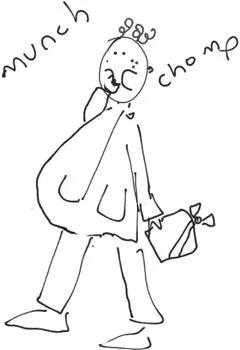
I am amazed, typed Lissa, that you had to become an NPL instead of a professional artist.
Me too, typed Cormac. An endless and disappointing loss to the art world.
What do people do on the weekend round here? typed Lissa. Have you got anything to do?
In fact, he did. There were people from Kirrinfief in London—not many, and it was his mother’s idea, which rarely boded well, as she didn’t speak to him that much. But on the other hand it was either that or literally nothing at all, sitting in one small room breathing bad air, so he’d said yes.
That’s very unfair, said Lissa. You have a ready-made social life in the greatest city in the world.
So do you. Just go down to the pub.
And make friends with wee Eck?
Well, that sounds like you already have.
Lissa signed off, and Cormac made a mental note that as put off as Jake had been before, it might be worth another shot. Meanwhile, he had the ordeal of a big London night to prepare for. He popped another piece of Turkish delight into his mouth and chewed thoughtfully.