Chapters (59)
- Conn Iggulden
- Contents
- About the Author
- Also by Conn Iggulden
- Dedication
- Maps
- Pronunciation
- Locations
- Characters
- Ten tribes of Athens
- Part One
- Part One
- 1
- 2
- 3
- 4
- 5
- 6
- 7
- 8
- 9
- 10
- Part Two
- Part Two
- 11
- 12
- 13
- 14
- 15
- 16
- 17
- 18
- 19
- 20
- 21
- Part Three
- Part Three
- 22
- 23
- 24
- 25
- 26
- 27
- 28
- 29
- 30
- 31
- 32
- Part Four
- Part Four
- 33
- 34
- 35
- 36
- 37
- 38
- Historical Note
- THIS IS JUST THE BEGINNING
- Copyright
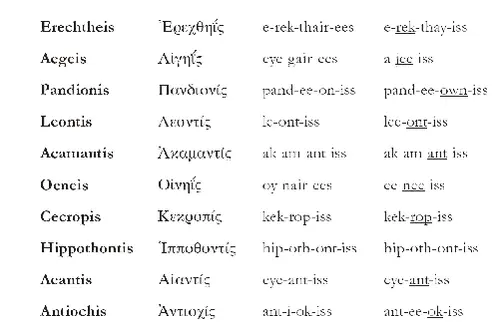
| Erechtheis | Ἐρεχθηΐς | e-rek-thair-ees | e-rek -thay-iss |
| Aegeis | Αἰγηΐς | eye-gair-ees | a-jee -iss |
| Pandionis | Πανδιονίς | pand-ee-on-iss | pand-ee-own -iss |
| Leontis | Λεοντίς | le-ont-iss | lee-ont -iss |
| Acamantis | Ἀκαμαντίς | ak-am-ant-iss | ak-am-ant -iss |
| Oeneis | Οἰνηΐς | oy-nair-ees | ee-nee -iss |
| Cecropis | Κεκροπίς | kek-rop-iss | kek-rop -iss |
| Hippothontis | Ἱπποθοντίς | hip-oth-ont-iss | hip-oth-ont -iss |
| Aeantis | Αἰαντίς | eye-ant-iss | eye-ant -iss |
| Antiochis | Ἀντιοχίς | ant-i-ok-iss | ant-ee-ok -iss |
Part One

Part One
‘There are no pacts between lions and men, nor do wolves and lambs make peace.’
– Homer, The Iliad
1
The king of Persia looked across the heart of Athens.
The sun was hot on the back of his neck, but a breeze blew, warm and gentle, carrying a smell of sweetness – of rot and the sea. Xerxes closed his eyes and breathed, feeling at peace. The great market, the temples, the streets of households, workshops and taverns – they were all abandoned. It was intimate, somehow. He felt as if he sat at a woman’s dressing table, opening every small drawer, learning her secrets.
The soldiers in that place were all his own. They had searched Athens from one end to the other, every storehouse, shop and empty home. The only Greeks within the walls had been half a dozen mindless ancients, left behind by their families. Toothless and blind, they had hissed incredulous, nervous laughter at the strange voices of Persian soldiers. Xerxes had no need of them. Like stray dogs, they had been killed quickly. It was almost a mercy.
General Mardonius walked three paces behind the Great King, deep in his own reverie. Both he and Xerxes had experienced a strange sort of recognition as they’d entered Athens. Places and natural features surfaced from a hundred old reports, suddenly made real. The Acropolis was one, the cliff of limestone that loomed on their left hand, sentinel for the whole city; or perhaps the pale Areopagus rock, where a council of Athenian noblemen had met for centuries.
Xerxes could see the Pnyx hill ahead, rising with trees like blades and white steps on its flanks. In normal times, the famous Assembly met and argued in that place, acknowledging no king or tyrant. He would have liked to see it, those men so busy with their little laws. Yet only the breeze blew there that day. The people of Athena’s city had gone down to the port, to be taken by ship across the deep water. Rather than suffer the predations of his army, rather than learn the consequences of their arrogance, they had run from him.