Chapters (26)
- Cover
- Title
- Dedication
- FOREWORD
- INTRODUCTION
- CHAPTER ONE
- CHAPTER TWO
- CHAPTER THREE
- CHAPTER FOUR
- MEET YOUR . . .
- MEET YOUR . . .
- MEET YOUR . . .
- MEET YOUR . . .
- MEET YOUR . . .
- MEET YOUR . . .
- MEET YOUR . . .
- MEET YOUR . . .
- MEET YOUR . . .
- MEET YOUR . . .
- CHAPTER FIVE
- CONCLUSION
- SOURCES
- DOGS IN THIS BOOK
- ACKNOWLEDGMENTS
- ABOUT THE AUTHOR
- Chronicle Ebooks
So when we talk about dogs, and we talk about biting, we are wise to get a little bit more pragmatic about the conversation all the way around. First and foremost: All dogs bite. It’s when and why, how hard and to what end, that matters. Second: Our breeding of dogs for a specific kind of biting (or simply continuing to breed dogs that were originally developed with a specific kind of bite in mind) can have ripple effects in significant ways. Dogs bred for retrieving and for a soft mouth can be neurotic about fetching, but may be less likely to deliver severe bites to a person or animal. Dogs bred for herding may be far more prone to nipping ankles. Dogs bred to grab rats and break their necks by shaking them with their mouth may be more dangerous to kittens. Dogs bred to hold on once they have bitten may be hard-pressed to let go, though they are less likely to bite in the first place. Such differences in biting between the genetic groups of dogs are not chosen by the animal exhibiting them, nor are they necessarily encouraged by a person’s neglect or abuse. In other words, a “bad dog” or a “bad owner” is not required in order to have all sorts of dog bites to deal with.
The conversation about dogs’ biting in a society highly concerned with the safety of its citizens would benefit from soliciting the research and insights of modern scientists. We have much to learn. Biting is complicated and must be treated as such if we are to partner successfully with dogs in our homes and communities.
Gun Dog Relationship Survival Key:
 Fulfill his GENETIC craving for partnership in adventure through games, sports, and outings.
- Create satisfactory experiences and exercise in the outdoor ENVIRONMENT so you can enjoy the indoors with him.
- Provide ongoing and higher education opportunities for him to satisfy his LEARNING potential.
- Recognize your part in creating a harmonious relationship with such an incredibly cooperative and adaptive companion—grab your hiking boots, mountain bike, or running shoes and get out there!

MEET YOUR . . .
Terrier
“A REAL GO-GETTER”
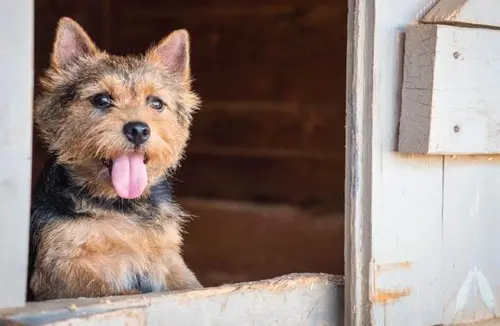
Norwich Terrier
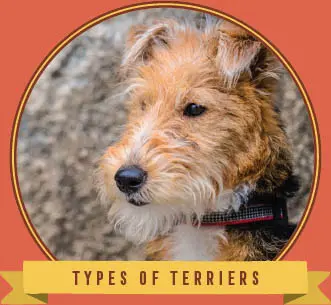
Wirehair Fox Terrier
Airedale Terrier • Australian Terrier • Border Terrier • Cairn Terrier • Fox Terrier • Irish Terrier • Jack Russell Terrier • Kerry Blue Terrier • Lakeland Terrier • Manchester Terrier • Miniature Schnauzer • Norfolk Terrier • Scottish Terrier • Sealyham Terrier • Skye Terrier • Welsh Terrier • West Highland Terrier • Wheaten Terrier • Yorkshire Terrier • mixes of any of the above breeds

 You’ll fall in love with your terrier because she’s:
DYNAMIC—She has a big, fun, bold, and witty personality.
INDEPENDENT—She isn’t particularly clingy and knows how to self-entertain.
ALWAYS READY—At the drop of a hat, she’s poised for action.
 You might find a terrier hard to live with because she’s:
GOT A ONE-TRACK MIND—When she sets her sights on something, you may be invisible to her.