Chapters (23)
- Cover
- Title Page
- Copyright
- Praise
- Animal Crackers
- Home Sweet Home
- Reasonable Terms
- Preservation
- Slim’s Last Ride
- Hit Man of the Year
- Talk Turkey
- How to Revitalize the Snake in your Life
- Gallus, Gallus
- Bloodworks
- Miss Waldron’s Red Colobus
- Dedication
- Acknowledgments
- A Note to the Reader
- By Hannah Tinti
- About the Author
- Excerpt from Twelve Lives of Samuel Hawley
- HAWLEY
- What’s next onyour reading list?
A large truck backs up to the pen. The tailgate is opened and a ramp slides out. Lulu watches as the groundsmen from the zoo begin to prepare her friends for loading. She tries to stand. She lifts her head and begins to feel dizzy. Her legs are shaking; she no longer remembers how to make them carry her away.
A golf cart appears. In it is the zookeeper, still in his hospital pajamas. Matilda drives. Puffing behind in a lopsided run are several rotund newspaper reporters—the last to abandon the free coffee and doughnuts are the first to break the story on the illegal giraffe market. The bulbs on their cameras send streaks through the darkness. There is a flash of Doë’s body covered with ropes. A flash of Francesco dazed and sedated. A flash of Lulu lying on her side. A flash of the groundsmen running away, their uniforms hazy reflections in the distance.
With the help of Matilda, the zookeeper steps out of the golf cart. He hesitates, not because he is afraid, but because he is embarrassed at being seen in his pajamas. Matilda realizes this and hands him the scarf she knitted in the hospital. He thanks her and pulls it across his shoulders.
The zookeeper walks over to where the giraffes are lying on the ground. He can hear them breathing. He crouches next to Lulu and tentatively touches the side of her neck. The hair is short and coarse; it feels like the welcome mat on his front porch at home. Lulu opens her eyes. She recognizes the zookeeper, and thinks she is having another vision. She remembers the metal wires connected to his chest, and the smell of the chemical darts surrounding him. How are you feeling, she tries to say, but instead her head turns, her mouth opens, and her long black tongue reaches out and strokes the zookeeper’s hand.
Preservation
preservation
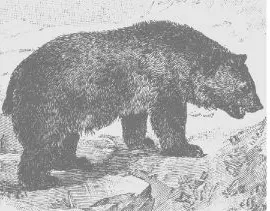
There is a family on the other side of the glass. Mary lifts her paintbrush and starts to wave, but of course they are looking at the lion, not at her. The stuffed animal’s teeth are bared, its claws digging into a plastic zebra leg, silicone foam drooling from the corner of its mouth. The daughter in the family, a small red-haired girl, flattens her nose next to the museum sign that says Pardon Our Appearance.
The father picks up the daughter and pantomimes throwing her into the lion’s den, which elicits screams that Mary cannot hear, followed by an animated reprimand from the mother, who is pushing a stroller with another child in it—a boy, Mary guesses, from the trucks on the sleeve of his shirt. Chastened, the father puts the girl down, straightens the shirt that has ridden up over her belly. Just as the family is moving on to the next exhibit, he sees Mary standing near the trees and frowns.