Chapters (45)
- TITLE PAGE
- ABOUT THE AUTHOR
- PART ONE: Who is She if Not Everyone Else’s?
- CHAPTER 1
- CHAPTER 2
- CHAPTER 3
- CHAPTER 4
- CHAPTER 5
- CHAPTER 6
- CHAPTER 7
- CHAPTER 8
- PART TWO: Take the Bullet Out
- CHAPTER 9
- CHAPTER 10
- CHAPTER 11
- CHAPTER 12
- CHAPTER 13
- CHAPTER 14
- CHAPTER 15
- CHAPTER 16
- CHAPTER 17
- CHAPTER 18
- CHAPTER 19
- CHAPTER 20
- CHAPTER 21
- CHAPTER 22
- CHAPTER 23
- CHAPTER 24
- CHAPTER 25
- CHAPTER 26
- CHAPTER 27
- CHAPTER 28
- PART THREE: Orion Waves
- CHAPTER 29
- CHAPTER 30
- CHAPTER 31
- CHAPTER 32
- CHAPTER 33
- CHAPTER 34
- CHAPTER 35
- CHAPTER 36
- CHAPTER 37
- ACKNOWLEDGEMENTS
- AUTHOR INTERVIEW
- COPYRIGHT
It was important to me that Mona be so-called ‘unlikable’ but engaging, laser-focused but still a girl and still uncertain. Her personhood feels out at sea to her, and she’s insecure; it’s unclear to her why she is how she is, how much of herself she hides, what she doesn’t even realize she’s carrying. All of her actions are informed by this discomfort, and a dislike of herself, and the secret that she’s actually quite sensitive and terrified of being hurt, down to her finding an odd comfort in Peyton’s playfully disparaging sense of humour and creating false versions of Celeste in her head. Fear tells us to turn the unforgiving story into something more bearable, and I liked the idea of the fear extending so far so as to affect both how she tells the story as a narrator and how she tells her own story to herself. I loved writing her.
Do you have a favourite character in this story, and if so who is it?
My very unexciting answer, for reasons above, is Mona, but there’s at least a mote of me in all of them – I resonate deeply with Ellis’s fear of being misunderstood, for example, and Peyton’s occasionally misguided inclination to protect. And naturally I love Roxy. It was a lot of fun to play with a character whose physical absence for most of the story means she’s more mythology than person, which forces everyone who once knew her to interact with her memory instead.
What books would you recommend for fans of The Things We Don’t See?
We Were Liars by E. Lockhart; A Good Girl’s Guide to Murder and its sequels by Holly Jackson; Sadie by Courtney Summers; Burn Our Bodies Down by Rory Power.
What would you like readers to take away from this story?
An impossible question! More than anything I just hope they’re happy to have read it. If it facilitates within anyone an interrogation of their relationship to their own identity or loss or trauma, or how they view girls with classically ‘unlovable’ traits, then that is also cool.
Do you have any advice for aspiring authors?
I find it helpful to occasionally (not always, as this tends to be a magic-killer) read books as though I’m performing autopsies on them. Otherwise, don’t rush, or underestimate the importance of seeking out new and interesting experiences, and don’t take being an observer of the world lightly.
If you loved The Things We Don’t See,
try Lock The Doors by Vincent Ralph
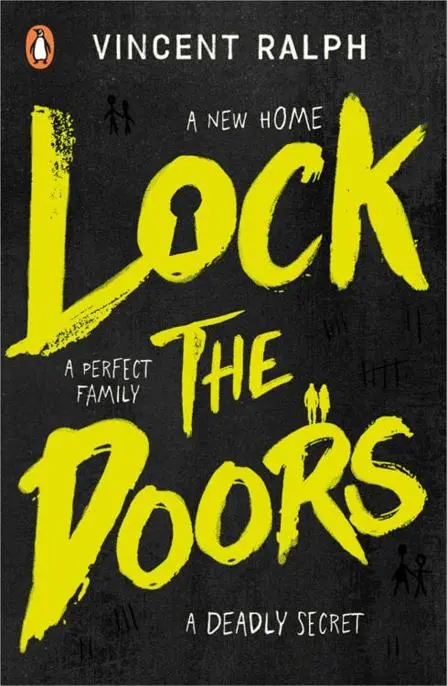
Tom’s family have moved into a beautiful new house. But there are strange messages written on the walls and locks on the bedroom doors … on the outside. Will their dream home become a nightmare?
If you loved The Things We Don’t See,
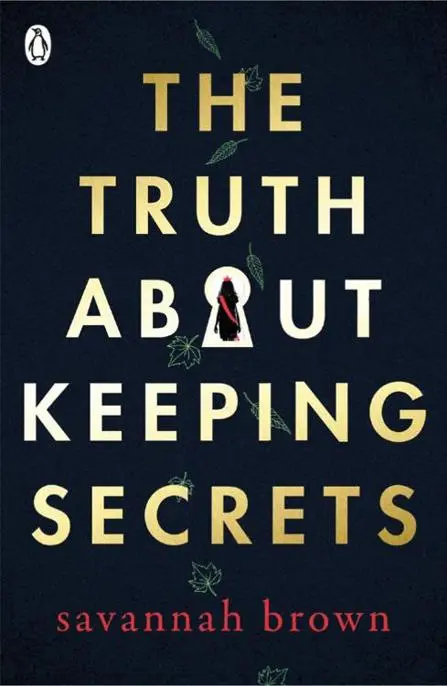
check out Savannah Brown’s first novel,
The Truth About Keeping Secrets