Chapters (60)
- Cover
- Endorsements
- Half Title Page
- Books by Joanna Davidson Politano
- Title Page
- Copyright Page
- Epigraph
- Dedication
- First Movement
- 1
- 2
- 3
- 4
- 5
- 6
- 7
- 8
- 9
- 10
- 11
- 12
- 13
- Second Movement
- 14
- 15
- 16
- 17
- 18
- 19
- 20
- 21
- 22
- 23
- 24
- 25
- 26
- 27
- 28
- 29
- 30
- Third Movement
- 31
- 32
- 33
- 34
- 35
- 36
- 37
- 38
- 39
- 40
- 41
- Reprise
- Author’s Note
- A Sneak Peek of A Midnight Dance
- 1
- Acknowledgments
- About the Author
- Back Ads
- Back Cover
When I set out to write about the Victorian asylums, I found myself not wanting to spend time in that world. Not wanting to journey into it with my heroine. So I decided to join it with another intriguing story idea that had been bouncing around my head—the origins of music therapy—and I was pleasantly surprised at what I found. In short, music therapy is not at all what I thought it was: a sort of “bubble bath” for the senses, meant to calm patients and bring order to a chaotic situation. It’s much more complex and beautiful than that.
Music therapy syncs with the natural rhythm at the core of all humans and taps into the beauty and personhood found there. I watched many videos demonstrating how music brought back lost memories in fragmented minds, accessed surprising depths in chaotic patients, and connected those considered lost to the outside world. I admit to crying through most—or perhaps all—of these videos. I hadn’t given much thought to how fundamental rhythm is to our ordered world, how deeply God has built it into everything, but reading about music therapy made me want to give up writing and go learn this profession. When the therapist is skilled enough to truly see their patient and thus know exactly what to play, a connection is made that realigns the order, the natural rhythm, of all created things.
Canon Frederick Harford (whose name was Frederick Kill Harford, but I dropped the “Kill”) was a real man who brought music into hospitals and even asylums. He later founded the Guild of St. Cecilia with other musicians to continue the work. He died not long after founding this guild, but his work in music therapy echoes like Vivienne’s songs well beyond his lifetime.
Victorian asylums, I found, were also not what I’d expected. They’re often presented in literature as places of abuse, especially toward women, and wrongful imprisonment. The data shows, however, that far more men were placed there than women, and that many institutions did act with kindness and charitable intentions toward patients. The one dreadful part of asylums was the wide swath of people placed into them, often for life, because of conditions that people simply did not understand. Stroke victims suffering confusion or loss of clear speech. Women entering menopause. Children born deaf or mute. Mothers with postpartum depression. People with epilepsy, mental illness, even situational depression.
I’m beyond grateful for resources, including music therapy, that shine immense light onto conditions we misunderstood so we can see the problem for what it is—and see the people beneath.
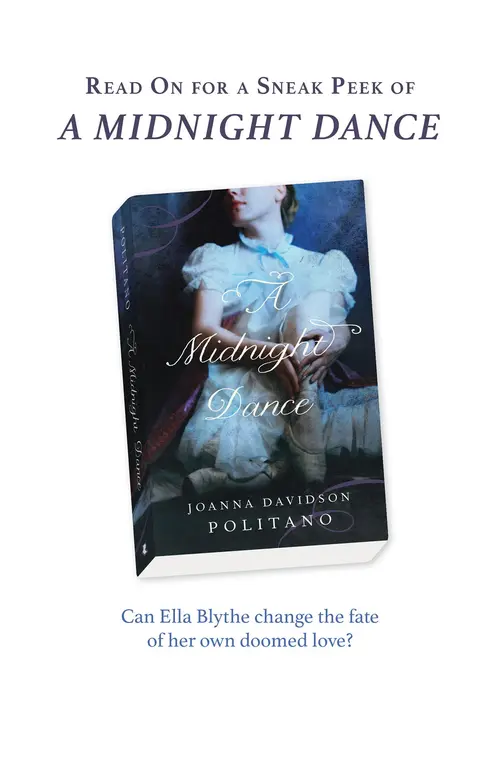
A Sneak Peek of A Midnight Dance
1
COVENT GARDEN, LONDON, 1833