Railroad of Death
Chapters (40)
- FOREWORD
- RAILROAD OF DEATH
- REFERENCE LIST:
- Railroad of Death
- PREFACE TO THE THIRD EDITION (1948)
- INTRODUCTION
- PART ONE: SINGAPORE
- CHAPTER 1
- CHAPTER 2
- CHAPTER 3
- CHAPTER 4
- CHAPTER 5
- PART TWO: RAILROAD OF DEATH
- CHAPTER 6
- CHAPTER 7
- CHAPTER 8
- CHAPTER 9
- CHAPTER 10
- CHAPTER 11
- CHAPTER 12
- CHAPTER 13
- PART THREE: BASE CAMPS AND LIBERATION
- CHAPTER 14
- CHAPTER 15
- CHAPTER 16
- CHAPTER 17
- CHAPTER 18
- CHAPTER 19
- CHAPTER 20
- APPENDIX ONE:
- APPENDIX TWO:
- APPENDIX THREE:
- APPENDIX FOUR:
- APPENDIX FIVE:
- APPENDIX SIX:
- APPENDIX SEVEN:
- APPENDIX EIGHT:
- APPENDIX NINE:
- ACKNOWLEDGEMENTS
- And The Dawn Came Up Like Thunder

RAILROAD OF DEATH
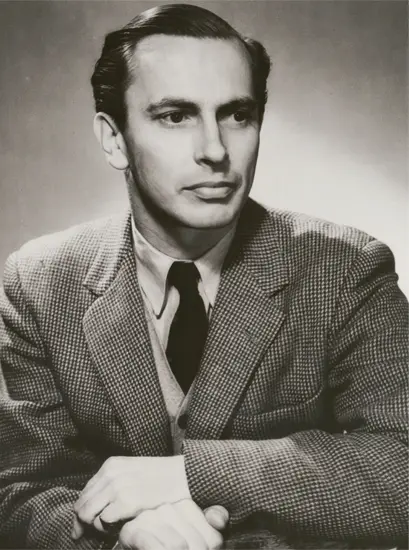
The author, six years after his liberation.
‘I feel that if you’ve lived in Siamese forest, built your own huts from bamboo you’ve felled yourself, survived malaria, eaten food that the local people could have thrown away, well, that country can hold no further terrors for you, and, whether you like it or not, you become part of it.’
John Coast
FOREWORD
by Dr Karl Hack
John Coast’s, Railroad of Death was informed by a memoir written and lost in captivity and first published in 1946. It was one of the earliest of a swelling stream of ‘captivity narratives’ about being prisoners of the Japanese in wartime Southeast Asia. Other classics in this line range from Russell Braddon’s Naked Island of 1951, through to Eric Lomax’s The Railway Man of 1995.
This new edition would be welcome even if its aim was merely to bring an old classic to new readers, but it does much more than that. It surrounds John Coast’s original book with a new introduction and appendices that address the bigger issues of reality and mythmaking over the Burma-Thailand railway, the trauma of war, the dilemmas confronting the Prisoner of War, and possibilities both of retribution and forgiveness. Readers may be aware of how Eric Lomax’s book describes an arc from his vicious beating by Japanese guards and post-war trauma, through to meeting his tormentor in 1993 – the Japanese officer and interpreter Takashi Nagase – and forgiving him. The elderly Eric Lomax is played by Colin Firth in the 2013 film version of the book. But what few people may realise is that Coast met Takashi more than two decades before Lomax, when he anchored the 1969 BBC documentary Return to the River Kwai. That documentary was in turn inspired by an earlier muddling of fact and fiction about the railway in Pierre Boulle’s novel, The Bridge on the River Kwai and the 1957 David Lean film version of the same.