Pearly Gates
Chapters (27)
COVER
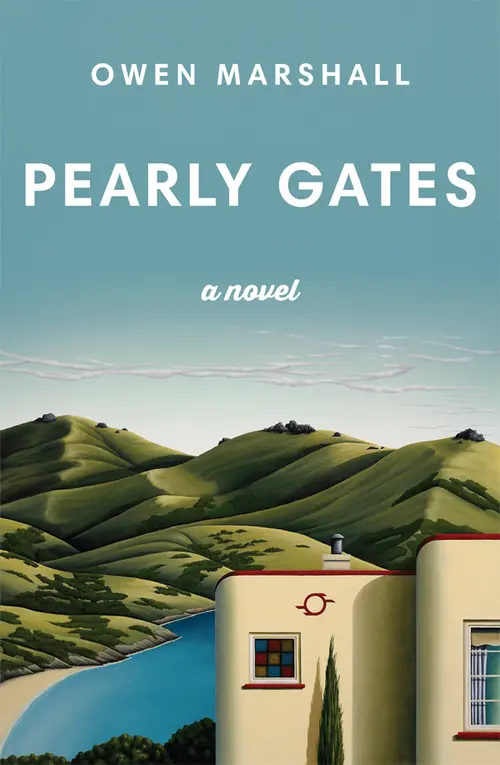
THIS ENTERTAINING AND INSIGHTFUL NOVEL BOTH SKEWERS AND CELEBRATES SMALL-TOWN NEW ZEALAND.
Pat ‘Pearly’ Gates has achieved a lot in his life and evinces considerable satisfaction in his achievements. He has a reputation as a former Otago rugby player and believes he would have been an All Black but for sporting injuries. He runs a successful real-estate agency in a provincial South Island town, of which he is the second-term mayor. Popular, happily married, well established, he cuts an impressive figure, especially in his own eyes.
But will his pride and complacency come before a fall?
‘[Owen Marshall has] the gift of telling stories that take hold of you in a personal way and bring echoes of people, places and events you have known, but not paid enough attention to at the time. It is a magical heightening of the ordinary.’ — Weekend Herald

DEDICATION
For Jackie
ONE
The more the world is tasked with serious obligation, the more insistent it is on entertainment. Pearly was at the annual show, fulfilling the public role expected of the mayor. He had ushered in the parade of floats and given the occasion an official blessing, watched by those people aware of his intention and willing to forsake the alternative amusements. The number who qualified on both counts wasn’t great.
Pearly had been told the sideshows would shut down during his speech, but they had continued: the shrieks from the big wheel and the octopus, the organ-grinder repetition from the merry-go-round, the engine blatter and impact noise from the dodgems, all combining to render his endorsement of regional enterprise and prosperity largely inaudible. The A & P shows of Pearly’s boyhood had morphed into what was essentially a carnival with an arts and crafts entourage. Gone were the tents of pickles, relishes and fruit preserves, the garden blooms, the cattle and sheep led about the ring in strict breed categories seeking garlands of blue and gold, the swelling sponge cakes, apricot slice and pale shortbread artfully arranged before the solemn judges of local repute. Now craft beers and boutique wines, free-range eggs, trays and pinboards of silver, paua and greenstone jewellery, amateur landscape paintings, peripatetic magicians, pale human statues and storytellers, face painting, and the occasional family cluster of huge tractors and harvesters, motionless and vivid among the moving throng like a giant’s gleaming toys.
There were still the wood chopping, candy floss, chocolate wheels and hot dogs, still the discarded wrappers and tickets amid the trampled grass, still the single-sex groups of adolescents in noisy, self-conscious procession, still the colourful bunting and balloons, still the false squeals from the haunted house. Still that empty urgency that accompanies mass entertainment.