Chapters (19)
- Title Page
- Dedication
- Author’s Note
- Introduction
- 1. Elinor
- 2. Frederick
- 3. Fighting Hitler and Jim Crow
- 4. German POWs in the United States
- 5. Prisoners and Nurses
- 6. A Forbidden Romance
- 7. End of War
- 8. An Uncertain Future
- 9. Searching for Acceptance
- 10. Finally Home
- Postscript
- Acknowledgments
- Notes
- Index
- About the Author
No one would ever say anything negative about Frederick’s cooking. He was an excellent baker, specializing in breads and pastries. His mother, Margarete, was a wonderful cook and he had inherited her skills in the kitchen. While he worked, he wore an apron, white cap, white shirt, and khaki pants. He made brötchen and weizenbrote, some of the German breads he had grown up eating, from scratch. In the kitchen he could forget that he was a prisoner of war. He didn’t have to wear his bulky “PW” ensemble either. The guards loosened the reins considerably and Frederick wore regular clothes purchased on base at the supply store.
He would have lived in the kitchen if he could have—anything to avoid picking cotton. Many POWs made sure to prove themselves essential to the goings-on during meal prep and milked it for all they could, particularly during the holidays. They volunteered to prepare Christmas dinner, to help celebrate the occasion and create a sense of community among themselves and the guards. They prepared heaping servings of turkey, potatoes, creamed peas, pumpkin pie, and coffee. And at Christmas the head prisoner on kitchen duty handed each guard a pack of cigarettes as a gift.47
Yet the holiday cheer didn’t extend to everyone at Camp Florence. For black nurses, there was little to celebrate. For them, and for all African Americans in uniform, the cordial treatment of German POWs from the U.S. military stirred up profound resentment. Or, as was the case with Elinor, feelings of deep disgust.
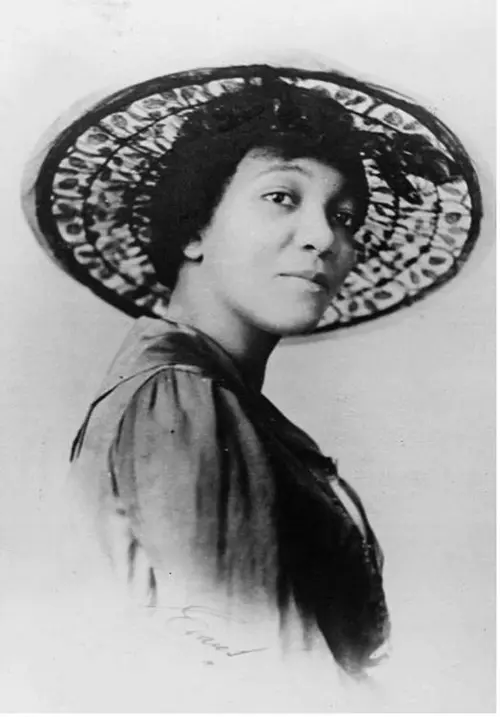
Gladys Farrow Powell
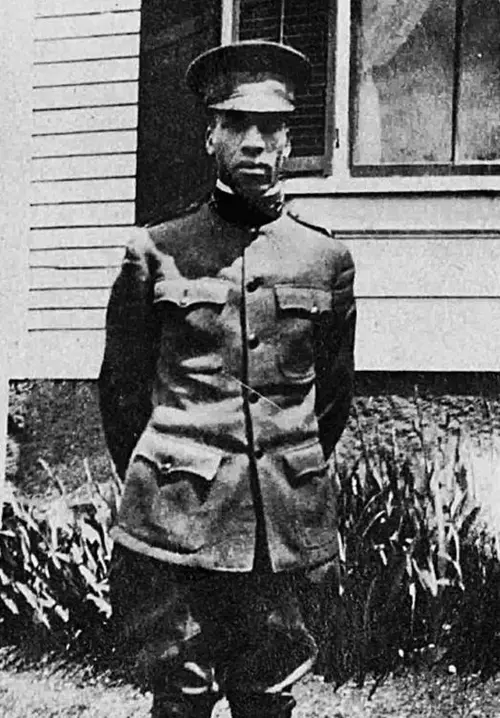
William Lawrence Powell
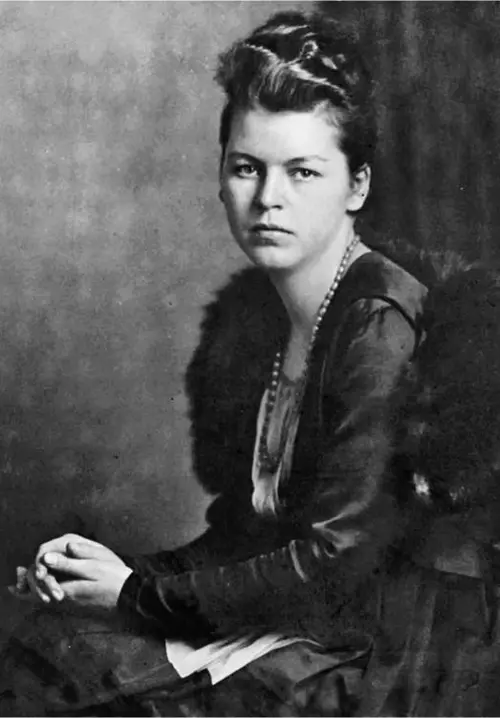
Margarete Albert
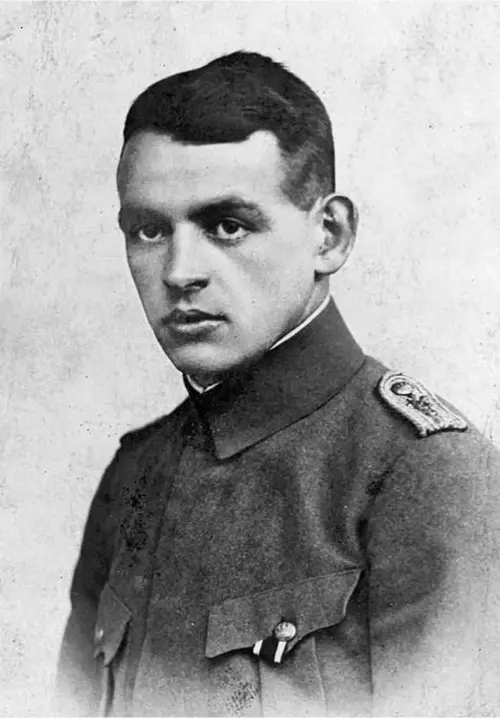
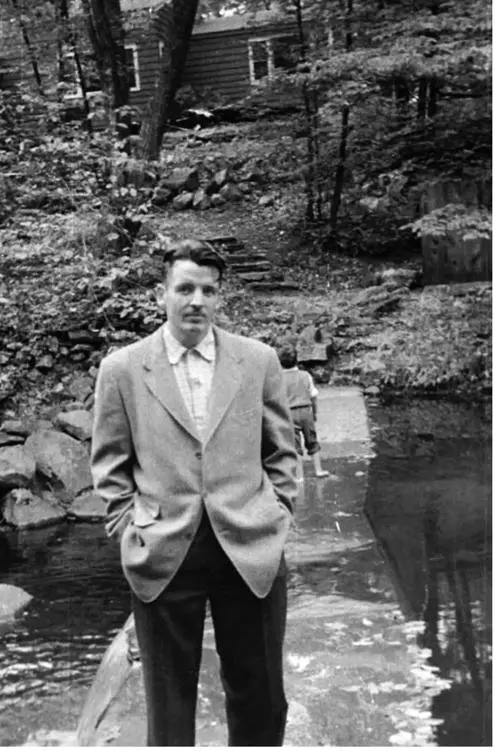
Karl Albert
The parents, circa the Great War, 1918
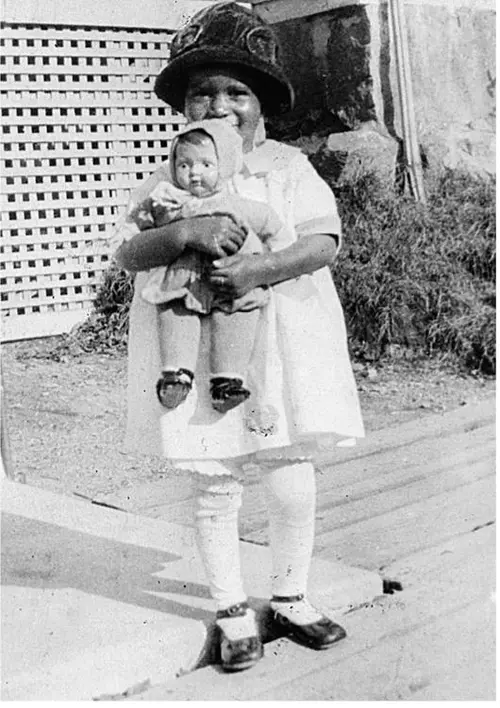
Little Elinor holding a doll in Milton, Massachusetts, circa 1924
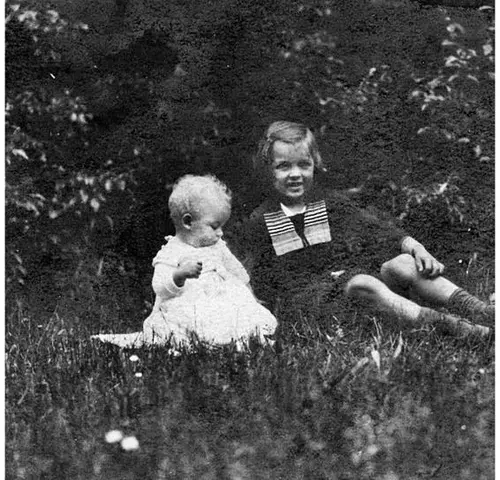
Charlotte and baby Frederick in Oppeln, Germany, circa 1925
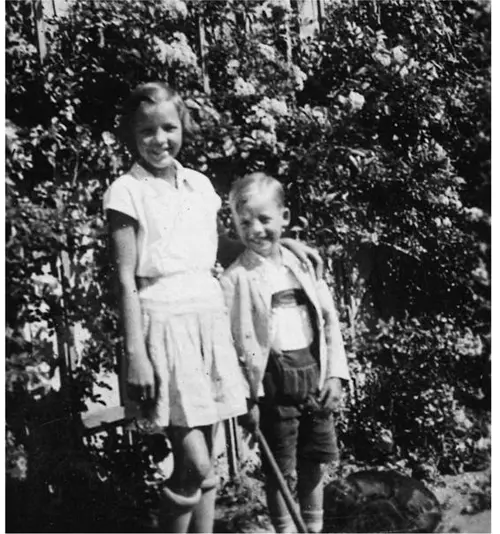
Charlotte and Frederick, circa 1930
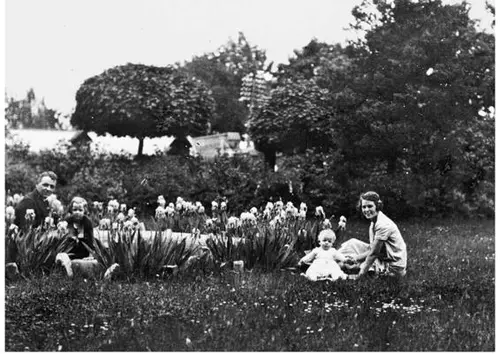
Outside in the garden in Oppeln: Karl, Charlotte, baby Frederick and Margarete, circa 1925–1926
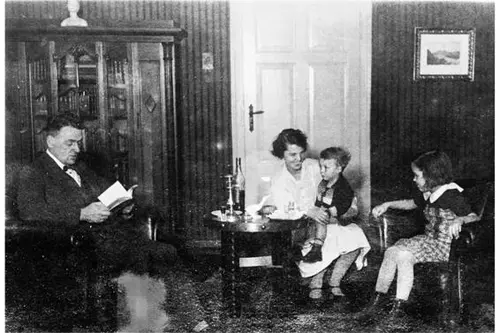
Karl, Margarete, little Frederick, and Charlotte at home, circa 1927
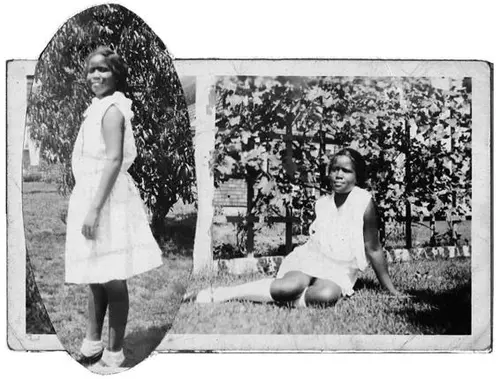
Elinor in Milton, Massachusetts, circa 1932
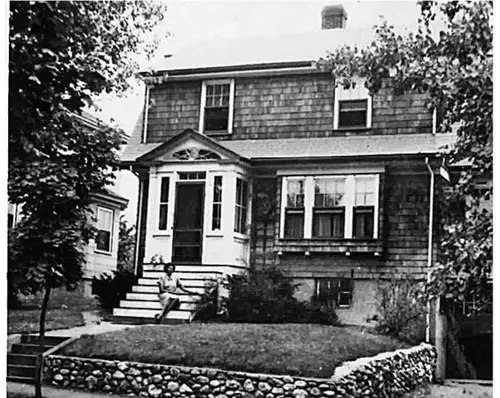
Elinor’s childhood house on Emerson Road in Milton, Massachusetts

William and Ella Powell’s house on Granite Place in Milton
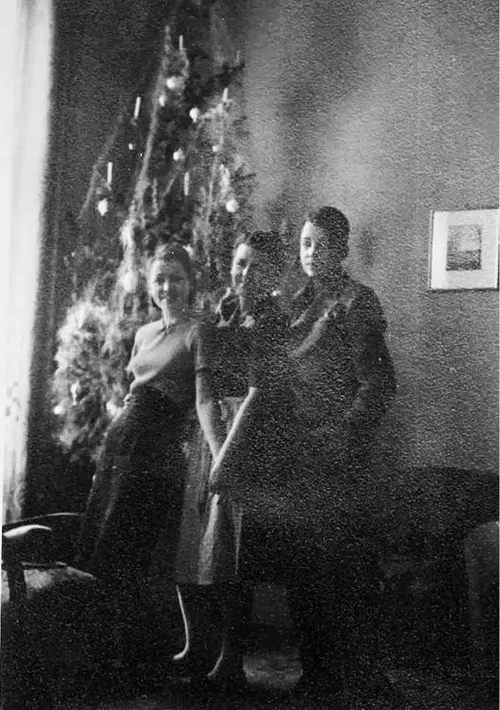
Charlotte, Margarete, and Frederick at home in Vienna for Christmas, circa 1939
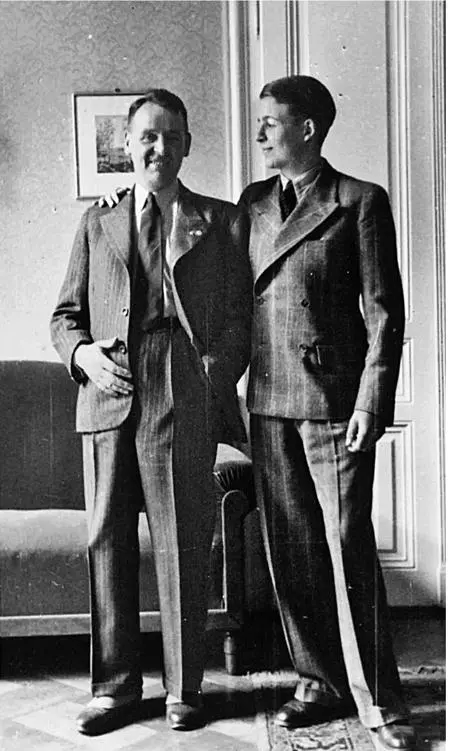
Frederick with his father, Karl Albert
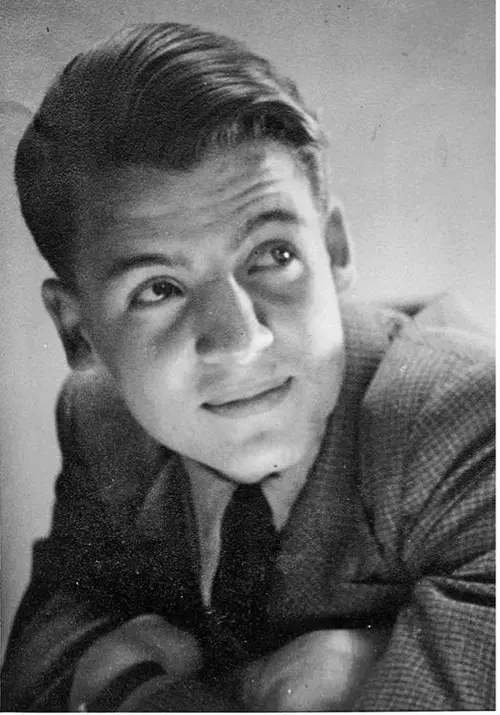
Frederick, circa 1942
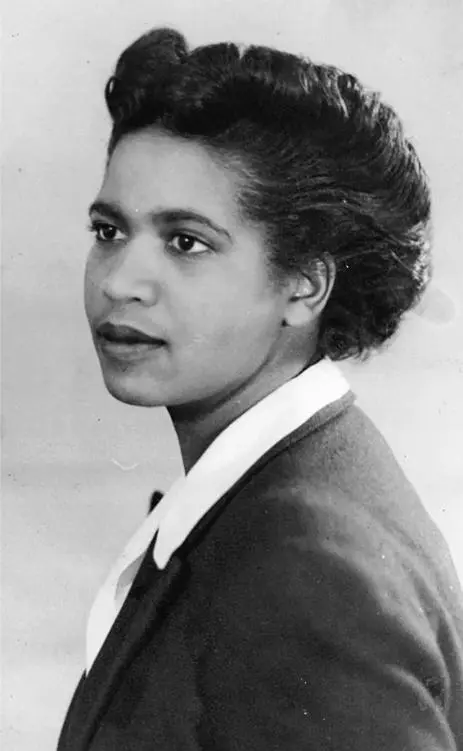
Elinor, circa 1942
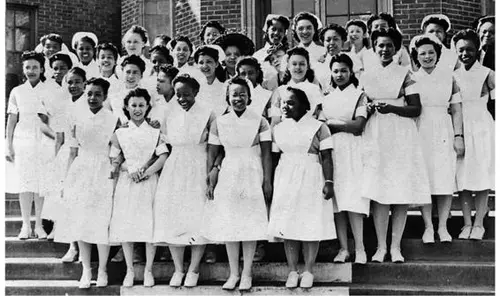
Elinor with her fellow classmates at the Lincoln School for Nurses in the Bronx, New York, circa 1941–1943
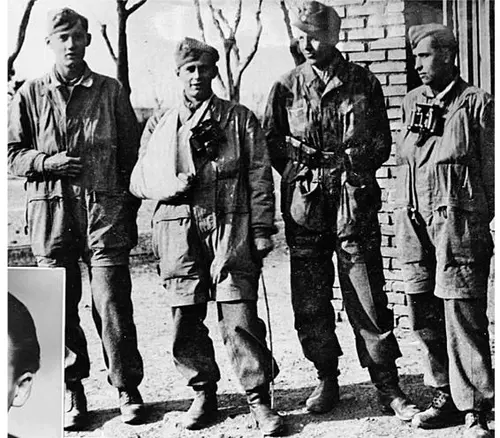
Frederick and fellow Wehrmacht soldiers, circa 1943–1944
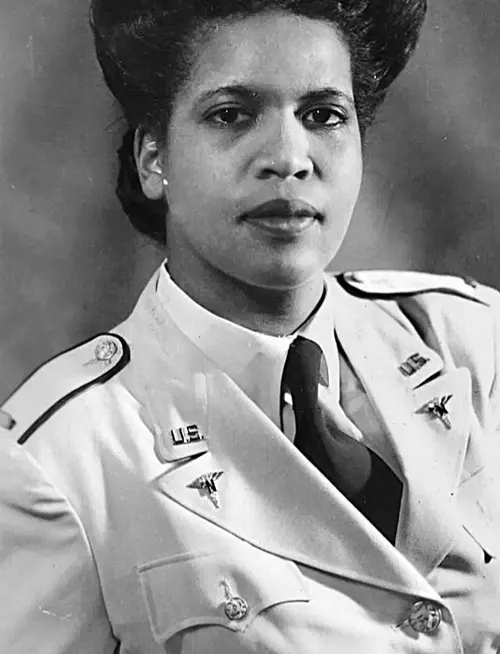
Elinor enlists in the U.S. Army Nurse Corps in Fort Huachuca, Arizona, July 1944
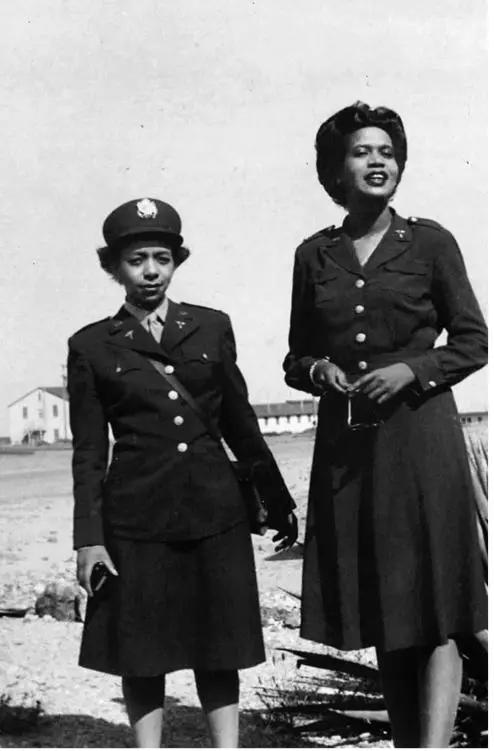
Elinor with a fellow army nurse at POW Camp Florence, circa 1944–1945
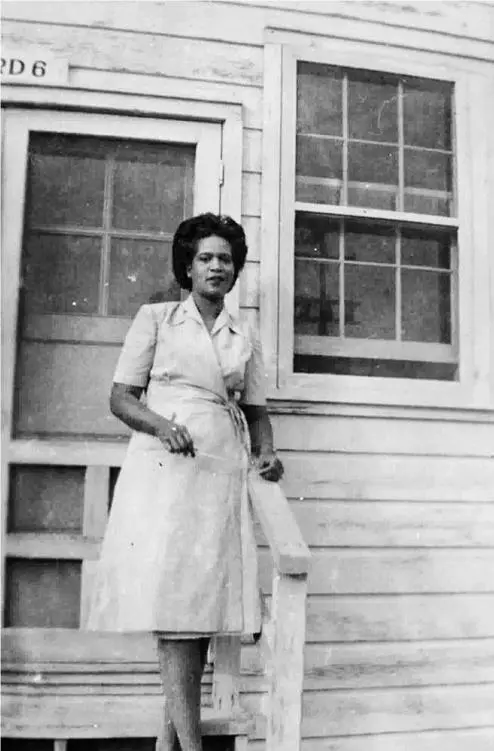
Elinor outside the barracks
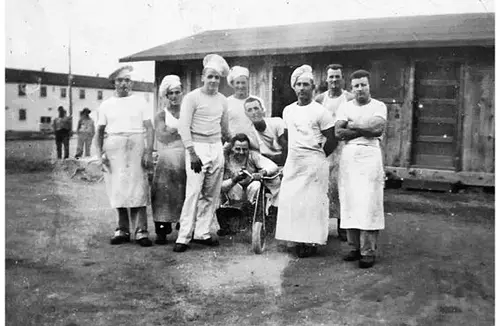
Frederick wearing his chef’s hat along with other POWs assigned to the mess hall
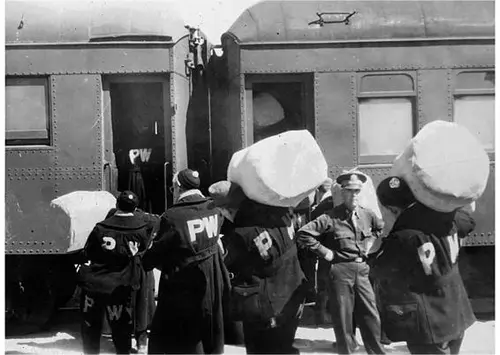
German prisoners of war at Camp Florence, Arizona, circa 1944–1946
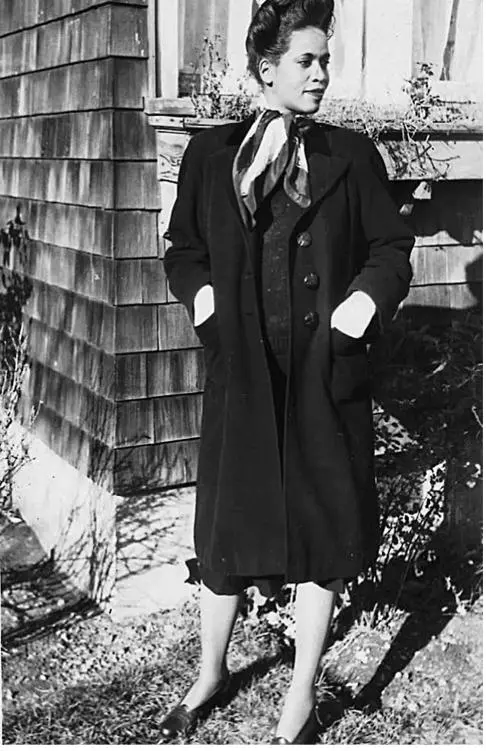
Elinor, a few months after Stephen’s birth in Milton, Massachusetts, spring 1947
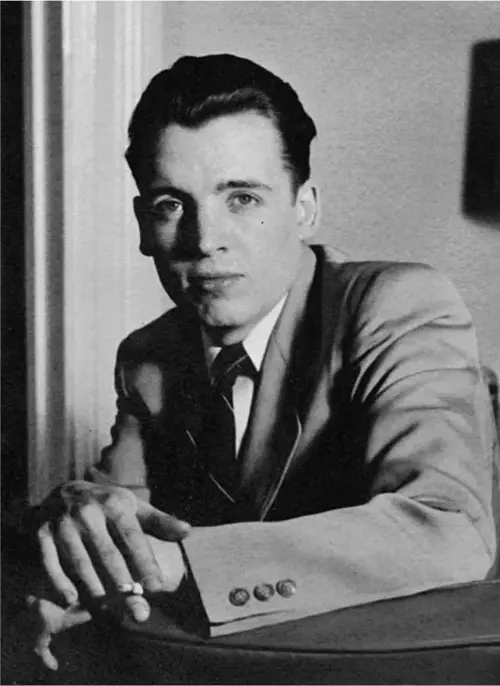
Frederick after the war in Vienna, circa 1947
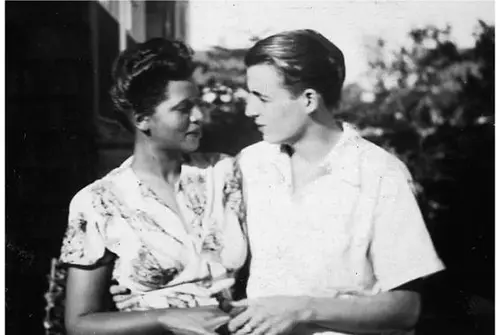
Elinor and Frederick together again, Milton, summer 1947
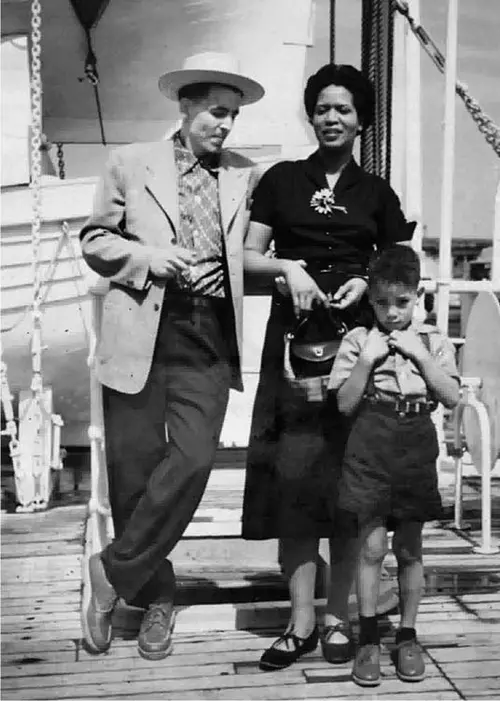
Frederick, Elinor, and Stephen set sail for a new life in Germany, July 1952
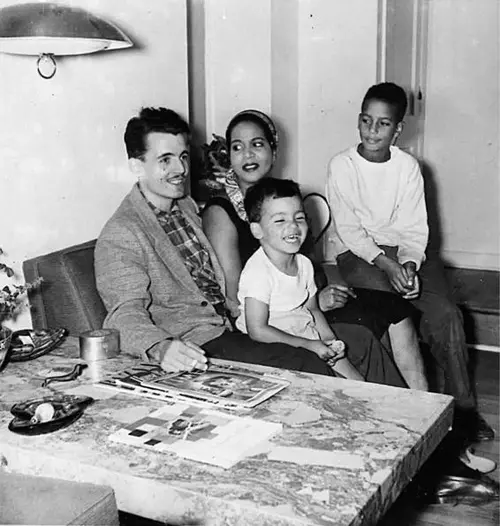
Frederick, Chris, Elinor, and Stephen in Media, Pennsylvania, circa 1955