Wild Dog
Chapters (64)
- Cover
- Part I
- July 1914
- Spring 2017
- August 1914
- Spring 2017
- August 1914
- August 2017
- August 1914
- August 2017
- August 1914
- August 2017
- August 1914
- August 2017
- August 1914
- August 2017
- September 1914
- August 2017
- Part II
- September 1914
- August 2017
- September 1914
- August 2017
- September 1914
- August 2017
- September 1914
- August 2017
- October 1914
- August 2017
- October 1914
- August 2017
- October 1914
- August 2017
- October 1914
- August 2017
- October 1914
- August 2017
- May 1915
- August 2017
- May 1915
- August 2017
- May 1915
- August 2017
- Part III
- August 2017
- May 1915
- August 2017
- May 1915
- August 2017
- June 1915
- August 2017
- July 1915
- August 2017
- July 1915
- August 2017
- July 1915
- August 2017
- July 1915
- August 2017
- July 1915
- August 2017
- July 1915
- August 2017
- Epilogue
Cover
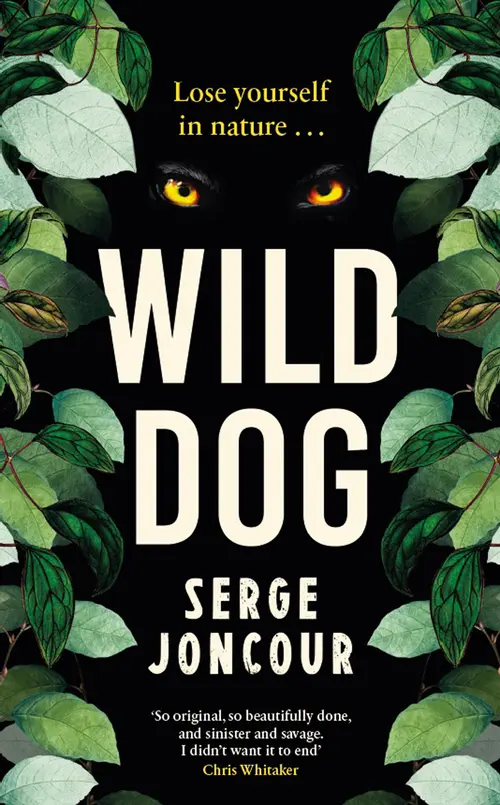
Serge Joncour is a novelist and screenwriter. He was born in Paris in 1961 and studied philosophy at university before deciding to become a writer. He wrote the screenplay for Sarah’s Key starring Kristin Scott Thomas, released in 2011. Wild Dog, winner of the Prix Landerneau des Lecteurs in France, is the first of his novels to be published in English.
Jane Aitken is a publisher and translator. She was awarded the Chevalier des Arts et des Lettres in 2009 for her work in promoting French literature in the UK.
Polly Mackintosh is an editorial assistant and translator.
WILD DOG
Serge Joncour

Part I
PART I
July 1914
July 1914
No one in the village had ever heard sounds like that coming from the hills. Wild, desperate sounds. The first shrieks rang out around midnight, distant at first, but moving closer and closer. Even the old people could not identify the source of the noise. It was as though some frenzied ritual were taking place up there in the woods, a savage brawl that seemed to be making its way towards them. At first the villagers thought it must be foxes or lynxes fighting over captured prey. The feverish sounds of these small, rabid beasts making their kills often disturbed their nights. Or it could have been the distinctive howling of local wolves, which pitched their cries to make the pack sound more fearsome. Previous attempts to keep them at bay by scattering the ground with strychnine had been unsuccessful, so tonight villagers young and old were roused from their beds to bang spoons against their pots and pans in the night air, a tried and tested method of keeping wolves away.
At night, the woods were alive with hidden sounds and rustling movements. Under cover of darkness, animals reclaimed their territory, free from human interference. In the village it was often possible to make out the sounds of unseen beasts hunting, mating or fighting. The night belonged to them, and this night more than any other.
‘It almost sounds like—’
‘Be quiet!’