When the Reckoning Comes
Chapters (44)
- Cover
- Dedication
- Epigraph
- They are coming.
- I.
- II.
- III.
- Once, they stole away.
- IV.
- V.
- VI.
- VII.
- VIII.
- IX.
- X.
- XI.
- XII.
- Those who stayed behind found their own ways to resist.
- XIII.
- XIV.
- They remembered the feeling of their beloveds sold,
- XV.
- XVI.
- XVII.
- XVIII.
- XIX.
- XX.
- It took the babies drowning for the rest to say, Enough.
- XXI.
- XXII.
- XXIII.
- Tools meant for work became seen as weapons.
- XXIV.
- XXV.
- XXVI.
- XXVII.
- XXVIII.
- When they were caught, punishment was swift and severe in its execution.
- XXIX.
- Soon it would be morning, and those left behind would prepare for another day.
- Acknowledgments
- About the Author
- Also by LaTanya McQueen
- About the Publisher
Cover
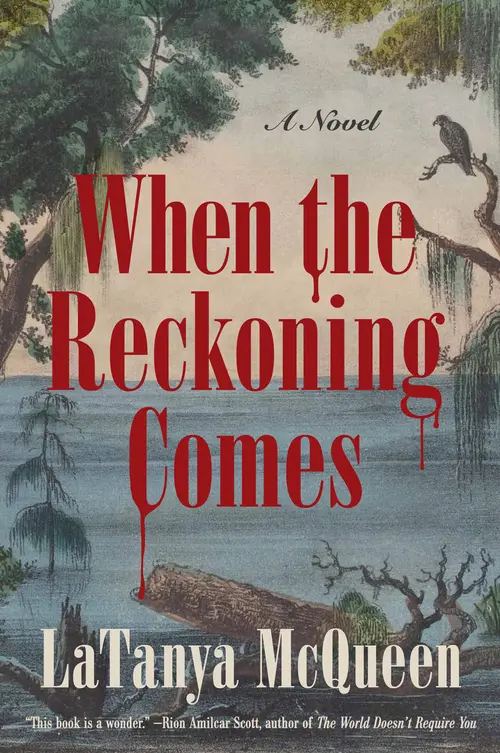
Dedication
For those who have yet to see.
Epigraph
What will you do on the day of reckoning, when disaster comes?
To whom will you run for help? Where will you leave your riches?
—ISAIAH 10:3
They are coming.
They are coming. In life, heavy was the crown of chains meant to keep their bodies down, but their spirits soon will rise. They are coming with their shackles, wearing them like armor, fuel that reminds them of their purpose. They bring the chains made from wrought iron, used across the wrists and ankles as they were stolen onto ships. They bring the iron collar, placed on as punishment, its four prongs sticking out to keep them still. They bring the leg irons, two horseshoe-shaped rings cuffed around the ankles with a bar between. The metal once rubbed against their skin, causing it to bruise and break. They are coming with the branding irons shaped with the initials of the men who seared their flesh, forever marking them with their names. Their own names were taken, erased, but they have them back now. The iron is hot from the burning flame. The skin will flush red after, the dermis deep enough to easily slough off. What remains will be the mark of the men and women who once owned them. They come bringing tools to slaughter and maim. One holds a gelding knife. His hand tightens around the handle, ready to take.
They are coming with the whip with its nine knotted lashes. Their hands carry glass jars of what will be rubbed in after. Turpentine. Lime juice. Hot brine. Piss. Whatever will make flesh sting. Virtue, you preached, came from being beaten. Redemption from blood. With the knotted whip raised high you delivered your sermon. The strike of the lash cracking the skin. In return the faltering pulse. Nearby, they watched in the fields as you then held your sons’ hands, teaching your boys to practice the whip on the trees’ flesh. Aim for the middle, you taught, imagine the trunk is the space between the shoulder blades, the safest spot to do the most harm.
They come wearing the clothes they died in. Clothes worn day in and day out when they were alive. See the house servants with their castoffs. They are barefoot, subjecting themselves to blisters and cuts rather than suffer wearing anything that would make them hotter. They wear quantiers. Softened oxhide cut to the shape of a foot and tied together with string. They wear the shoes bought by their masters. Children in calico slacks. Men tipping their straw hats to the women as they move further along. Women in their Christmas clothes, a few with ribbons tied in their hair.