Chapters (86)
- Title Page
- Copyright
- Dedication
- Acknowledgments
- Chapter One
- Chapter Two
- Chapter Three
- Chapter Four
- Chapter Five
- Chapter Six
- Chapter Seven
- Chapter Eight
- Chapter Nine
- Chapter Ten
- Chapter Eleven
- Chapter Twelve
- Chapter Thirteen
- Chapter Fourteen
- Chapter Fifteen
- Chapter Sixteen
- Chapter Seventeen
- Chapter Eighteen
- Chapter Nineteen
- Chapter Twenty
- Chapter Twenty-one
- Chapter Twenty-two
- Chapter Twenty-three
- Chapter Twenty-four
- Chapter Twenty-five
- Chapter Twenty-six
- Chapter Twenty-seven
- Chapter Twenty-eight
- Chapter Twenty-nine
- Chapter Thirty
- Chapter Thirty-one
- Chapter Thirty-two
- Chapter Thirty-three
- Chapter Thirty-four
- Chapter Thirty-five
- Chapter Thirty-six
- Chapter Thirty-seven
- Chapter Thirty-eight
- Chapter Thirty-nine
- Chapter Forty
- Chapter Forty-one
- Chapter Forty-two
- Chapter Forty-three
- Chapter Forty-four
- Chapter Forty-five
- Chapter Forty-six
- Chapter Forty-seven
- Chapter Forty-eight
- Chapter Forty-nine
- Chapter Fifty
- Chapter Fifty-one
- Chapter Fifty-two
- Chapter Fifty-three
- Chapter Fifty-four
- Chapter Fifty-five
- Chapter Fifty-six
- Chapter Fifty-seven
- Chapter Fifty-eight
- Chapter Fifty-nine
- Chapter Sixty
- Chapter Sixty-one
- Chapter Sixty-two
- Chapter Sixty-three
- Chapter Sixty-four
- Chapter Sixty-five
- Chapter Sixty-six
- Chapter Sixty-seven
- Chapter Sixty-eight
- Chapter Sixty-nine
- Chapter Seventy
- Chapter Seventy-one
- Chapter Seventy-two
- Chapter Seventy-three
- Chapter Seventy-four
- Chapter Seventy-five
- Chapter Seventy-six
- Chapter Seventy-seven
- Chapter Seventy-eight
- Chapter Seventy-nine
- Chapter Eighty
- Readers Guide
- About the Author
Yes, aphasia is very real. When the human brain suffers trauma, and language faculty is impaired, it is called aphasia, from the Greek “a-,” meaning “not,” and “phanai,” meaning “speak.” There are many different manifestations of aphasia. The one I use in Vox is Wernicke’s aphasia, also called “fluent aphasia.” Instead of struggling to speak, an individual with this type of linguistic impairment will actually speak quite fluidly, although that speech can often sound like a pretty interesting sort of linguistic soup. For more information on aphasia, I’ll refer you to the excellent people at the National Aphasia Association at www.aphasia.org.
Questions for Discussion
-
We speak more than sixteen thousand words a day—and the women in this book speak only one hundred words. What would it be like for your right to speak to be taken away? How would you voice your thoughts? How would you use your daily quota of words?
-
Humans differ from other members of the animal kingdom since we have language. If we take away language, what separates us from other animals? Would we be capable of rational thought? Would we survive?
-
Our learned behavior is patterned after what we witness. This is exemplified by the drawing that Sonia makes—her father and her brothers are depicted as much larger than she or her mother is. What other things do we learn to do unconsciously?
-
Do you blame Steven for his actions? Tell us how you felt about him. Did you feel remorse for him after he realized what he had done and went in search of his girlfriend, Julia?
-
Were you surprised by Patrick? Is it true that sometimes we don’t know the person we think we should know best?
-
How did the restructuring of the children’s education make you feel? Do you think home economics is beneficial to both boys and girls?
-
Sharon comments that because of her skin color, she will be “next.” How do you think society would have progressed if the ending of Vox were different? Do you think people of color would have been treated like the LGBTQ community?
-
Did reading this book inspire you as a parent? As a citizen of your country? As your (preferred) gender? How?
-
Were there any ideas of the Pure Movement you agreed with? Why?
-
Up until about six years old, children learn language with few problems. Later, language learning becomes increasingly difficult—think about how hard it is for most adults to learn a foreign language. What would be the risks to Sonia and other young girls if the situation in Vox persisted?
-
Jean gives up her voice long before the Pure Movement comes to power by declining to use it. Are there ways in which we voluntarily silence ourselves?
About the Author
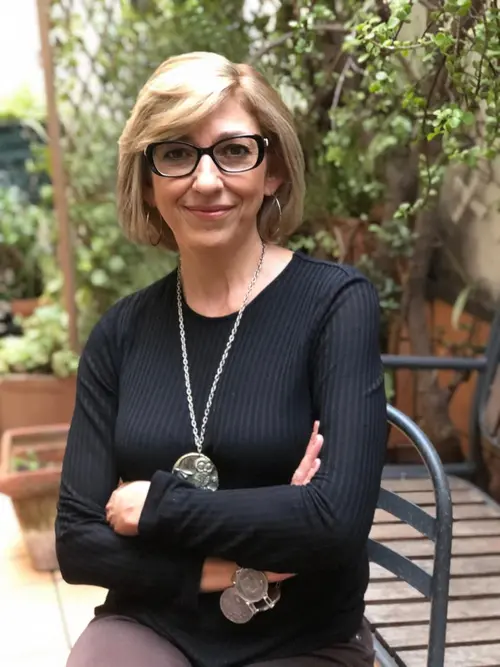
Photo © B Dalcher
Christina Dalcher earned her doctorate in theoretical linguistics from Georgetown University. She specializes in the phonetics of sound change in Italian and British dialects and has taught at several universities.