Vichhoda
Cover


EBURY PRESS
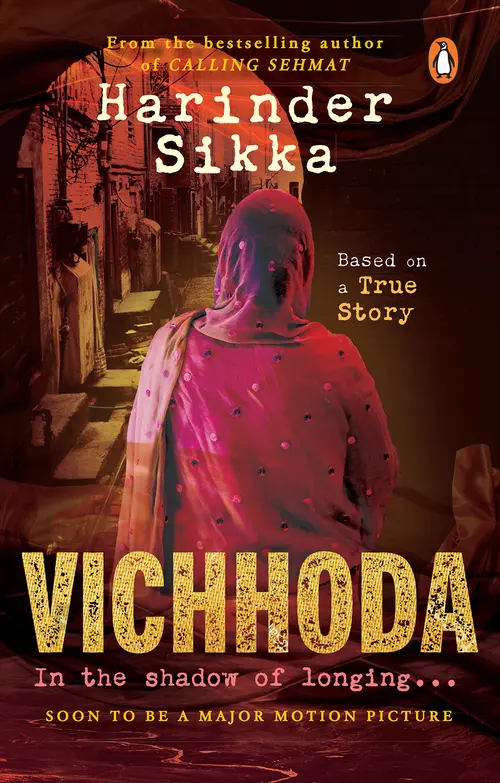
VICHHODA
Harinder Sikka has been with Piramal Enterprises Ltd for nearly three decades. He is currently the group director, strategic business. After graduating from Delhi University, he joined Indian Navy in 1979 and was commissioned in January 1981. He took premature retirement in 1993 as lieutenant commander.
He produced a film, Nanak Shah Fakir, in 2015 on the life and teachings of Guru Nanak. The film won acclaim at the international film festivals in Cannes, Toronto and Los Angeles and was also screened at the Rashtrapati Bhavan by the then honourable President of India, Pranab Mukherjee. The film won three national awards, including the most coveted Nargis Dutt Award for best feature film on national integration.
Calling Sehmat, his first book, was a national bestseller and has been published in many Indian languages. The book was also made into a film titled Raazi, starring Alia Bhatt, and was a box office success.
Sikka lives in New Delhi with his family.
Dedication
To my parents and Ajayji Piramal

1
August 1947
‘Kill the Kafirs, burn them alive. No Hindu or Sikh should be spared . . .’ Hate-filled directives echoed in the Valley as young and old Muslim men ran through the narrow streets of Tadali village in Muzaffarabad, Kashmir, with naked, bloodstained swords in their hands. The village was to become part of Pakistan post Partition. The vicious venom being spewed by the local mullahs had brainwashed the Muslim youth almost overnight and filled them with hatred towards communities of other religions. With no regulatory body to be afraid of, the fundamentalists went on killing sprees with full gusto. It was as if some evil force had swished a magic wand and turned friends and immediate neighbours into arch-enemies. They sprinted out of their homes like pit bulls freed from chains and filled the Valley with the blood of innocents, leaving a burning trail of houses in their wake. They marched on to the streets like wild beasts, displaying human skulls as trophies on the tips of their spears and swords.
The Sikhs provoked the ire of the fundamentalists even more. Being entrepreneurs, they had earned respect and jealousy in equal proportions. Despite being limited in number, they dominated all of Punjab and firmly held the purse strings of the important businesses. Even though Muslims benefited the most from their entrepreneurial skills, they remained discontent. They had been waiting for an opportunity to strike back. The word ‘Jihad’ acquired a new meaning. Instead of being a spiritual struggle to overcome ego, greed and lust, it was wrongly interpreted as the Prophet’s directive to wage wars against non-Muslims and used to justify the killing of innocent people.