The Waiting Years
Chapters (14)
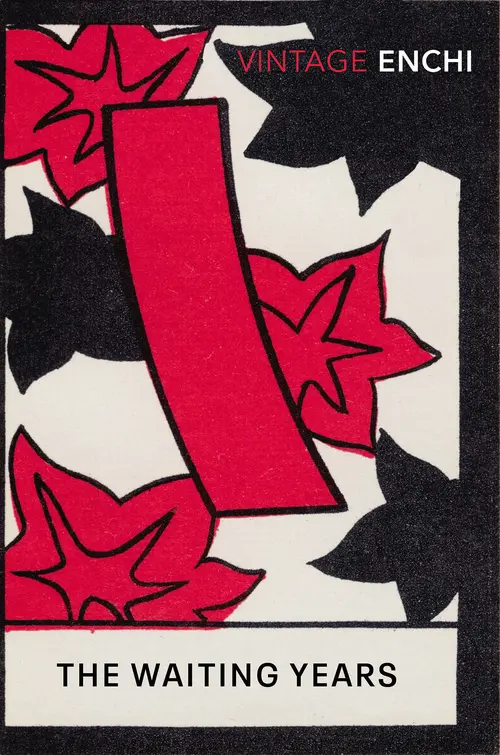
Cover

About the Author
Fumiko Enchi was the pen-name of Fumi Ueda, one of the most prominent Japanese women writers in the Showa period of Japan. Her first play, A Turbulent Night in Late Spring, performed at the Tsukiji Little Theatre, was a success and a short story published in 1952, Days of Hunger, was acclaimed by the critics and won the coveted Women Writers Prize.
On the publication in 1957 of The Waiting Years – a novel she took eight years to write – she won Japan’s highest literary award, the Noma Prize. Enchi was made a Person of Cultural Merit in 1979, and was awarded the Order of Culture by the Japanese government in 1985. She was elected to the Japan Art Academy shortly before her death in 1986.
Also by Fumiko Enchi
ALSO BY FUMIKO ENCHI
Days of Hunger
Masks

I
First Bloom
It was an afternoon in early summer.
At the Kusumi’s house that backed onto the Sumida River at Hanakawado in the Asakusa district of Tokyo, the mother, Kin, placed a white clematis from the garden in the alcove of one of the two adjoining rooms upstairs that she had been cleaning assiduously since early morning, and patting her hip with an air of weary finality came climbing down the dark wooden staircase.
In the small room next to the entrance hall, her daughter Toshi sat beneath the wooden-barred window threading a needle for her sewing, holding the eye up against the bright light reflected from the waters of the river. She spoke as her mother came into the room carrying the thick, oiled paper on which the flowers had rested while she arranged them.
‘The clock next door just struck three. They’re late, aren’t they, Mother?’
‘Good gracious, is it that time already? But then, they’re coming all the way from Utsunomiya by rickshaw; they said afternoon but I expect it will be more like early evening.’
Kin seated herself by the rectangular charcoal brazier and lit the tobacco in the tiny bowl of a longish, bamboo-stemmed pipe.
‘You’ve been hard at it since this morning, Mother. I expect you’re tired,’ said Toshi with a pleasant smile. She ran her sewing needle in and out of her double bun, which was coming slightly undone, then stuck it into the red pin cushion on the stitching stand. Next, she gently transferred her sewing – some material that looked like heavy silk crepe – from her lap to a piece of wrapping paper and went over to her mother, dragging her bad leg as she went. She too felt she deserved a rest.