Chapters (43)
- Title Page
- Copyright Page
- By Simon Scarrow
- Dedication
- Acknowledgements
- CHAPTER ONE
- CHAPTER TWO
- CHAPTER THREE
- CHAPTER FOUR
- CHAPTER FIVE
- CHAPTER SIX
- CHAPTER SEVEN
- CHAPTER EIGHT
- CHAPTER NINE
- CHAPTER TEN
- CHAPTER ELEVEN
- CHAPTER TWELVE
- CHAPTER THIRTEEN
- CHAPTER FOURTEEN
- CHAPTER FIFTEEN
- CHAPTER SIXTEEN
- CHAPTER SEVENTEEN
- CHAPTER EIGHTEEN
- CHAPTER NINETEEN
- CHAPTER TWENTY
- CHAPTER TWENTY-ONE
- CHAPTER TWENTY-TWO
- CHAPTER TWENTY-THREE
- CHAPTER TWENTY-FOUR
- CHAPTER TWENTY-FIVE
- CHAPTER TWENTY-SIX
- CHAPTER TWENTY-SEVEN
- CHAPTER TWENTY-EIGHT
- CHAPTER TWENTY-NINE
- CHAPTER THIRTY
- CHAPTER THIRTY-ONE
- CHAPTER THIRTY-TWO
- CHAPTER THIRTY-THREE
- CHAPTER THIRTY-FOUR
- CHAPTER THIRTY-FIVE
- CHAPTER THIRTY-SIX
- EPILOGUE
- AUTHOR’S NOTE
Each fleet was commanded by a prefect. Previous naval experience was not a requirement and the post was largely administrative in nature.
Below the rank of prefect the huge influence of Greek naval practice on the imperial fleets is evident. The squadron commanders were called navarchs and commanded ten ships. Navarchs, like the centurions of the legions, were the senior officers on permanent tenure. If they wished, they could apply for transfer into the legions at the rank of centurion. The senior navarch in the fleet was known as the Navarchus Princeps, who functioned like the senior centurion of a legion, offering technical advice to the prefect when required.
The ships were commanded by trierarchs. Like the navarchs, they were promoted from the ranks and were responsible for the running of individual ships. However, their role did not correspond to that of a modern sea captain. They were in charge of the sailing of the ship but, in battle, the senior figure was actually the officer in charge of the ship’s complement of marines.
As far as the ships go, the most common class of vessel was the small patrol galley, usually termed a liburnian. These were propelled by oars or sails and had a small complement of marines. In the same class was the bireme, somewhat larger and more capable of holding its own in battle. The larger warships, the triremes, quadrimes and quinquiremes, were something of a rarity by the age in which this book is set, relics of a bygone age of naval warfare.
CHAPTER ONE
CHAPTER ONE
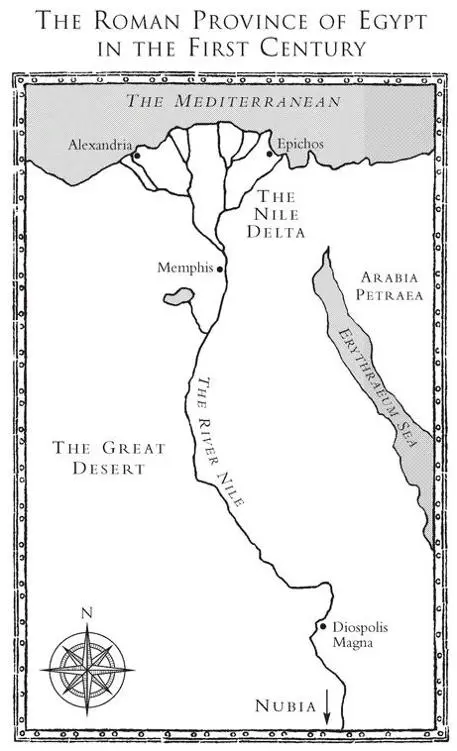
The commander of the naval supply station at Epichos was having his morning meal when the optio in charge of the dawn watch made his report. A light drizzle - the first rain in months - had been falling since first light and the optio’s cloak was covered with droplets that looked like tiny beads of glass.
‘What is it, Septimus?’ Trierarch Philipus asked tersely, dipping a hunk of bread into a small bowl of garum sauce in front of him. It was his custom to walk his rounds of the small fort and then return to his quarters to have his breakfast, without interruption.
‘Beg to report a ship has been sighted, sir. Heading along the coast towards us.’
‘A ship, eh? Just happens to be passing along one of the busiest sea lanes in the Empire.’ Philipus took a deep breath to cover his impatience. ‘And the marine on watch thinks that’s unusual?’