The Hungry Grass
Chapters (28)
- Cover
- THE HUNGRY GRASS
- About The Hungry Grass
- Epigraph
- Contents
- Introduction
- Prologue
- Chapter 1
- Chapter 2
- Chapter 3
- Chapter 4
- Chapter 5
- Chapter 6
- Chapter 7
- Chapter 8
- Chapter 9
- Chapter 10
- Chapter 11
- Chapter 12
- Chapter 13
- Chapter 14
- Chapter 15
- About Richard Power
- Endpapers
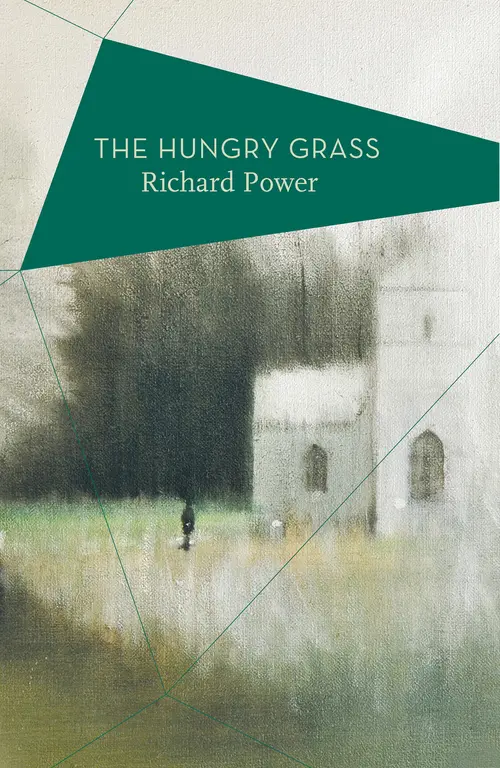
- About the cover and endpapers
- More from Apollo
- About Apollo
- Copyright
Cover
THE HUNGRY GRASS
Richard Power
Start Reading
About this Book
About the Author
Table of Contents
About The Hungry Grass
At the funeral, several priests remarked how appropriate it was that Father Conroy should have returned on his last day to Rosnagree, the parish in which he was born.
Father Tom Conroy – a spiky, difficult man – dies at a reunion of his seminary colleagues. As this masterly novel unfolds, we learn about the life that formed this troublesome priest, who knew his life had been a failure. This is a sharply witty and moving novel of a world on the cusp of change.
Epigraph
We are not Angels from Heaven that speak to you, but men, whom grace, and grace alone, has made to differ from you.
—CARDINAL NEWMAN
Contents
Cover
Welcome Page
About The Hungry Grass
Epigraph
Introduction
Prologue
Chapter 1
Chapter 2
Chapter 3
Chapter 4
Chapter 5
Chapter 6
Chapter 7
Chapter 8
Chapter 9
Chapter 10
Chapter 11
Chapter 12
Chapter 13
Chapter 14
Chapter 15
About Richard Power
Endpapers
About the cover and endpapers
More from Apollo
About Apollo
Copyright
Introduction
Everyone’s life is a ruin among whose debris an artist may be able to deduce what that person might have been. That injunction pressed heavily on Irish people in the aftermath of the Great Hunger of the 1840s. According to folk tradition, whoever walks on the grass where a Famine victim fell dead risks a similar affliction: hence the ‘hungry grass’ of the book’s title. Perhaps it is a fear of seeming famished which causes Father Tom Conroy to refuse offers of food at various moments. But the novel also engages with a wider sense of emotional and cultural starvation: of the tragedy that is underdevelopment and of the underdevelopment that is tragedy. Every so often the celibate Father Conroy imagines scenes of conjugal love, not as a grand passion, but in terms of the kind of warm fire which seems to be missing from his own life. Of course, he curbs these reveries for the sake of his vocation. The hungry grass could never be ploughed by farmers, who feared infection from it; and the parish priest of Kilbride confronts a related problem, in that he is expected to supply the spiritual nourishment that his flock needs, but there is nobody to nourish him.