Chapters (30)
- Cover
- Praise for Ian Rankin
- About the Author
- By Ian Rankin
- Ian Rankin
- To Allan and Euan, who set the ball rolling.
- Introduction
- 1
- 2
- 3
- 4
- 5
- 6
- 7
- 8
- 9
- 10
- 11
- 12
- 13
- 14
- Philip Kerr, ‘The Unnatural History Museum’
- Afterword
- © Rankin
- ABOUT IAN RANKIN
- Introduction to DI John Rebus
- For general discussion regarding the Rebus series
- THE FALLS
- Discussion points for The Falls
- Copyright
In June 1996, a man’s body was found near the summit of Ben Alder. He’d died of gunshot wounds. His name was Emmanuel Caillet, the son of a French merchant banker. What he was doing in Scotland was never ascertained. The report, produced from autopsy and scene-of-crime evidence, concluded that the young man had committed suicide. But there are enough discrepancies and unanswered questions to persuade his parents that this is not the real solution …
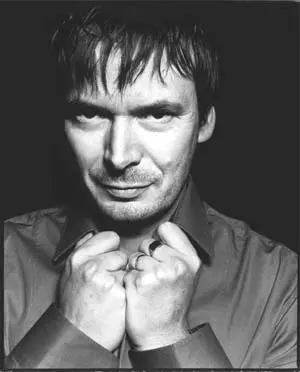
© Rankin
ABOUT IAN RANKIN
Ian Rankin, OBE, writes a huge proportion of all the crime novels sold in the UK and has won numerous prizes, including in 2005 the Crime Writers’ Association Diamond Dagger. His work is available in over 30 languages, home sales of his books exceed one million copies a year, and several of the novels based around the character of Detective Inspector Rebus – his name meaning ‘enigmatic puzzle’ – have been successfully transferred to television.
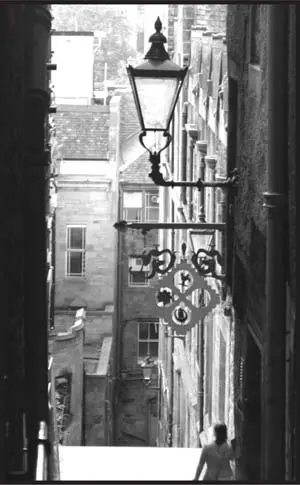
Introduction to DI John Rebus
The first novels to feature Rebus, a flawed but resolutely humane detective, were not an overnight sensation, and success took time to arrive. But the wait became a period that allowed Ian Rankin to come of age as a writer, and to develop Rebus into a thoroughly believable, flesh-and-blood character straddling both industrial and post-industrial Scotland; a gritty yet perceptive man coping with his own demons. As Rebus struggled to keep his relationship with daughter Sammy alive following his divorce, and to cope with the imprisonment of brother Michael, while all the time trying to strike a blow for morality against a fearsome array of sinners (some justified and some not), readers began to respond in their droves. Fans admired Ian Rankin’s re-creation of a picture-postcard Edinburgh with a vicious tooth-and-claw underbelly just a heartbeat away, his believable but at the same time complex plots and, best of all, Rebus as a conflicted man trying always to solve the unsolvable, and to do the right thing.
As the series progressed, Ian Rankin refused to shy away from contentious issues such as corruption in high places, paedophilia and illegal immigration, combining his unique seal of tight plotting with a bleak realism, leavened with brooding humour.
In Rebus the reader is presented with a rich and constantly evolving portrait of a complex and troubled man, irrevocably tinged with the sense of being an outsider and, potentially, unable to escape being a ‘justified sinner’ himself. Rebus’s life is intricately related to his Scottish environs too, enriched by Ian Rankin’s attentive depiction of locations, and careful regard to Rebus’s favourite music, watering holes and books, as well as his often fraught relationships with colleagues and family. And so, alongside Rebus, the reader is taken on an often painful, sometimes hellish journey to the depths of human nature, always rooted in the minutiae of a very recognisable Scottish life.