The Dread Wyrm
Chapters (35)
- Cover
- Welcome
- Dedication
- Map
- Prologue
- Chapter One
- Chapter Two
- Chapter Three
- Chapter Four
- Chapter Five
- Chapter Six
- Chapter Seven
- Chapter Eight
- Chapter Nine
- Chapter Ten
- Chapter Eleven
- Chapter Twelve
- Chapter Thirteen
- Chapter Fourteen
- Chapter Fifteen
- Chapter Sixteen
- Chapter Seventeen
- Chapter Eighteen
- Chapter Nineteen
- extras
- meet the author
- introducing
- Introductory Notes by Scholar Goran
- CHAPTER 1
- Kailen
- The Prince and the Ahmstad
- introducing
- CHAPTER 1
- BY MILES CAMERON
- Thank you for buying this ebook, published by Orbit.
Cover
Welcome
Begin Reading
Table of Contents
A Preview of Snakewood
A Preview of A Crown for Cold Silver
Orbit Newsletter
Copyright Page
In accordance with the U.S. Copyright Act of 1976, the scanning, uploading, and electronic sharing of any part of this book without the permission of the publisher constitute unlawful piracy and theft of the author’s intellectual property. If you would like to use material from the book (other than for review purposes), prior written permission must be obtained by contacting the publisher at [email protected]. Thank you for your support of the author’s rights.
Dedication
To the members of the Compagnia della Rose nel Sole
Map
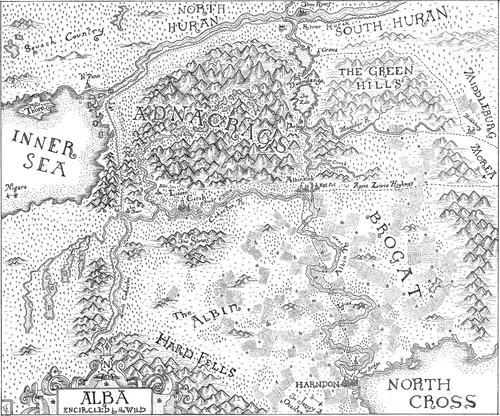
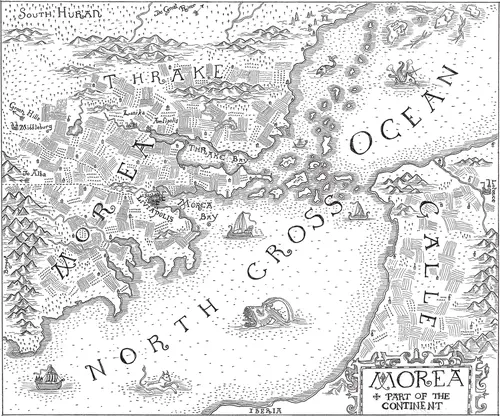
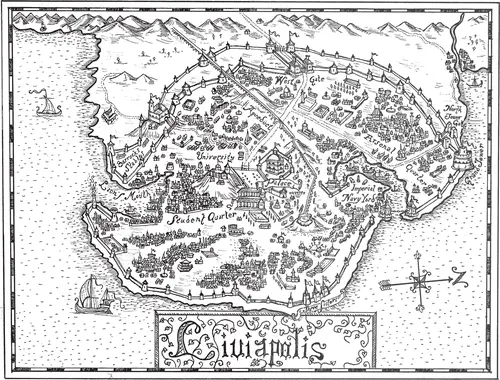
Prologue
Across the north of the Nova Terra and the Antica Terra, spring came. It came, too, in Galle and Etrusca, in Arelat Arelat, where men had begun to learn to fear the night again, and in Iberia, where it came early. But it came first in the fields of Occitan, where husbandmen and goodwives got down to the serious work of manuring and planting fields as soon as the ice in the old furrows was thawed and the ground began to soften. Depending on the wealth of the farmer, from yeomen with stone houses and two ploughs’ worth of oxen or big horse teams, to tiny huts on the edge of the debatable lands, where a young couple would harness themselves—together—to a homemade plough and the biggest child would drive it, furrows were cut in the cold ground, and every day those furrows crept north, from Occitan’s early sun to the borders, and in some cases fire-blackened fields of Jarsay, and then north again to the Albin and the Brogat, where there were fewer peasants and more yeomen, but also more farm labourers with no land at all; where big iron ploughs cut the earth deeper to make up for the later sun.
South to north, then, the earth was turned wherever the hand of man reached.