Phantoms
Chapters (16)
Title
PHANTOMS
a novel
CHRISTIAN KIEFER

LIVERIGHT PUBLISHING CORPORATION
A DIVISION OF W. W. NORTON & COMPANY
Independent Publishers Since 1923
NEW YORK LONDON
PHANTOMS is a work of fiction. Place names and descriptions corresponding with existing or historical locations and events are used fictitiously. The novel’s characters are products of the author’s imagination, and any resemblance to real individuals, living or dead, is entirely coincidental.
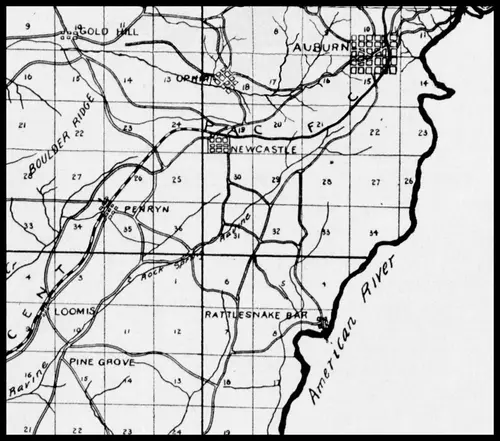
Respectfully dedicated to the following individuals and families, removed from their homes in Newcastle, California and interred at Tule Lake, May 1942:
Asazawa
Daijogo
Endo
Enkoji
Hada
Hamaoka
Harada
Hashiguchi
Hikida
Hirabayashi
Hiraiwa
Hiranaka
Hironaka
Hirota
Hirozawa
Horiuchi
Ichikawa
Imamoto
Itano
Kanda
Kawahata
Kawayoshi
Kojima
Kono
Kurimoto
Kurosawa
Kushida
Masuda
Matsuda
Matsumoto
Mitani
Moriguchi
Muraoka
Nagafuji
Nakadoi
Nakagawa
Nakamura
Nakao
Nakashima
Nakata
Nakatomi
Nakayama
Namba
Nimura
Nishikawa
Noda
Nodohara
Nomura
Okusako
Omoto
Ooka
Osaki
Saeki
Sakai
Sakakihara
Sakamoto
Sakatani
Shinkawa
Sunada
Tahara
Takata
Tanaka
Tanihana
Tanno
Tokutomi
Tomita
Uyeno
Watanabe
Yamane
Yasuda
Yokota
Yonemura
Yoshida
Yoshikawa
Yoshimoto
The sorrow of war inside a soldier’s heart was in a strange way similar to the sorrow of love. It was a kind of nostalgia, like the immense sadness of a world at dusk. It was a sadness, a missing, a pain which could send one soaring back into the past.
—BẢO NINH
PHANTOMS
Chapter 1
1
RAY TAKAHASHI RETURNED IN AUGUST. BY THEN WE HAD put the whole thing behind us, or tried to, whatever concern or even guilt we might have felt replaced by that mixture of jubilation and despair brought on by the war’s end, for our boys were coming home and the war had changed them. Some held only absence where an arm or leg had once been; some were broken by experiences we could not see and never would. And of course others did not return at all, families receiving a Western Union telegram signed by a general of whom none of us had heard. Later would come the casket and the folded flag. But these were eddies of respectful quietude in a flow of celebration: parades and confetti and flags and bunting and a sense that we had done something honorable, that our boys had tested their mettle in Europe and the Pacific and had been rewarded with victory. We were proud of them. We were proud of ourselves.