Chapters (16)
“You don’t need to come with me. The soldiers will confuse you and your brother. They don’t know you well enough to tell the difference. They just know my husband is a tall blond man, and that’s enough. You need to rest.”
“I know,” he replied.
Down below, the gardener was getting ready to water the plants. It was better to go the next day. The bodyguards didn’t follow me to the border if I didn’t have Gaspar with me. We had time. We would drive to Asunción like we did every week. And I’d take a quick detour into Foz. They would let me pass. The yerbatero’s daughter. The daughter of the powerful. The guards at the border had arrangements with my father. In Foz, Luis could take any transport or rent a car. As soon as he was in Brazil, he’d be safe. He could be in Río in two days.
We were all going to survive. I could sense it. My son, Juan, Luis, Betty, Adela. For a while, at least. The Darkness was open and the night was clear.
V
The Zañartú Pit
Olga Gallardo, 1993
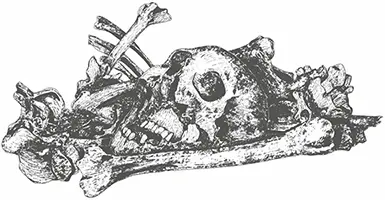
“Here, we knew,” says the woman, her eyes racked by cataracts and her skin too taut for someone nearing one hundred years old. “They put the bodies there.”
She indicates the exact direction of the mass grave, as if she weren’t blind.
“But us, what could we say, miss? My sister used to hear them cry out at night.”
“Hear who?”
“The dear little souls. Angá. Hundreds of them!”
The woman, Margarita Gómez, is Guaraní. She lives in a house made of logs and mud that’s collapsing, five of her ten children are dead, and her grandchildren are all “potbellied.” Still, though, she braids her long gray hair, and still puts a flower behind her ear when she finishes; the red petals illuminate the gray. She remembers the war. That’s what she calls it. She remembers the kids mown down in the light of day. She remembers them with sorrow but without horror, because Margarita Gómez has seen a lot. She’s seen her own children die, she’s seen her surviving children weep from hunger. She’s seen her neighbors beaten, their backs scarred by the whips of plantation overseers. She feels sorrow for those kids, but it’s not the first or only misfortune her people have seen. So she prefers to water her plants and serve tereré before continuing the conversation with me.