In those days, you will remember, we were friendly with M. Whenever he came to see us, he would march through all the rooms in the apartment, sniffing around before sitting down in an armchair, and then he would begin to talk. There was nothing aggressive in this, on the contrary. He used to work as a photographer for Time magazine, traveling through war zones: Lebanon, El Salvador, and Nicaragua. His war experiences were turned into screenplays, and one film is about the last days of Somoza’s rule. A bad film, but there was one very strong scene in it: after the guerrilla leader had been killed, the news of his death spread like wildfire, and out of fear of the loss of morale and potential defeatism, the photographer was asked to photograph the dead man so that he looked alive. And a picture was taken with the newspaper of the day on the desk in front of the dead leader with his eyes open, which was published the following day on the front page of the same paper to confirm that he was still alive. Why does that scene appeal to me? Because it contains the ultimate power of photography and because no other medium is capable of bringing someone “back to life.”
As he toured our rooms, M. used my camera to take pictures of everything that his eye found interesting. If I’d been asked, I’d never have taken those photos, but it’s true that they told me a lot. It’s interesting to discover how others see us. It’s interesting to see one’s own world through someone else’s eyes, even when they show you a newspaper that you know for certain you leafed through but from which you can no longer recall a single article.
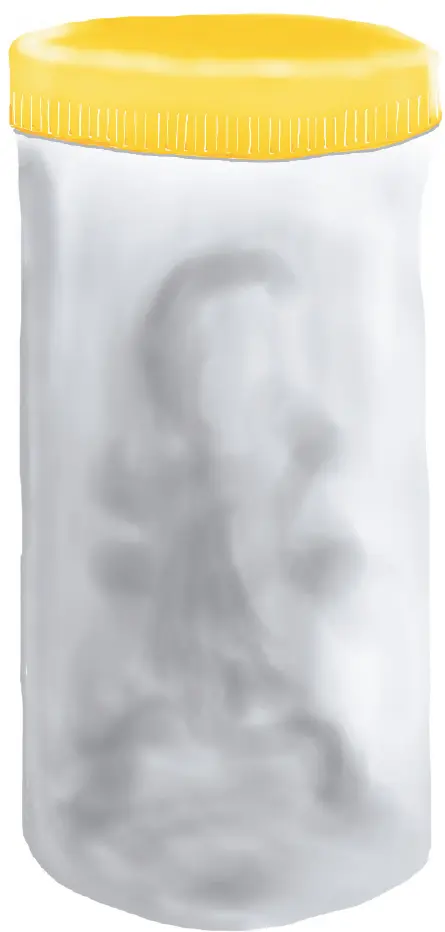

The temperatures are so high that nothing living can inhabit this part of the desert. There are no snakes or scorpions. And then I remembered. Sometime around the beginning of the war, in May and June 1992, we were living in the studio of the fine-art group Zvono, “The Bell,” with the painter Sead Čizmić, the photographer Kemal Hadžić, and their wives. There were a lot of glass walls there, a fairly risky place to live, but in the building next door there was a nuclear bunker, so we took shelter there on the days when shells were raining down on our district. I once went with Sead up to Golobrdica, where he had a rented apartment with a wonderful open view of the city and Trebević Mountain. We stayed just long enough for him to collect the rest of the clothes they had left behind. There were already sporadic power cuts in the city, so supplies of water were kept in the bath. While Sead was collecting the things we had come for, I looked around with interest, and so came to see a drowned scorpion in the full bath. I had never seen a scorpion in Bosnia before. I scooped it into one of those round, transparent Kodak film containers, the ones with yellow lids, and took it to Harun. And he kept it for a while in the war as a toy, and then the container and the scorpion disappeared.