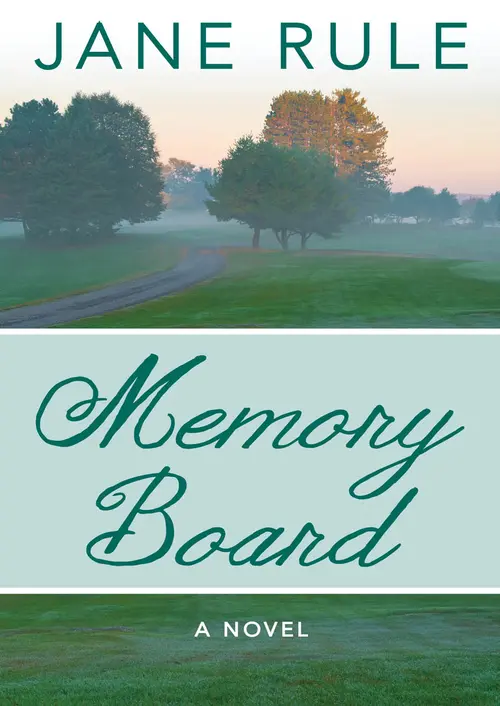
Memory Board
Chapters (17)
Cover

EARLY BIRD BOOKS
FRESH EBOOK DEALS, DELIVERED DAILY
LOVE TO READ?
LOVE GREAT SALES?
GET FANTASTIC DEALS ON BESTSELLING EBOOKS
DELIVERED TO YOUR INBOX EVERY DAY!


Dedication
for Eileen and John
— 1 —
‘OUR FATHER DIED IN childbirth,’ wrote David Crown, bearer of bad news (retired), as he sat with his hearing aid turned off at his desk in what had been the ironing room in the basement of his own house. It was an old line, one Diana, his twin, had found melodramatic and inaccurate rather than funny. Their father had been killed in a car accident on his way to hospital where their mother was already in labour. David used it again just the same, uncertain about whether he was writing it down for himself or Diana. Might she be able to hear it differently now, as a kind of cosmic joke on them both? But cosmic jokes had never been on them both. Throughout their childhood, years after they were a pair of bundled babies their mother didn’t always dress in pink and blue, people asked if they were identical twins, a stupidity which enraged David because for Diana it was a joke on him without offence to herself.
It was David who had developed an obsession about being a twin. He read that in nearly every culture twins were bad omens. In some cultures certain foods were proscribed for pregnant women to avoid multiple birth; David used to know which kinds just as he knew the curses twins had brought down and the tribes in which they were routinely killed at birth, one or both of them.
‘Well, they would have killed me,’ Diana said. ‘Why worry about it?’
Because for the first twelve years their birthday was also for their mother the anniversary of her young husband’s death, there was always something morbid about the fuss. After that, when she married again and had two more sons, it became a kind of apology to the twins, the unfortunates she didn’t know how to bring out of the shadow of her old grief into the light of her new life. It was a day for propitiating rituals and burnt offerings, against floods, earthquakes and fires their neglected adolescence might otherwise bring down on the new little family.
Appalled at being deposed by a stepfather, David clung to that mythic sense of himself as twin. But what he wanted of that sense was not identification but proof of absolute difference, to have a negative, a shadow self, a perfect inferior, available to him at all times when comparison was to his advantage, otherwise invisible. Later, contrite, he offered that description of himself to his sister.
‘Oh, D, you were never that bad. No five-year-old is that fully developed a male chauvinist pig.’