Chapters (26)
- Cover
- Title
- Dedication
- FOREWORD
- INTRODUCTION
- CHAPTER ONE
- CHAPTER TWO
- CHAPTER THREE
- CHAPTER FOUR
- MEET YOUR . . .
- MEET YOUR . . .
- MEET YOUR . . .
- MEET YOUR . . .
- MEET YOUR . . .
- MEET YOUR . . .
- MEET YOUR . . .
- MEET YOUR . . .
- MEET YOUR . . .
- MEET YOUR . . .
- CHAPTER FIVE
- CONCLUSION
- SOURCES
- DOGS IN THIS BOOK
- ACKNOWLEDGMENTS
- ABOUT THE AUTHOR
- Chronicle Ebooks
Away from the hunt, sight hounds maintained a gentler character that ensured their continuing popularity among the elite and noble classes. Today, given their intact predatory instincts, sight hounds are far from ideal candidates for off-leash adventures. But they are still among the most charmingly refined and enjoyable companions for indoor lifestyles. They are as content to lie at the foot of your recliner today as they were at the thrones of ancient rulers thousands of years ago. Given the occasional opportunity to follow his natural instinct to run at top speed or course an unsuspecting rabbit through a field, a sight hound is a highly agreeable dog, well suited to the expectations of many pet owners in the modern age.
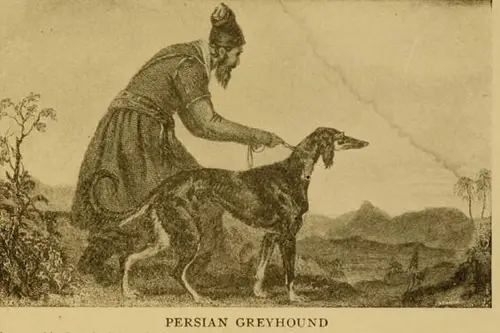
The Dog Book: A Popular History of the Dog, with Practical Information as to Care and Management Of House, Kennel, and Exhibition Dogs; And Descriptions of All the Important Breeds (1906, Doubleday).
Upbringing
If you find yourself in the position of rearing a sight-hound puppy on your own, you’ll want to keep a few things in mind. A more-the-merrier approach to socialization (with both people and other animals) could potentially create negative, overwhelming experiences for your dog. And a sink-or-swim philosophy regarding all of the stimulation of the modern world could put your refined fellow over the edge. He will need to be socialized while respected as the dog that he is—royally reserved compared to many other modern dog breeds—rather than expected to be like his more gregarious and demonstrative wildling cousins.
If pummeled by a sweet Labrador puppy in play group, your sight hound may be aghast, and decide that all other dogs are horrifically dangerous ruffians. Nor will he learn to love children via exposure to your toddler nieces if they manhandle him like a doll on Easter Sunday. The upper-class standing he carries in his DNA is almost palpably apparent as he appears offended by many common behaviors exhibited socially by humans and dogs. Be very deliberate about your dog’s experiences, and take it slow, until he concludes his world is a tolerable place.
If you protect him from the rudeness of others throughout his early months and beyond, he’ll be gracious and patient with you. Also, do acclimate him, pleasantly, to those invasive and uncomfortable necessary evils that inevitably arise at groomers and vets in the years to come.
His one great genetic temptation to lose all poise will arise when he has the opportunity to hunt. In those first months of life, you should expose him to smaller creatures—dogs, cats, bunnies, and other critters—under controlled circumstances in order to introduce them as social counterparts rather than something to hunt.