Chapters (57)
- REGENCY ERA PRAISE FOR…
- MANSFIELD PARK AND MUMMIES:
- Dedication
- MANSFIELD PARK AND MUMMIES
- Chapter I
- Chapter II
- Chapter III
- Chapter IV
- Chapter V
- Chapter VI
- Chapter VII
- Chapter VIII
- Chapter IX
- Chapter X
- Chapter XI
- Chapter XII
- Chapter XIII
- Chapter XIV
- Chapter XV
- Chapter XVI
- Chapter XVII
- Chapter XVIII
- Chapter XIX
- Chapter XX
- Chapter XXI
- Chapter XXII
- Chapter XXIII
- Chapter XXIV
- Chapter XXV
- Chapter XXVI
- Chapter XXVII
- Chapter XXVIII
- Chapter XXIX
- Chapter XXX
- Chapter XXXI
- Chapter XXXII
- Chapter XXXIII
- Chapter XXXIV
- Chapter XXXV
- Chapter XXXVI
- Chapter XXXVII
- Chapter XXXVIII
- Chapter XXXIX
- Chapter XL
- Chapter XLI
- Chapter XLII
- Chapter XLIII
- Chapter XLIV
- Chapter XLV
- Chapter XLVI
- Chapter XLVII
- Chapter XLVIII
- APPENDIX
- APPENDIX 2
- Author’s After-Note
- About the Harridan
- Scholarly Footnotes
With so much true merit and true love, and no want of fortune and friends, the happiness of the married cousins must appear as secure as earthly happiness can be. Equally formed for domestic life, and attached to country pleasures, their home was the home of affection and comfort; and to complete the picture of good, the acquisition of Mansfield living, by the death of Dr. Grant, occurred just after they had been married long enough to begin to want an increase of income, and feel their distance from the paternal abode an inconvenience.
On that event they removed to Mansfield; and the Parsonage there, which, under each of its two former owners, Fanny had never been able to approach but with some painful sensation of restraint or alarm, soon grew as dear to her heart, and as thoroughly perfect in her eyes, as everything else within the view and patronage of Mansfield Park had long been.
Before we leave our Loyal Reader in a reverie of so final and delightful thoughts, one thing more must be imparted. What of the fate of the remaining mummies?
With the passing of the great Pharaoh into the calm Eternity at long last, his minions—truly liberated from his supernatural will and rule—continued in their own places wherever they had been scattered in this great land.
Some were seen in Brighton, many in Bath, some in London, others, lumbering merrily along the countryside, were taken for scarecrows in the fields—the same fields that had been noted to be haunted by a terrifying spectre, the infamous Brighton Duck (an unlikely theory, since the same duck was often simultaneously said to have been seen in other distant locales, with the only explanation being that possibly, it had somehow bred). A great deal more had succeeded in overrunning Portsmouth to the point of it being generally known as a mummy terror for its citizens (the Price family had long since moved). This went on until, verily, one fine spring, a number of them, quite as windblown as real sailors by all appearance, were made an offer to enlist in the Royal Navy. Indeed, some even ended up on William’s own ship the Thrush.
The mummies served as fine midshipmen, working earnestly on the high seas, and occasionally taking sips of their fellow sailors—a number of them making their way, it was rumored, back to their home continent of Africa, and then onward to Egypt.
And in all of this, not a single mummy more was ever seen at Mansfield Park.
The End
APPENDIX
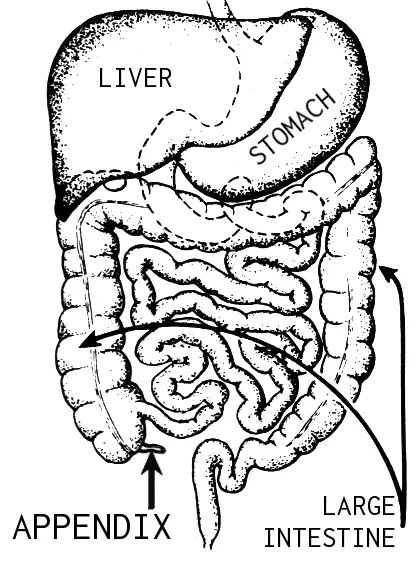
Figure 1
APPENDIX 2
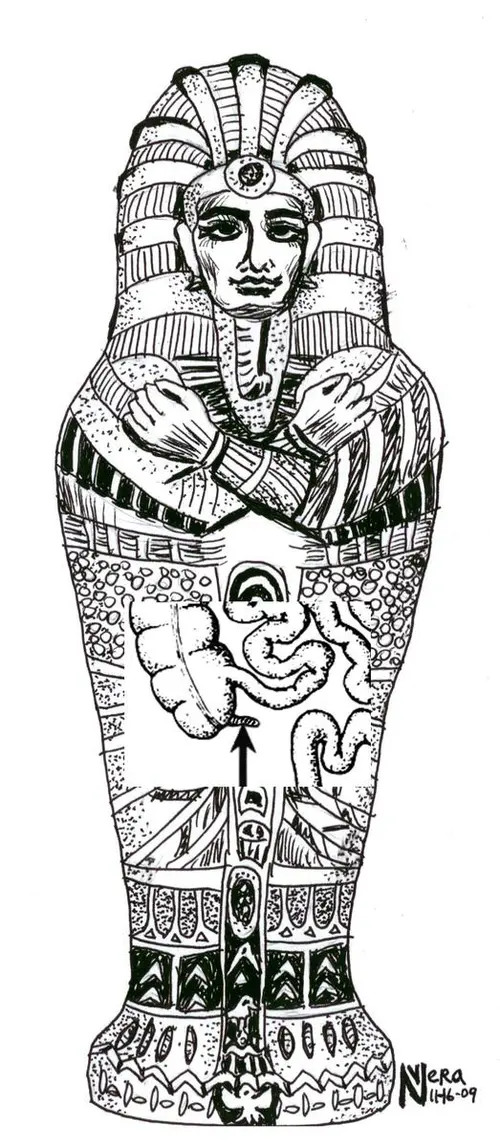
Figure 2: After Mummification
Author’s After-Note
Gentle Reader—
No, this is not she, but the other—the shameless harridan who has taken it upon herself to take up pen and mangle Miss Austen’s deathless (but never undead), perfectly civil, delightfully romantic, pointedly sarcastic, and by all accounts immortal prose, with the crass additions of her own fired imagination.