Chapters (48)
- COVER PAGE
- TITLE PAGE
- EPIGRAPH
- PRAISE
- ACKNOWLEDGMENTS
- MAP
- PROLOGUE
- CHAPTER ONE
- CHAPTER TWO
- CHAPTER THREE
- CHAPTER FOUR
- CHAPTER FIVE
- CHAPTER SIX
- CHAPTER SEVEN
- CHAPTER EIGHT
- CHAPTER NINE
- CHAPTER TEN
- CHAPTER ELEVEN
- CHAPTER TWELVE
- CHAPTER THIRTEEN
- CHAPTER FOURTEEN
- CHAPTER FIFTEEN
- CHAPTER SIXTEEN
- CHAPTER SEVENTEEN
- CHAPTER EIGHTEEN
- CHAPTER NINETEEN
- CHAPTER TWENTY
- CHAPTER TWENTY-ONE
- CHAPTER TWENTY-TWO
- CHAPTER TWENTY-THREE
- CHAPTER TWENTY-FOUR
- CHAPTER TWENTY-FIVE
- CHAPTER TWENTY-SIX
- CHAPTER TWENTY-SEVEN
- CHAPTER TWENTY-EIGHT
- CHAPTER TWENTY-NINE
- CHAPTER THIRTY
- CHAPTER THIRTY-ONE
- CHAPTER THIRTY-TWO
- CHAPTER THIRTY-THREE
- CHAPTER THIRTY-FOUR
- CHAPTER THIRTY-FIVE
- CHAPTER THIRTY-SIX
- CHAPTER THIRTY-SEVEN
- CHAPTER THIRTY-EIGHT
- ABOUT THE AUTHOR
- COPYRIGHT PAGE
- What’s next onyour reading list?
“James Webb has rehabilitated the idea of the American hero—not John Wayne, to be sure, but every man, caught up in circumstances beyond his control, surviving the blood, dreck, and absurdity with dignity and even a certain elan. Fields of Fire is an antiwar book, yes, but not naively, dumbly anti-soldier or anti-American. . . . Webb pulls off the scabs and looks directly, unflinchingly on the open wounds of the Sixties.”
—The Philadelphia Inquirer
“Webb’s book has the unmistakable sound of truth acquired the hard way. His men hate the war; it is a lethal fact cut adrift from personal sense. Yet they understand that its profound insanity, its blood and oblivion, have in some way made them fall in love with battle and with each other.”
—Time
PRAISE FOR JAMES WEBB’S
The Emperor’s General
“This compelling, fascinating exercise of historical fiction proves, again, that James Webb is as fine a novelist as he was a Marine. Enough said.”
—George F. Will
“A rich, sweeping epic of a novel . . . an absolute winner.”
—Nelson DeMille
“James Webb offers it all . . . a page-turning tour de force that examines our morality and makes us question what we ourselves would have done.”
—Nicholas Sparks, author of The Notebook and Message in a Bottle
“Webb writes history with an urgency and clarity that makes it pop from the page.”
—The Washington Post Book World
“A seamless tapestry of history and fiction . . . a truly enthralling work.”
—The Hartford Courant
ACKNOWLEDGMENTS
ACKNOWLEDGMENTS
A special thanks to Nita Taublib, Katie Hall, and Tracy Devine, who shared my passion for this book and made it happen.
And to my family, for enduring the odd world of a writer.
And to my many Vietnamese friends, both in Viet Nam and overseas, whose struggles, insights, hopes, and affection fueled these pages.
Arlington, Virginia
February 2001
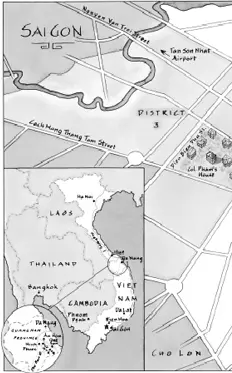
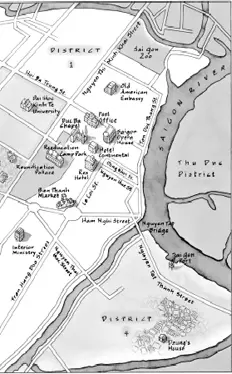
MAP
PROLOGUE
PROLOGUE
The Arabat,
Moscow, Russia
A fat, brightly smiling woman in a tattered cloth coat stood on the landing where the steps came up from the subway, waving her hands into the air so that the puppies at her feet would dance. They were happy little dogs, eight in total, each one thick-furred and multicolored, of some unknown Arctic breed. The woman was trying to sell them to the tourists who were exiting from the subway to the street.
Anatolie Petrushinsky grunted cynically as he watched the well-dressed westerners move quickly past the woman. Not one of them so much as looked at her fuzzy little dogs. Foolish woman, he thought. Or maybe she has sold everything else already. But she would have done better to kill the puppies and make them into hats. For why would a German or an Englishman or especially an American want to bring a live dog home?