Chapters (16)
- Cover
- Dedication
- Se pa tout blesi ki geri
- Sa ki bon avèk yon kè, sè ke li pa pote jijman
- Se lè yon sous seche, moun konn valè dlo
- Di m’ sa ou renmen, epi m’ava di ou ki moun ou ye
- Vrè lanmou pa konn danje
- Manman Poul grate, grate jouk li jwenn zo grann li
- Acknowledgments
- Readers Guide
- Beyond the Talented TenthAn Essay by Kaitlyn Greenidge
- Black Motherhood as Literary CreationAn Interview with Kaitlyn Greenidgeby Liz Button
- Questions for Discussion
- Also by Kaitlyn Greenidge
- About the Author
- Praise for Libertie
1. Libertie grew out of Kaitlyn Greenidge’s research about Dr. Susan Smith McKinney Steward and her daughter. Why do you think she chose to write this as fiction rather than nonfiction? How does that affect what you take away from the novel?
2. How does Cathy Sampson’s skin color affect what she is able to do? How does Libertie’s darker skin influence her perspective on the world?
3. Ben Daisy tells Libertie that his girlfriend “said if she were ever free, she’d spend all day covered in silk and she’d paint her face pretty . . . It wasn’t man’s work she’d do with freedom. Not like your mama. She knew better than that.” And Emmanuel Chase also has a specific definition of freedom in relation to women. How is freedom defined in the novel by men? How is it defined by women?
4. After such a clear passion for medicine and for following her mother’s path, Libertie changes her mind and decides she does not ever want to become a doctor. Why? What compromises does Cathy Sampson make when she opens the hospital?
5. Discuss the role of the Graces. In what ways do they influence Libertie?
6. Why doesn’t Cathy want Libertie to marry Emmanuel Chase? She says to Libertie, “You chose your body over your mind.” Do you agree with her assessment of Libertie’s decision? What does she fear for her daughter?
7. Emmanuel Chase promises a new life for Libertie, but she confronts a number of secrets about his family’s history once they move to Haiti. How did you end up feeling about Emmanuel?
8. Ella and Libertie have an initially hostile relationship, but over time, their relationship deepens as Libertie comes to understand her. How did you feel about Ella? What about the garment she embroiders— what does this reveal about Ella, about history, and about who tells it?
9. How did you end up feeling about Haiti?
10. What is Ti Me’s role in the novel? What does she teach Libertie?
11. In many ways, this novel is about the relationship between mothers and their children. Discuss Cathy and Libertie’s dynamic, and what Libertie hopes for her own children. Did you feel more drawn to Cathy or to Libertie?
12. Libertie is named by her father “in honor of the bright, shining future he was sure was coming.” How do you feel about Libertie’s future by the close of the novel? How do you feel about her final choice to return to America?
Also by Kaitlyn Greenidge
Also by Kaitlyn Greenidge
We Love You, Charlie Freeman
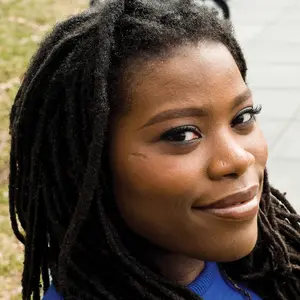
About the Author