Chapters (27)
- Title Page
- Copyright Notice
- Dedication
- CHAPTER ONE
- CHAPTER TWO
- CHAPTER THREE
- CHAPTER FOUR
- CHAPTER FIVE
- CHAPTER SIX
- CHAPTER SEVEN
- CHAPTER EIGHT
- CHAPTER NINE
- CHAPTER TEN
- CHAPTER ELEVEN
- CHAPTER TWELVE
- CHAPTER THIRTEEN
- CHAPTER FOURTEEN
- CHAPTER FIFTEEN
- CHAPTER SIXTEEN
- CHAPTER SEVENTEEN
- CHAPTER EIGHTEEN
- CHAPTER NINETEEN
- EPILOGUE
- AUTHOR’S NOTE
- Also by Eliot Pattison
- ABOUT THE AUTHOR
- Newsletter Sign-up
One of those venerable traditions that have always fascinated me is that of the hailchasers. For centuries these weather charmers, who were often trained as rigorously as Tibet’s acclaimed medical doctors, roamed the land, consulting and placating the earth deities to protect farmers and herders. Elaborate festivals, with roots in pre-Buddhist Tibet, were often staged in monastic centers to honor those deities in the hope of avoiding the land’s violent, sometimes fatal, hailstorms and earthquakes. Some in Tibet suggest that the failure to keep harmony with such deities is why its landscape has been so ravaged in recent decades. Mountain ranges have been stripped of their fertile forests, huge mines have depleted their minerals, and the land’s unique wildlife decimated. Major new dams are being built at a frantic pace to power Chinese cities in the east, without meaningful environmental assessment. Some Tibetans in remote regions have been abruptly introduced to the twenty-first century by the arrival of clearcutting timber crews and bulldozers that scrape away the mountain that had always been home to their protective deity.
As I immersed myself in these modern Tibetan realities while writing the Inspector Shan series I came to see Tibet as a vital barometer of our own humanity. The rest of the world too often turns a blind eye to the oppression that occurs there and in neighboring Xinjiang Province, preferring to focus its moral outrage on issues that pale in comparison to the abject human rights abuses of this struggling region. Those abuses diminish all of us. We can’t fight for human rights in one place, in one political context, and not fight for them everywhere. The most profound lesson of all from Inspector Shan is that the Tibetan journey has become our journey too.
:Lha gyal lo, Eliot Pattison
Also by Eliot Pattison
ALSO BY ELIOT PATTISON
THE INSPECTOR SHAN NOVELS
Skeleton God
Soul of the Fire
Mandarin Gate
The Lord of Death
Prayer of the Dragon
Beautiful Ghosts
Bone Mountain
Water Touching Stone
The Skull Mantra
ALSO
Bone Rattler
Eye of the Raven
Original Death
Blood of the Oak
Savage Liberty
Ashes of the Earth
ABOUT THE AUTHOR
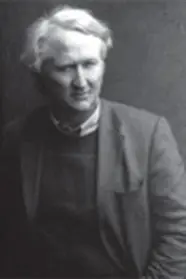
ELIOT PATTISON is the Edgar Award–winning author of nine previous Shan novels. A frequent visitor to China, he has written books and articles on international policy issues that have been published around the world. He lives on a colonial-era farm in Pennsylvania. You can sign up for email updates here.

Newsletter Sign-up
Thank you for buying this
St. Martin’s Press ebook.
To receive special offers, bonus content,
and info on new releases and other great reads,
sign up for our newsletters.

Or visit us online at
us.macmillan.com/newslettersignup
For email updates on the author, click here.