York
Chapters (47)
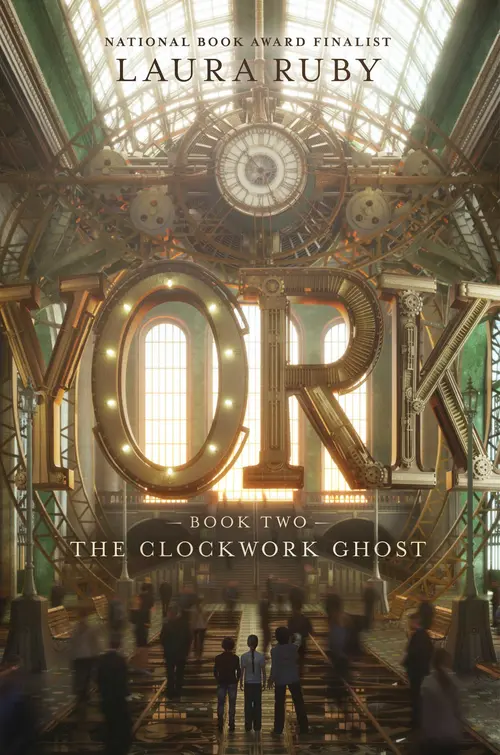
- Cover
- DEDICATION
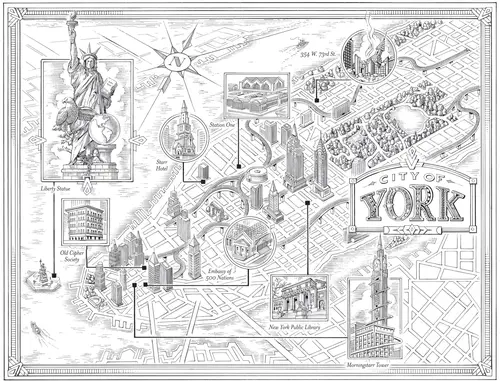
- MAP
- EPIGRAPH
- New York City
- New York City
- CHAPTER ONE
- CHAPTER TWO
- CHAPTER THREE
- CHAPTER FOUR
- CHAPTER FIVE
- CHAPTER SIX
- CHAPTER SEVEN
- CHAPTER EIGHT
- CHAPTER NINE
- CHAPTER TEN
- CHAPTER ELEVEN
- CHAPTER TWELVE
- CHAPTER THIRTEEN
- CHAPTER FOURTEEN
- CHAPTER FIFTEEN
- CHAPTER SIXTEEN
- CHAPTER SEVENTEEN
- CHAPTER EIGHTEEN
- CHAPTER NINETEEN
- CHAPTER TWENTY
- CHAPTER TWENTY-ONE
- CHAPTER TWENTY-TWO
- CHAPTER TWENTY-THREE
- CHAPTER TWENTY-FOUR
- CHAPTER TWENTY-FIVE
- CHAPTER TWENTY-SIX
- CHAPTER TWENTY-SEVEN
- CHAPTER TWENTY-EIGHT
- CHAPTER TWENTY-NINE
- CHAPTER THIRTY
- CHAPTER THIRTY-ONE
- CHAPTER THIRTY-TWO
- CHAPTER THIRTY-THREE
- CHAPTER THIRTY-FOUR
- CHAPTER THIRTY-FIVE
- Sunrise in Gotham Senior Living Center
- ACKNOWLEDGMENTS
- BACK ADS
- ABOUT THE AUTHOR
- BOOKS BY LAURA RUBY
- ABOUT THE PUBLISHER
Cover
DEDICATION
For my father, Richard Ruby
1939–2018
MAP
EPIGRAPH
What strange phenomena we find in a great city,
all we need do is stroll about with our eyes open.
Life swarms with innocent monsters.
—CHARLES BAUDELAIRE,
Paris Spleen: Little Poems in Prose
New York City
April 12th, 1844
If money could buy happiness, then the very richest New Yorkers should have been among the happiest people in the whole city. Or the whole world. Instead, they were often the most dissatisfied—those with the biggest and best things are always clamoring for something bigger and better. They scrambled for properties with the best views of the river, tickets to the best performances, meals in the best restaurants, invitations to dine with the most important people.
And no one in New York City was more important than the Morningstarr twins: engineers, inventors, geniuses with a reputation for serving delectable food and inviting the most eccentric guests to their table. At the Morningstarrs’, you never knew who might be sitting next to you: a fiery abolitionist, a circus soothsayer, a Swiss opera singer, a Chinese dignitary, a lady cellist, a lady pirate. You might hear Theodore Morningstarr arguing religious doctrine with a bishop, while Theresa Morningstarr championed the education of women with a university president, all while a mechanical suit of armor spooned out whipped potatoes. No matter who was on the guest list or what was planned for the evening, one thing was certain: Anyone who attended one of the Morningstarrs’ rare dinner parties was sure to have a story to tell.
But unlike most of the Morningstarrs’ guests, Miss Millicent “Millie” Munsterberg wasn’t thinking about the stories she would have to tell. No, the fifteen-year-old was pushing buttered carrots around her plate, wondering why she had to spend a perfectly nice Saturday evening with a bunch of bores and crackpots. Why, even the pretty young woman seated diagonally from her, wearing a plain but expensive silk dress, prattled for an hour about math and the design of some engine with an old man named Mr. Cabbage.
Math! An engine! What was wrong with these people?
“Millicent, dear,” said her mother from across the table. “Mrs. Hamilton asked you a question.”
“Who?” Miss Millie said.
Her mother’s mouth tightened. With her knife, she pointed to the wrinkled lady on Millie’s right.
“Oh,” said Miss Millie, turning to the sad old thing. “Yes. I’m so sorry, Mrs. Hammerston, I was concentrating on these most delicious root vegetables. You were saying?”
The woman opened her mouth to speak, but Millie’s mother said, “Mrs. Hamilton asked if you were interested in visiting her orphanage,” she said, in the tight voice she used when she wanted nothing more than to banish Millie to her room without supper forever.