Chapters (69)
- PROLOGUE: KERRICK
- BOOK ONE
- CHAPTER ONE
- CHAPTER TWO
- CHAPTER THREE
- CHAPTER FOUR
- CHAPTER FIVE
- CHAPTER SIX
- CHAPTER SEVEN
- CHAPTER EIGHT
- CHAPTER NINE
- CHAPTER TEN
- CHAPTER ELEVEN
- CHAPTER TWELVE
- CHAPTER THIRTEEN
- CHAPTER FOURTEEN
- CHAPTER FIFTEEN
- CHAPTER SIXTEEN
- CHAPTER SEVENTEEN
- CHAPTER EIGHTEEN
- CHAPTER NINETEEN
- CHAPTER TWENTY
- CHAPTER TWENTY-ONE
- CHAPTER TWENTY-TWO
- CHAPTER TWENTY-THREE
- CHAPTER TWENTY-FOUR
- CHAPTER TWENTY-FIVE
- CHAPTER TWENTY-SIX
- CHAPTER TWENTY-SEVEN
- BOOK TWO
- CHAPTER ONE
- CHAPTER TWO
- CHAPTER THREE
- CHAPTER FOUR
- CHAPTER FIVE
- CHAPTER SIX
- CHAPTER SEVEN
- CHAPTER EIGHT
- CHAPTER NINE
- CHAPTER TEN
- CHAPTER ELEVEN
- CHAPTER TWELVE
- CHAPTER THIRTEEN
- CHAPTER FOURTEEN
- CHAPTER FIFTEEN
- CHAPTER SIXTEEN
- CHAPTER SEVENTEEN
- CHAPTER EIGHTEEN
- CHAPTER NINETEEN
- CHAPTER TWENTY
- CHAPTER TWENTY-ONE
- CHAPTER TWENTY-TWO
- CHAPTER TWENTY-THREE
- CHAPTER TWENTY-FOUR
- CHAPTER TWENTY-FIVE
- CHAPTER TWENTY-SIX
- CHAPTER TWENTY-SEVEN
- CHAPTER TWENTY-EIGHT
- CHAPTER TWENTY-NINE
- CHAPTER THIRTY
- CHAPTER THIRTY-ONE
- CHAPTER THIRTY-TWO
- CHAPTER THIRTY-THREE
- THE WORLDWEST OF EDEN
- YILANÈ
- TANU
- ACKNOWLEDGMENTS
- ABOUT THE AUTHOR
- About this Title
DEER (Eutheria: Cervus mazama mazama): A small deer with antlers as unbranched spikes. It is found in great numbers in the North Temperate Zone. The Tanu value these creatures both for their meat and their skins. The hides are tanned to make clothing and small leather articles (e.g. moccasins [madrap] and bags).

ENTEESENAT (Sauropterygia: Elasmosaurus plesiosaurus): A predacious marine reptile well adapted to pelagic life and relatively unchanged since the Cretaceous period. They have small short heads and long snake-like necks. The paddle-like flippers are similar to those of the marine turtle. Newer varieties have been developed with greater cranial capacity that enable them to be trained to supply food for the larger uruketo (Icthyosaurus monstrosus mutatus).

EISEKOL (Eutheria: Trichechus latirostris mutatus): An herbivorous aquatic mammal which dredges for underwater plants in its original unaltered state. Gene manipulation has greatly increased the animal’s size so that it can be utilized for underwater channel clearing, as well as dredging.

ELINOU (Saurischia: Coelurosaurus compsognathus): A small and agile dinosaur, much appreciated by the Yilanè for its pursuit and destruction of small mammalian vermin. Because of its colorful markings and complaisant nature it is often given the status of a pet.

EPETRUK (Saurischia: Tyrannosaurus rex): The largest and most powerfully armed of the great carnosaurs. Over 40 feet long, the males weigh up to 7 tons. The forearms are small but strong. Because of its great weight it is quite slow, therefore attacks only the largest animals. A large amount of its diet is obtained by driving smaller carnivores from their kill.

GREATDEER (Eutheria: Alces machlis gigas): The largest of all the deer. It is distinguished from other members of the Cervidae by the spread of the impressive antlers of the males. Hunted by the Tanu, not only for its meat, but for its hide which is preferred for use in covering their tents.
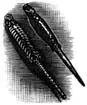
HÈSOTSAN (Squamiata: Paravaranus comensualis mutatus): This species of monitor lizard has been so modified that it now bears little resemblance to the original. Steam-generating glands from Brachinus beetles violently project a dart which is poisoned when it passes over the sex organs of a commensal Tetradontid fish. This poison, the most deadly known, produces paralysis and death when as little as 500 molecules are present.

LONGTOOTH (Metatheria: Machaerodus neogeus): Long-tusked member of the marsupial tiger family. A large and ferocious carnivore that uses its greatly extended upper canine teeth to bring down its prey. Some Kargu hunters have a commensal relationship with these beasts to aid them in hunting.

MASTODON (Eutheria: Mastodon amer icanus): A large mammal noted for its long upper tusks. It has a prehensile trunk reaching to the ground. Its domestication by the Tanu permits them to cover great distances when hunting and foraging, using the mastodons to pull large travois.
