The Teapot
Chapters (3)
Title
THE TEAPOT
By
HANS CHRISTIAN ANDERSEN
This edition published by Dreamscape Media LLC, 2017
1417 Timberwolf Drive, Holland, OH 43528
877.983.7326

About Hans Christian Andersen
About Hans Christian Andersen:
Hans Christian Andersen (2 April 1805 – 4 August 1875) was a Danish author. Although a prolific writer of plays, travelogues, novels, and poems, Andersen is best remembered for his fairy tales. Andersen's popularity is not limited to children; his stories, called eventyr in Danish, express themes that transcend age and nationality.
Andersen's fairy tales, which have been translated into more than 125 languages, have become culturally embedded in the West's collective consciousness, readily accessible to children, but presenting lessons of virtue and resilience in the face of adversity for mature readers as well. Some of his most famous fairy tales include "The Emperor's New Clothes", "The Little Mermaid", "The Nightingale", "The Snow Queen", "The Ugly Duckling", "Thumbelina" and many more.
His stories have inspired ballets, animated and live-action films and plays.
Source: Wikipedia
The Teapot
The Teapot
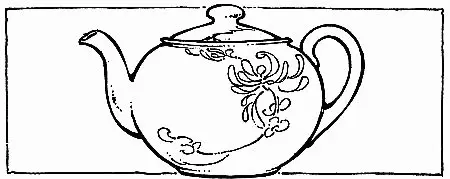
 HERE was once a proud teapot; it was proud of being porcelain, proud of its long spout, proud of its broad handle. It had something before and behind,—the spout before and the handle behind,—and that was what it talked about. But it did not talk of its lid, which was cracked and riveted; these were defects, and one does not talk of one's defects, for there are plenty of others to do that. The cups, the cream pot, and the sugar bowl, the whole tea service, would think much oftener of the lid's imperfections—and talk about them—than of the sound handle and the remarkable spout. The teapot knew it.
"I know you," it said within itself. "I know, too, my imperfection, and I am well aware that in that very thing is seen my humility, my modesty. Imperfections we all have, but we also have compensations. The cups have a handle, the sugar bowl a lid; I have both, and one thing besides, in front, which they can never have. I have a spout, and that makes me the queen of the tea table. I spread abroad a blessing on thirsting mankind, for in me the Chinese leaves are brewed in the boiling, tasteless water."
All this said the teapot in its fresh young life. It stood on the table that was spread for tea; it was lifted by a very delicate hand, but the delicate hand was awkward. The teapot fell, the spout snapped off, and the handle snapped off. The lid was no worse to speak of; the worst had been spoken of that.
The teapot lay in a swoon on the floor, while the boiling water ran out of it. It was a horrid shame, but the worst was that everybody jeered at it; they jeered at the teapot and not at the awkward hand.