Chapters (50)
- Front Cover
- Title Page
- Copyright
- Contents
- Part I
- Chapter One
- Chapter Two
- Chapter Three
- Chapter Four
- Chapter Five
- Chapter Six
- Chapter Seven
- Chapter Eight
- Chapter Nine
- Chapter Ten
- Chapter Eleven
- Chapter Twelve
- Chapter Thirteen
- Part II
- Chapter Fourteen
- Chapter Fifteen
- Chapter Sixteen
- Chapter Seventeen
- Chapter Eighteen
- Chapter Nineteen
- Chapter Twenty
- Chapter Twenty-One
- Chapter Twenty-Two
- Chapter Twenty-Three
- Chapter Twenty-Four
- Chapter Twenty-Five
- Chapter Twenty-Six
- Chapter Twenty-Seven
- Chapter Twenty-Eight
- Chapter Twenty-Nine
- Part III
- Chapter Thirty
- Chapter Thirty-One
- Chapter Thirty-Two
- Chapter Thirty-Three
- Chapter Thirty-Four
- Chapter Thirty-Five
- Chapter Thirty-Six
- Chapter Thirty-Seven
- Chapter Thirty-Eight
- Read on for a sneak peek at the next Violent Crime Investigations Team mystery!
- Chapter One
- Acknowledgments
- About the Author
- Back Cover
Eden suddenly remembered Woodhouse had also reviewed the Hart case. She went back through the file slowly, page by page. The first time through, she didn’t see any notes. When she looked a second time, she saw a single word on the backside of the medical examiner’s report. Small, cursive letters in the same handwriting: “cnt” or “cvt.” Cunt? Probably not. Crude language is only found in investigation reports when it’s critical to a case, such as provocation for an argument. Also, such words are unlikely because police reports become official records and are subpoenable and discoverable by counsel. Container? Converter?
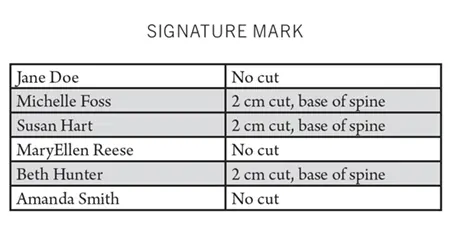
She flipped the page and reread the report. The text described other identifying marks found on Susan Hart’s body. Scrape on left side of face, presumably made when the victim fell face-forward to the ground. Broken skin on fingertips as the victim clawed at the cord. Bruise on her lower back where assailant braced his knee to tighten the cord. Near the bottom of the page, a single entry: “Two-centimeter cut near base of spine, made with sharp-bladed instrument.” The handwritten word was “cut.”
Eden found the photo of Susan Hart’s back. The cut was difficult to see, and Eden might have missed it if she were not searching for it. The pencil-thin line had darkened in the hours and days after death. How would such a wound occur? Had the assailant threatened her with a knife or cut her from behind when he approached? If that were true, the wound would contain clothing fibers noted in the medical examination, which it didn’t, according to the forensic report. Besides, both the assailant’s hands would need to be free to use the cord.
She remembered Kinsella talking about Robert Keppel, who interviewed Ted Bundy and wrote a book on what he called “signature killers.” These killers leave behind a distinctive mark or object that goes beyond what is necessary to commit the crime. Keppel called them “psychological calling cards,” or signatures, and noted they were sometimes left after the murder was committed.
Eden checked the medical examiner’s reports for the other women. None contained mention of a similar cut. Getting up from her desk, she went to the supply closet, where she remembered seeing a magnifying glass. She returned to her desk, picked up the victim files and laptop, and walked down the hallway to the interview room.
Closing the door, she set to work on the table. She found photos of the backs of each of the victims and laid them side by side. With the magnifying glass, she searched the spot just below the base of the spine in each photo. No marks appeared in the photos of MaryEllen Reese and Amanda Smith. But on Michelle Foss and Beth Hunter, a line was visible. Eden measured the lines and found each to be exactly two centimeters. Opening her laptop, she added the information to the spreadsheet.