Chapters (71)
 |
Virtue 1: Gi – Rectitude Gi is the ability to make the right decision with moral confidence and to be fair and equal towards all people no matter what colour, race, gender or age. |
|
 |
Virtue 2: Yu – Courage Yu is the ability to handle any situation with valour and confidence. |
|
 |
Virtue 3: Jin – Benevolence Jin is a combination of compassion and generosity. This virtue works together with Gi and discourages samurai from using their skills arrogantly or for domination. |
|
 |
Virtue 4: Rei – Respect Rei is a matter of courtesy and proper behaviour towards others. This virtue means to have respect for all. |
|
 |
Virtue 5: Makoto – Honesty Makoto is about being honest to oneself as much as to others. It means acting in ways that are morally right and always doing things to the best of your ability. |
|
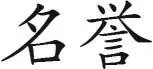 |
Virtue 6: Meiyo – Honour Meiyo is sought with a positive attitude in mind, but will only follow with correct behaviour. Success is an honourable goal to strive for. |
|
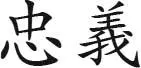 |
Virtue 7: Chungi – Loyalty Chungi is the foundation of all the virtues; without dedication and loyalty to the task at hand and to one another, one cannot hope to achieve the desired outcome. |
A Short Guide to Pronouncing Japanese Words
Vowels are pronounced in the following way:
‘a’ as the ‘a’ in ‘at’
‘e’ as the ‘e’ in ‘bet’
‘i’ as the ‘i’ in ‘police’
‘o’ as the ‘o’ in ‘dot’
‘u’ as the ‘u’ in ‘put’
‘ai’ as in ‘eye’
‘ii’ as in ‘week’
‘ō’ as in ‘go’
‘ū’ as in ‘blue’
Consonants are pronounced in the same way as English:
‘g’ is hard as in ‘get’
‘j’ is soft as in ‘jelly’
‘ch’ as in ‘church’
‘z’ as in ‘zoo’
‘ts’ as in ‘itself’
Each syllable is pronounced separately:
A-ki-ko
Ya-ma-to
Ma-sa-mo-to
Ka-zu-ki