Chapters (48)
- Cover
- Title
- Copyright
- Dedication
- Prologue
- Chapter One
- Chapter Two
- Chapter Three
- Chapter Four
- Chapter Five
- Chapter Six
- Chapter Seven
- Chapter Eight
- Chapter Nine
- Chapter Ten
- Chapter Eleven
- Chapter Twelve
- Chapter Thirteen
- Chapter Fourteen
- Chapter Fifteen
- Chapter Sixteen
- Chapter Seventeen
- Chapter Eighteen
- Chapter Nineteen
- Chapter Twenty
- Chapter Twenty-One
- Chapter Twenty-Two
- Chapter Twenty-Three
- Chapter Twenty-Four
- Chapter Twenty-Five
- Chapter Twenty-Six
- Chapter Twenty-Seven
- Chapter Twenty-Eight
- Chapter Twenty-Nine
- Chapter Thirty
- Chapter Thirty-One
- Chapter Thirty-Two
- Chapter Thirty-Three
- Chapter Thirty-Four
- Chapter Thirty-Five
- Chapter Thirty-Six
- Chapter Thirty-Seven
- Epilogue
- Acknowledgments
- Discover More
- About the Author
- Praise forThe Midnight Ride
- Also by Ben Mezrich
“These important and powerful Bostonians at some fancy breakfast decided that they needed to replace some strange, rotting memorial built on the misnamed battlefield of some minor battle, and they came up with a massive Egyptian obelisk?”
“It’s more oblique than that,” Adrian said. “The original memorial wasn’t for the battle itself, or for some famous war hero, like George Washington, or even Lafayette. It was built to honor Dr. Joseph Warren.”
“Who?” Nick asked.
“Exactly. Warren was a physician in Boston who became a spy in the early days of the war. Right before the Battle of Bunker Hill he was made a major general of the fledgling Revolutionary army—and was promptly killed in his first foray, right here on this spot. Not exactly heroic; in fact, his greatest claim to fame had nothing to do with Bunker Hill. He’s really known for one thing—on the night of April 18, 1775, just two short months before his death, he was the person who sent Paul Revere off on his famous midnight ride.”
“And he gets this monument,” Nick said, glancing up toward the granite above them.
“And a tavern nearby,” Adrian said.
“And what does Revere get?” Hailey asked. “A poem?”
Nick focused on the column again, and the urn on top.
“Who built this thing, anyway? Twenty years before the obelisk?”
“On top of being a spy,” Adrian said, “Warren was also a Freemason. The memorial was built by the local Masonic chapter, King Solomon’s Lodge. If you look closely at the urn, you can see the Masonic symbol—a square and compass, tools of the masonic craft.”
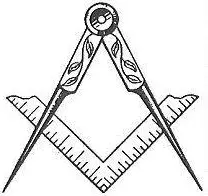
“Masons,” Hailey said. “It’s like a cult, right? Goes back hundreds of years?”
Adrian shrugged.
“Cult, guild, secret society—the kind of people who carve weird symbols into urns and build giant obelisks. The Masons have a strange and complicated history that goes back a long time, and a lot of what you hear about them is probably just fiction, but there’s no question that many prominent people who were involved in putting our country together were members. There’s a pyramid with an eye on top of it right on the back of a dollar bill.”
Hailey moved closer to the structure. A slight tremble was moving through her body, her thoughts coalescing.
“I don’t think you can write this entire monument—a massive obelisk towering over the city of Boston—off as a Masonic tribute to an interesting, if barely historic, member.”
Nick looked at her. The professor might have been staring as well, but she didn’t turn to see—instead, she shrugged, even though she was about to say something crazy.
“What if this—all of this—had a purpose?”