Solstice
Chapters (62)
Cover
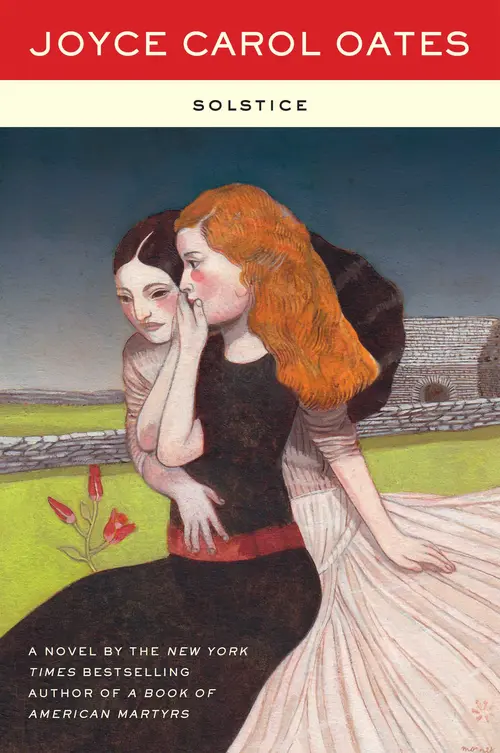
Dedication
This book is for S., the only begetter—
Epigraph
After great pain, a formal feeling comes—
The Nerves sit ceremonious, like Tombs—
The stiff Heart questions was it He, that bore,
And Yesterday, or Centuries before?
The Feet, mechanical, go round—
Of Ground, or Air, or Ought—
A Wooden way
Regardless grown,
A Quartz contentment, like a stone—
This is the Hour of Lead—
Remembered, if outlived,
As Freezing persons, recollect the Snow—
First—Chill—then Stupor—then the letting go—
—Emily Dickinson, 1862
I.
The Scar
1
It was on a mild, fragrant evening in late September, several weeks after she had moved to Glenkill, Pennsylvania, to begin teaching at the Glenkill Academy for Boys, that Monica Jensen was introduced to Sheila Trask at a crowded reception in the headmaster’s residence. And the meeting was so awkward, her own response so lacking in brilliance or distinction, Monica could never have predicted that Sheila Trask would remember her or even that they would see each other again.
From the very first, when she visited Glenkill to be interviewed for her position the previous spring (as one, she uneasily gathered, of a half-dozen candidates of “superior qualifications”), Monica had been aware that the artist Sheila Trask lived most of the year in the Glenkill area. She owned one of the old Bucks County estates, an early-nineteenth-century house called Edgemont, which her husband, the sculptor Morton Flaxman, had left her. So far as Monica knew Sheila Trask had only a minor national reputation but she seemed to enjoy a certain local celebrity—though it might have been notoriety.