Chapters (8)
Snake-bites were frequent, but although I lost oxen and dogs from snake-bite I never lost a human patient from them. The spitting cobra caused pain and distress; I still have before me the picture of an old squatter woman staggering up to the house wailing and blind after having her face spat in while cutting wood in the forest – she must have been chopping with her mouth wide open, for her tongue and gums were swollen to suffocation and had turned a deadly pale blue. But the effect of the poison could be relieved with bicarbonate and oil and would pass after a while.
Fashion – the ambition to be comme il faut – made itself felt in the ailments on the farm, as in other departments of Native life. At one time the truly chic thing was to
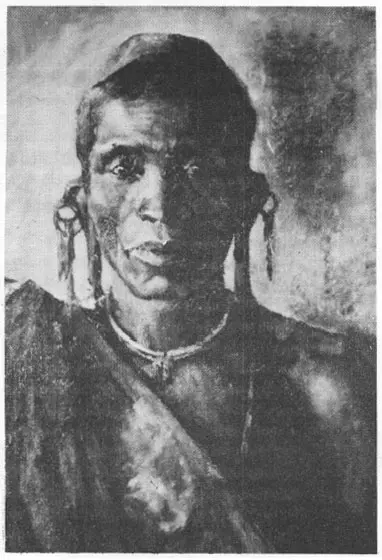
Caption: Aweru, an old Kikuyu squatter of the farm
come to the house for worm-medicine. I did not myself taste the mixture, which looked very nasty in its bottle, like green slime, but the people, old and young, drank it down with pride. After a while I warned my patients that I had no faith in their need of worm-medicine, and that if they wanted to go on taking it as an apéritif they would in the future have to pay for it themselves – and I thereby put an end to that particular kind of dandyism. A very old squatter a couple of years later presented himself at the house and begged to have the ‘green medicine’. His wife, he informed me, had got a nyoka – which word really means a snake – in her stomach, and at night it would roar so loudly that neither he nor she could sleep. On my doorstep he looked démodé, the last adherent to a fashion of the past.
My patients and I thus worked together in good understanding. Only one shadow lay over the terrace: that of the hospital. During my early days in Africa, till the end of the First World War, the shadow was light like that of trees in spring; later on it grew and darkened.
For some of my years on the farm I had been holding the office of fermier général there – that is, in order to save the Government trouble I collected the taxes from my squatters locally and sent in the sum total to Nairobi. In this capacity I had many times had to listen to the Kikuyu complaining that they were made to pay up their money for things which they would rather have done without: roads, railways, street lighting, police – and hospitals.