25 Library Terrace
Half Title

Also By Natalie Fergie
Also By Natalie Fergie
The Sewing Machine
Title Page

Copyright
First published in the UK in 2025 by

An imprint of Bonnier Books UK
5th Floor, HYLO, 105 Bunhill Row,
London, EC1Y 8LZ
Copyright © Natalie Fergie, 2025
No part of this publication may be reproduced, stored or transmitted in any form or by any means, electronic, mechanical, photocopying or otherwise, without the prior written permission of the publisher.
The right of Natalie Fergie to be identified as Author of this work has been asserted by them in accordance with the Copyright, Designs and Patents Act, 1988.
This is a work of fiction. Names, places, events and incidents are either the products of the author’s imagination or used fictitiously. Any resemblance to actual persons, living or dead, or actual events is purely coincidental.
A CIP catalogue record for this book is available from the British Library.
ISBN: 9781471419430
Also available as a paperback and an audiobook
Typeset by IDSUK (Data Connection) Ltd
The authorised representative in the EEA is Bonnier Books
UK (Ireland) Limited.
Registered office address: Floor 3, Block 3, Miesian Plaza,
Dublin 2, D02 Y754, Ireland
Dedication
For librarians, everywhere
Contents
2011
Chapter 1
Chapter 2
1908
Chapter 3
1910
Chapter 4
Chapter 5
Chapter 6
Chapter 7
Chapter 8
Chapter 9
Chapter 10
Chapter 11
Chapter 12
Chapter 13
Chapter 14
Chapter 15
Chapter 16
Chapter 17
Chapter 18
Chapter 19
Chapter 20
Chapter 21
Chapter 22
Chapter 23
Chapter 24
Chapter 25
Chapter 26
Chapter 27
Chapter 28
Chapter 29
Chapter 30
1921
Chapter 31
1931
Chapter 32
Chapter 33
Chapter 34
Chapter 35
Chapter 36
Chapter 37
Chapter 38
Chapter 39
Chapter 40
Chapter 41
Chapter 42
Chapter 43
Chapter 44
Chapter 45
Chapter 46
Chapter 47
Chapter 48
Chapter 49
1951
Chapter 50
2011
Chapter 51
Chapter 52
Chapter 53
Chapter 54
Chapter 55
Chapter 56
Chapter 57
Chapter 58
Chapter 59
Chapter 60
Chapter 61
Chapter 62
Chapter 63
Chapter 64
Chapter 65
Chapter 66
Chapter 67
Chapter 68
Chapter 69
Chapter 70
Chapter 71
Chapter 72
Chapter 73
Chapter 74
Chapter 75
Chapter 76
Chapter 77
2021
Chapter 78
Chapter 79
Chapter 80
2022
Chapter 81
Parkin
Acknowledgements
About the Author
About Embla Books
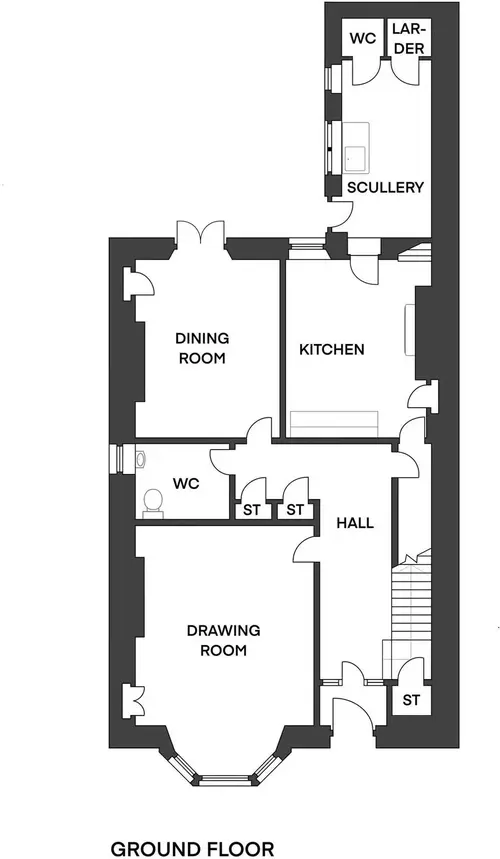
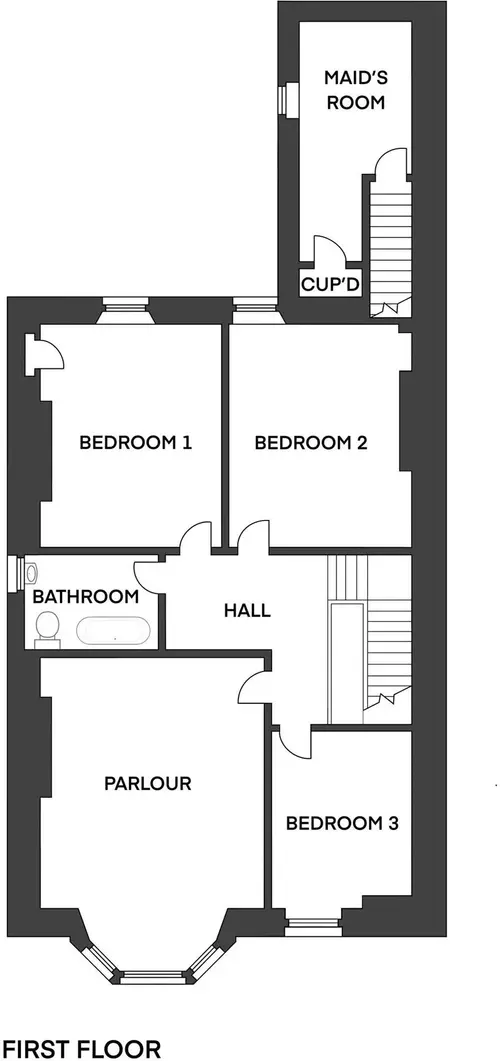
2011
Chapter 1
February 2011
Tess squeezes the trigger.
The drill screams into life. She lets it slow to a stop and dumps it onto the huge coffee table beside her recent purchases. ‘DIAMOND TIPPED’ proclaims the packaging, with a shooting star which reminds her of a toothpaste advert. She unwraps the drill bit with some difficulty and holds it up to the light. It must be a very small diamond, she thinks, glancing down at her left hand.
In the kitchen, she turns on the tap at the sink and squirts a healthy dollop of green washing-up liquid into her palm. She holds her hands under the icy stream and watches as a white froth of extravagant soapy bubbles appears. The ring spins on her finger, but it doesn’t come off. Too many doughnuts, she thinks. A cold ache, not dissimilar to the frozen feeling in her chest, begins to spread downwards to her fingers and upwards to her elbow. She twists the ring around and around until she is able to pull it over her knuckle and drop it into the sink.
Back at the coffee table she arranges the other items from her shopping trip. A fifty-metre roll of yellow masking tape, a tube of superglue and a pack of Brillo pads. Yellow reminds her of happy times. It’s the colour of custard and daffodils and good cheese. Blood red, for anger and pain, would have been more appropriate but the store hadn’t offered that option.
Patrick has ever so helpfully left the chuck key attached to the drill cable. She opens the jaws wide enough to insert the bit. As she tightens the chuck she gives the key a vengeful extra-tight twist and squeezes the trigger a second time. There is a bark from upstairs. Baxter, locked safely in the bathroom, is protesting.
A long time ago, when she was about six, her father had fitted a shelf in the family’s bathroom. He wasn’t what anyone would call a handyman, and he had therefore consulted the Biggest Ever Book of DIY, a hopeful, but underused, Christmas gift from her mother. She remembers that masking tape had been an essential piece of kit for the task.
Tess scrubs a corner of the immaculate, craftsman-made table with a Brillo pad until the oiled surface is back to naked wood. She leans down to table height and blows the pink powder away. Scissors make short work of the lid on the tube of superglue. She spreads it liberally across the back of Patrick’s phone, taking care to avoid the switches on the side. While she waits for the £400 device to bond permanently to the bare timber, she goes back to the kitchen, fills the kettle and waits for it to boil. From the window she looks out at the neatly mown front lawn which is his pride and joy.
Coffee made, she retrieves her engagement ring from the sink, and carries the mug back to the living room. Her hand shakes, but for once she leaves the splashes on the table where they land and doesn’t race for a cloth. The coffee is too hot to drink, and she puts the mug down without bothering to use a coaster. She turns the phone on, rips a couple of pieces of masking tape from the reel and arranges them in a cross, right over the messaging app Patrick uses. And then she puts the ring on top of the tape.
Her hand is surprisingly steady as she positions the point of the drill bit through the ring and exactly in the centre of the papery kiss. She squeezes the trigger again, and leans forward to add her body weight to the grind of the drill.
The Biggest Ever Book of DIY was right, she thinks, as the metal spike begins to split the yellow cross. This is not difficult at all. She pushes down, feeling the drill hesitate a little as it goes through the glass screen. It jumps slightly at the level of the components before it rushes downwards into the beautiful spalted ash. When the chuck is almost at the level of the screen, she stops.
The phone is skewered to the table by the drill, with the ring sandwiched between them, like a piece of modern art.
*
There is nothing else to be done. The carpets have been vacuumed, the bathroom scrubbed and taps polished, and the houseplants have been watered. She has tidied the garden, bagged up the last of the fallen leaves for mulch and dealt with the lawn. The last thing she does is to take her own phone back to factory settings. She can’t bear to look at it any longer.
It would be so easy to be vindictive, she thinks, as she stands on the doorstep and locks the door for the final time.
Baxter sits patiently on the path and she bends over to pick up his lead. ‘Come on, Bax. It was me who signed the adoption papers at the Dog and Cat Home, so there’s absolutely no doubt that you are all mine.’
She eyes the keyhole, the tube of superglue in her hand.
Chapter 2
February 2011
‘Good afternoon, M and P Legal.’
The solicitor’s receptionist is calm and competent, thinks Tess. The same attributes she tries to offer her clients. Correction. The attributes she tried to offer her clients. Past tense. She waits while another four calls are answered and put through before approaching the desk.
‘May I speak with Fiona Reid, please? I don’t have an appointment but I’m a friend. Sort of, anyway.’
‘I’ll check her diary for you.’ The receptionist wiggles the mouse on her desk and her eyes flick across the computer screen. ‘She’s due in court this afternoon. Let me just see if she’s in her office. Your name is?’
‘Tess Dutton.’
‘One moment, please.’
There is a discreetly muffled conversation.
‘She’ll be down in a few minutes.’ The receptionist looks at Baxter and smiles. ‘We don’t often have dogs visiting us.’
A few minutes later a slim woman arrives. Her formal suit and precise haircut are at odds with her words, which tumble out into the reception area in a chaotic rush.
‘Tess! I’ve been trying to get in touch with you for days. Is your phone not working? What on earth has happened?’
‘Hi, Fiona.’ Tess chooses just one of the questions to answer. ‘I’m OK, but I had to take a couple of weeks off.’ She gets the good news part out. ‘Don’t worry, I won’t leave you in the lurch, I just needed a bit of space to think.’
Fiona glances at her watch. ‘I don’t have much time. Can we do this at my place later?’
‘As long as the kids aren’t within earshot.’
‘How urgent is it?’
‘Fairly urgent. Today. This evening. Tomorrow. It can’t really wait any longer than that.’
‘Tonight then, about eight? They go to their dad’s at seven, so we’ll have the place to ourselves.’ She studies Tess. ‘You can’t give me some idea?’
Tess can feel her throat tightening. ‘I’ll explain tonight, but the short version is that I need somewhere to live, and that means Baxter as well.’
Fiona knows exactly what is required. ‘I’ll order pizza.’
*
Back in her office, Fiona picks up her phone and scrolls to the very bottom of her contacts list. She taps the screen.
The call is answered on the fourth ring.
‘Twenty-five.’
‘Hello, Georgia. It’s Fiona. I’m sorry to call you out of the blue, but I think I may have someone for you.’
‘I’m seventy-one, Fiona. I spend my days reading. I help my friend with his allotment and I write angry letters to politicians. I’m not sure I have either the time or the energy for anyone new. Not after the last time.’
‘I do understand, but our agreement is that I let you know as soon as possible, and make sure you’ve got all the information you need. I’ll see what else I can find out, and if you decide to go ahead, it’ll be Alasdair who deals with the arrangements, as usual.’
‘I’ll think about it over the weekend.’
‘Thank you. I wouldn’t ask if it wasn’t important.’
‘I know.’
The call ends.
Fiona sits at her desk for a few minutes, remembering.
1908
Chapter 3
March 1908
The yell could be heard from the street outside the house.
John Black stopped stroking his moustache and screwed up his eyes, trying to see past the piles of masonry and lead pipes lying in what would eventually be his front garden. The yell had become a scream of pain and it was heading in his direction.
A man covered in pale plaster dust appeared at the rectangular opening where the front door would soon hang, dragging a lad behind him. ‘Hurry!’ he shouted, and headed towards a standpipe in the street where he turned the tap on and let water flow out across the not-yet cobbled ground. Despite the noisy protests, he pushed the lad’s head under the gush.
‘Keep still! The water has to get into your eye.’ The screaming stopped as the scrawny lad spluttered and coughed. Every so often there was a gasp and a shout, but the man was determined to keep the lad’s head under the flow of water. A second boy of about the same age appeared.
‘Get a pail!’ the man demanded. ‘And make sure it’s empty.’
The boy vanished back inside the house and returned quickly with a heavy galvanised bucket, bashed about the rim.
The injured lad was silent now. He had been set back onto his feet and stood shivering, his head soaking wet, water dribbling down onto his shirt. The man rinsed the grey bucket out three times and then filled it with fresh water.
‘Sit there,’ he instructed. The lad did as he was told and sat down on a stack of planks. Beside him was a heap of long larch poles and coiled ropes; last week these had been the scaffolding for the house. ‘You need to take handfuls of water from the pail, like this,’ the man demonstrated, ‘and then hold your hand against your eye and tip your head back. I want you to use the whole pail of water. And when you’ve done that there will be another pail. Over and over again. Have you got that? Do you understand?’ The lad nodded.
All this activity unfurled in front of John Black, who was standing on a rutted path that would soon be the pavement. He unbuttoned his overcoat. ‘Here,’ he said, stepping forward, ‘he’s freezing cold. Put this around him.’
The plasterer looked up, taking in the smart hat and formal suit. ‘That’s kind of you, sir, but your coat will be ruined.’
‘This is going to be my house, and I think a few marks on a coat is a small price to pay for looking after one of the young men who is building it for me.’ He held the heavy wool coat out, its satin lining catching the low afternoon sunlight. ‘Please, take it.’
The plasterer took the coat. ‘Thank you. He’s chilled, that’s for sure.’
‘And his face? What happened?’
‘A dod of lime plaster in his eye. It’s caustic. It will have burned.’
‘In his eye? My God.’
‘I’m sure he’ll be fine after a few days. We got it rinsed out very quickly. You really can’t delay with this kind of thing.’
‘What age is he? He looks so young.’ John frowned. ‘Is it safe for him to be here?’
‘He’s fourteen,’ the man lied. ‘He’s not missing any school. I pay him, and he takes the wage home to his mother. She’s a widow. It all helps a little.’
John listened, but was unconvinced. ‘Very well. I’ll leave you to get on. I need to get home now.’ He crossed his red woollen scarf over his chest, tucked the ends under his arms and fastened the buttons on his suit jacket. ‘It’s been rather a day.’
The plasterer hesitated, clearly unsure how to respond.
‘I had thought that this house would be where my wife and I would bring up our family, but according to the doctor we saw this morning, she is quite unwell, and now I am uncertain about almost everything.’ It was somehow easier to tell a complete stranger about his circumstances than it would have been to disclose them to a friend on the golf course.
‘I hope the news isn’t as bad as you fear, sir.’ The man held out his hand, and John grasped it, feeling the man’s callused skin against his own office-smooth fingers.
‘Thank you. Please keep the coat, it may be useful to the lad.’ He judged the plasterer to be a similar build to himself. ‘Or to someone else.’
He looked back at the house, noticing for the first time that someone had chalked a 2 and a 5 in large numbers on the stone lintel above the door. He turned and picked his way back along the uneven road surface of Library Terrace, rubbing his hands together in the brisk air because his leather gloves were in the pockets of the coat that was no longer his, and it would have been churlish to go back and ask for them.
Finlay and Ann would be waiting for him at home. He had no idea how he was going to tell them the news about their mother.
1910
Chapter 4
November 1910
Ursula sat in the silent office. As usual, she was the last person to leave. She liked the edges of the day best; the first moment when the noisy printing presses came to life in the morning, and then the satisfying sight of stacks of leaflets and programmes and catalogues all piled up ready to be shipped out to customers at the close of business. She knew she was going to miss it all.
The company’s keys lay beside her gloves on the desk, next to the bottles of black and red ink. She took a sheet of headed paper from the drawer and threaded it around the typewriter roller, rested her fingers on the keys, looked ahead and began.
Friday, 18th November 1910
Dear All,
I have come to know and respect each one of you since I arrived at Black’s from London three years ago, and I want to thank you from the bottom of my heart for the well-wishes you have expressed today. Your generosity of spirit has warmed me greatly.
As I am sure you all realise, I could not have anticipated leaving the company under such circumstances and your kindness is very much appreciated. From Monday, my place will be taken by Miss Wilma Jackson, who is joining the office staff from the Education Department at Edinburgh Corporation. I think she will be a little better prepared than I was when I started to work here. Specifically, I have ensured that there is no point in sending her to the warehouse for ‘a long stand’, and while you may have caught me with ‘tartan ink’, I’m sorry to say that won’t work either.
Ursula smiled at the memory of her embarrassment. She had learned that these pranks were only played on people who were liked; the more officious members of the team were left well alone.
It’s a little early, but since this is my last day, and I won’t be here in the office to speak to each of you in person when you collect your wages, I want to wish you and your families a peaceful Christmas season and good health for 1911.
With very best wishes,
Ursula Smith
*
Ursula climbed the stairs to her top-floor tenement flat in Comiston. As she walked past the door of the flat below, she heard a key turn in the lock. There wasn’t time to escape. She pasted a smile onto her face and turned to greet her downstairs neighbour.
‘I hear you are leaving us, Miss Smith?’ The woman’s tone was somehow accusatory. ‘There have been quite a few people marching up and down these stairs, for a viewing.’
‘I am indeed. I hope they haven’t caused too much noise.’
Miss Gibb sniffed, determined to get as much information out of Ursula as possible. ‘Where is it that you are off to, then? I saw the intimation in The Scotsman last week. Quite a step upwards, I think.’
Why is it, Ursula wondered, that some people simply cannot be happy about the good fortune of others? Not a word of congratulation or good wishes was being offered, even though a little warmth would cost Miss Gibb nothing. ‘Thank you. As I’m sure you will remember from the newspaper, our wedding is next month, so I will only be here for a few more weeks.’ She deftly avoided giving any information about her new address. ‘The landlord has asked me to find someone suitable to take over the tenancy for my flat and I have met their request.’
‘Who will we be getting above us, then?’ Miss Gibb was clearly unhappy. ‘I hope they will be quiet and respectable. As you know, we cannot abide disturbance.’
Ursula smiled. ‘A respectable married couple will be moving in. I believe they have a young daughter and there is a new baby expected early next year.’
‘A baby?’ Horror was written all over Miss Gibb’s face.
‘They are delighted to be so near to the primary school. I think they intend to stay until the children are quite grown up. It will be good to have some stability, don’t you agree? There is nothing worse than new tenants moving in and out all the time.’ She paused. ‘I’ll be leaving behind most of my furniture, so at least you won’t have the disruption of a removal company carrying wardrobes and tables up and down the stairs.’
A man’s voice came from within the flat, impatient and demanding. ‘Margaret!’
‘Yes, Father, I will be with you in a moment.’ Miss Gibb seemed suddenly weary.
‘Come here! Come here right now. I need my dinner cut up and it’s going cold.’
Miss Gibb melted back into the flat without so much as a goodbye.
As Ursula climbed the last flight of stairs, she chided herself for being uncharitable. The new family would inevitably make noise, and Mr Gibb would moan endlessly to his daughter because he was housebound and there was no one else to complain to. And Miss Gibb, who had never said ‘please just call me Margaret’, and who rarely left the flat because of her responsibilities, would have to cope with it all.
Ursula thought about how different her own life was going to be, and how fortunate she was to be loved by a good man. She knew it would not make Miss Gibb any happier to be told about Library Terrace, nor the people who lived there. It might even have the opposite effect.
Chapter 5
Early December 1910
It was Sunday morning when the mystery began. As usual Isobel had made breakfast and set it out in the dining room before returning to the kitchen to get on with the rest of her chores. Bacon, square sliced sausage and scrambled eggs were on offer in warmed dishes, and the silver toast rack was full of neatly cut triangles.
Ann daydreamed her way through most of the meal, not paying much attention to a rather boring discussion between Father and Finlay about some engineering difficulty at the printing works. The two of them moved on to talking about something that Finlay found entertaining, and without warning, the atmosphere suddenly changed.
‘It’s time you realised that these are serious matters,’ Father almost exploded with frustration.
Ann didn’t properly understand what the problem was and scrabbled backwards through the half-heard conversation, trying to work out what had caused such annoyance. She didn’t dare ask, and took tiny nibbles off the crust of a piece of toast as she tried to make it last as long as possible without it looking as though she was messing with her food.
‘It really wasn’t like that, Father,’ Finlay protested. ‘They were barely holding hands. That’s what was so amusing.’
The Story Continues on BooksBarbecue!
Enjoyed this preview? ❤️ Do not stop here!
Read the complete book free online → 🔗
Continue reading now on BooksBarbecue and discover every page!
Love reading? Bookmark BooksBarbecue.com for more amazing books!
Happy Reading!